Adventures
Nine ways to know Rote beyond the surf: turquoise lagoons, sacred ceremonies, hidden beaches, traditional villages.
adventures
Explore Rote Ndao
Beyond the surf
Turquoise lagoons, sacred ceremonies, hidden beaches, weekly markets. The places locals go — and the stories behind them.
Adventures on Rote Island — Lagoons, Culture, Hidden Beaches
Nine curated adventures across Rote Ndao, Indonesia. Turquoise lagoons, sacred horse ceremonies, hidden beaches, weekly markets. Written by locals.
/images/adventures/telaga-nirwana.webp
Before you arrive
Most spots need a scooter or a 4x4. Roads can be rough — ask your host before you go.
Go early morning or late afternoon. Midday sun on Rote is no joke.
Bring cash for entrance donations. Most sites have no card readers.
Some places are sacred. Ask before photographing people or ceremonies.
Learn one word: 'Helu' means hello. You'll get smiles.
Save adventures to your Rote trip — works offline once installed.
adventures_listing
Editor's picks
Where to start
Four adventures that stopped us — chosen this season for weather, mood, and accessibility.
Search adventures, tags, regions...
Type
Region
Difficulty
All
Know a place we missed?
Rote is small but it's growing. New spots open, some close without notice. If you've found something worth sharing, tell us.
Suggest an adventure
CollectionPage
What's the best time of year to visit Rote adventures?
Dry season (May-October) for road access and ceremonies like Hus. Wet season is lusher and quieter, but roads can flood. Markets and lagoons work year-round.
Do I need a guide for these adventures?
Most are DIY with a scooter and local directions. Sacred ceremonies and remote spots benefit from asking at your homestay — they'll connect you with trusted locals.
What should I bring?
Cash in small bills, water shoes for lagoons, a scooter or 4x4, sun protection, and respect. Most sites have no facilities, food, or card readers.
Can I use this site offline on Rote?
Yes. Install Living in Rote as a PWA on your phone — last-visited adventures, maps, and WhatsApp links work without signal. Useful in the island's dead zones.
Rote Island offers nine curated adventures beyond surfing: Telaga Nirwana lagoon, the Southernmost Point of Asia, Danofulak Hill sunset viewpoint, Pantai Batu Pintu rock arch, Pasar Ba'a Tuesday market, the Hus sacred horse ceremony, the Sasando instrument, village horseback riding, and authentic village life.
Adventures on Rote Island, Indonesia, range from natural wonders (Telaga Nirwana turquoise lagoon, Pantai Batu Pintu hidden beach with rock arch, Southernmost Point of Asia) to cultural experiences (Hus sacred horse ceremony, Sasando traditional instrument, Pasar Ba'a weekly market, ikat weaving villages). Most are DIY with a scooter. Best experienced between May and October.
9 curated adventures across Rote Ndao regency
3 regions: Rote Barat Daya, Rote Barat Laut, Lobalain
Transport: Scooter or 4x4 needed for most
Season peak: May-October (dry)
PWA-ready: installable offline guide
Rote Ndao
AdministrativeArea
Telaga Nirwana
Place
Hus
Event
Sasando
MusicalInstrument
Pasar Ba'a
Place
Hus — Rote's Sacred Horse Ceremony
adventures
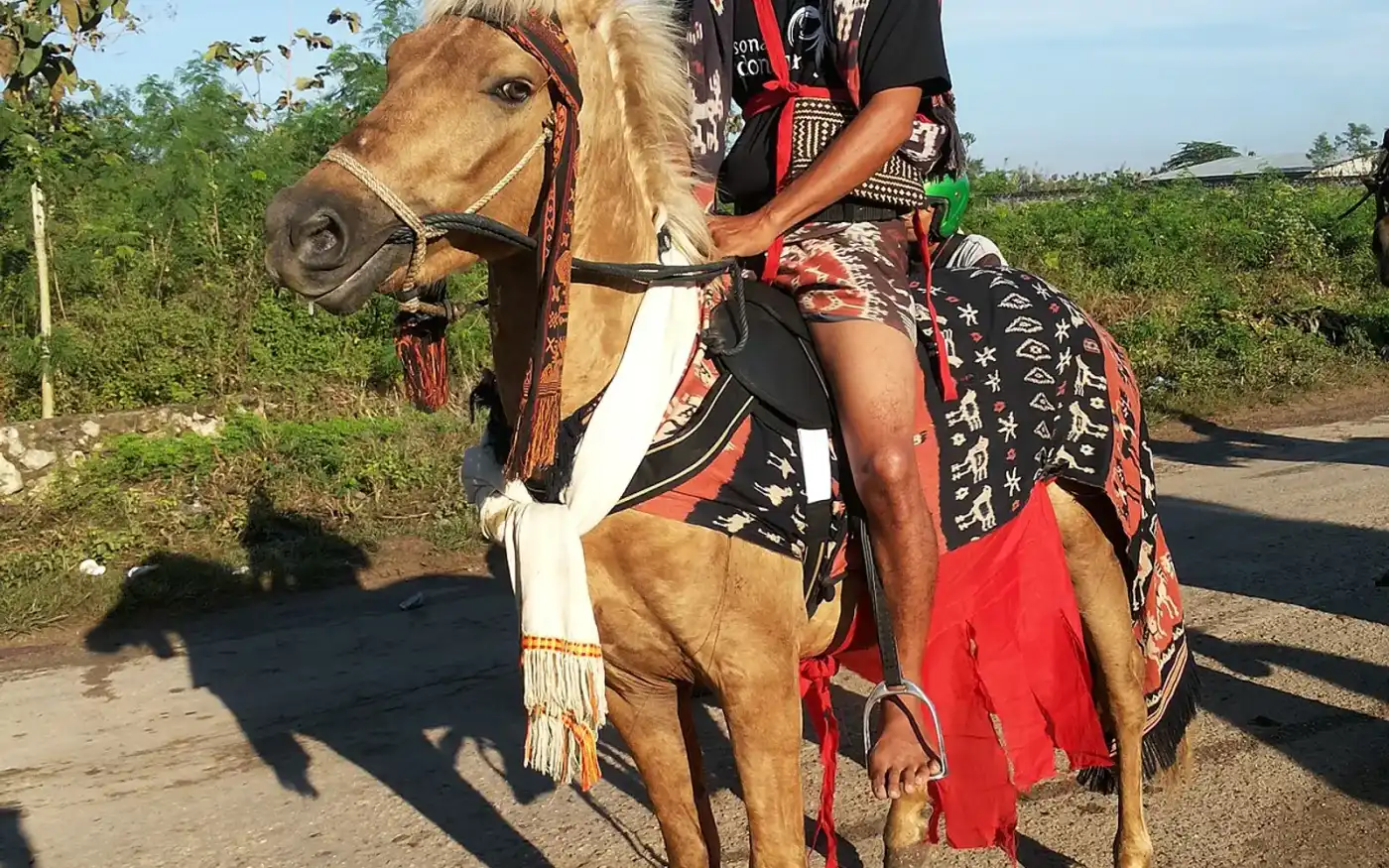
Not a horse race. Not a rodeo. Hus is a centuries-old sacred ceremony where dozens of men ride decorated horses in formation through villages, wearing traditional gear, chanting ancestral prayers, and performing equestrian dances that look like capoeira on horseback. The Rote word 'Mana Saindala' means the ritual ride. Horses are adorned with bells, woven ornaments, and ceremonial cloth. The ceremony honors two ancestral forces — the ruler of the sky and the ruler of the earth — and is deeply sacred to Rote's adat communities. The biggest annual event is Hus Nde'o Festival in Boni village (Rote Barat Laut), usually held around July. Over 200 riders have participated in recent editions. The festival also includes communal feasting, traditional music, and dance. Getting there: 27 km from Ba'a on rough roads. Ask your accommodation about dates — they shift each year. Bring a motorbike and arrive early.
Boni & Lidor villages, Rote Barat Laut
culture
sacred
seasonal
Rote Barat Laut
moderate
full day
July events
dry
/images/adventures/hus-horse-ceremony.webp
Photo: Sumba horse parade (similar tradition) — Wikimedia Commons (CC BY-SA 4.0)
https://commons.wikimedia.org/wiki/File:Penyambutan_bapak_Presiden_dalam_acara_Parade_1001_Kuda_Sandalwood_di_Sumba_Barat_Daya.jpg
Hus Nde'o — Sacred Horse Ceremony, Rote Island
Rote's centuries-old sacred ceremony. 200+ decorated riders, ritual dances, adat traditions. When, where, how to witness it respectfully.
TouristAttraction
Hus is a sacred horse ceremony from Rote Island, Indonesia. Men ride decorated horses in formation through villages during July festivals in Boni and Lidor, Rote Barat Laut.
Hus (Mana Saindala) is a centuries-old sacred horse ceremony of the Rote adat communities in Rote Barat Laut district, Indonesia. The annual Hus Nde'o Festival in Boni village (July) attracts 200+ riders on decorated horses, performing equestrian dances honoring ancestral sky and earth rulers. Includes communal feasting, traditional music, and dance. Location is 27 km from Ba'a on rough roads.
Type: Sacred ceremony, not race
Season: Dry, peaks July
Location: Boni & Lidor villages, Rote Barat Laut
Riders: 200+ per event
Distance: 27km from Ba'a
Pantai Batu Pintu
adventures
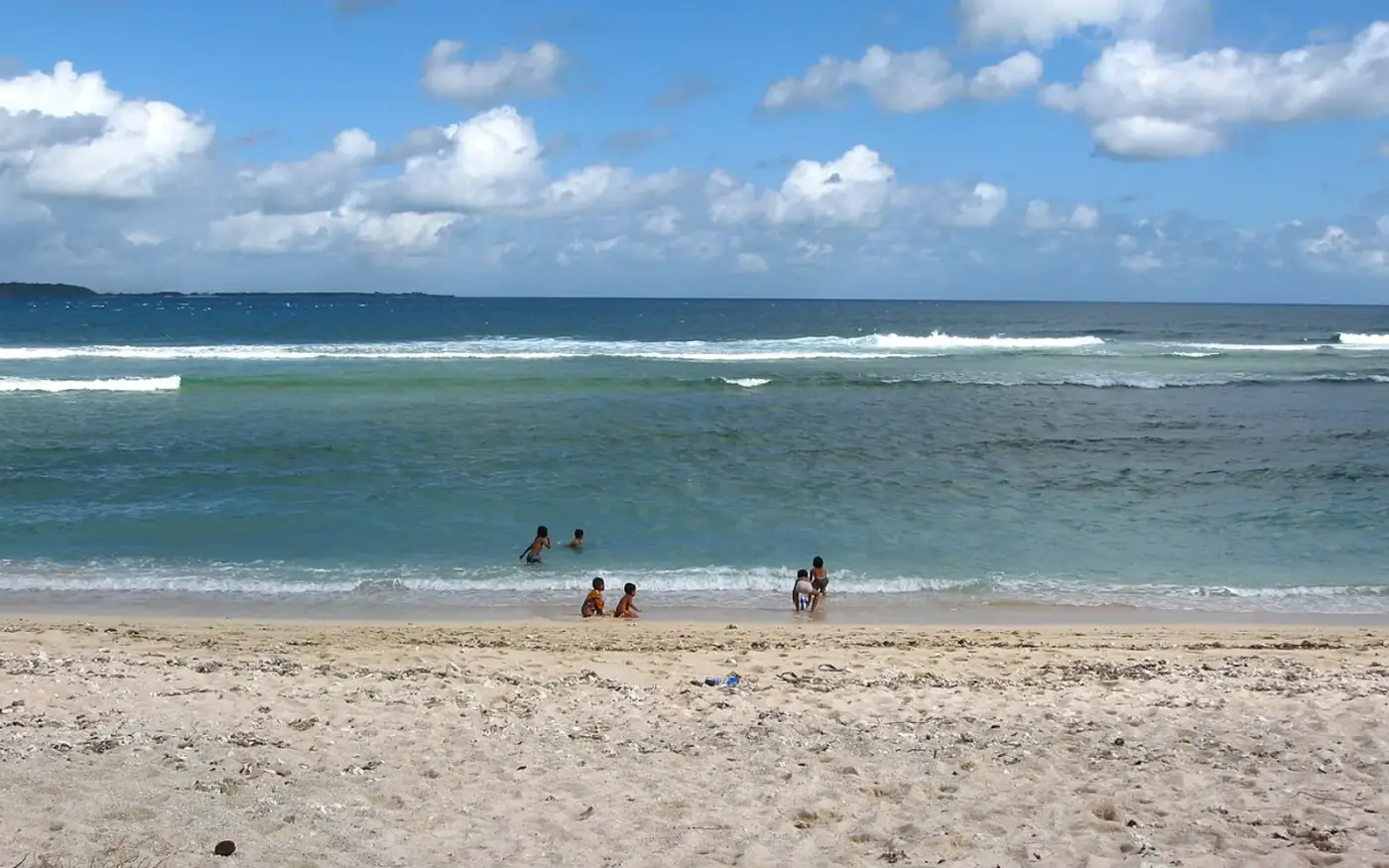
A hidden beach named after its signature feature: a dramatic natural rock arch that forms a doorway in the sea. Turquoise water, soft white sand, volcanic cliffs as backdrop — and almost no one there. No signage, no markers, no warungs. Access via a dirt track near Bo'a village on a motorbike. Best at mid to high tide for swimming; at low tide the rocks are exposed. Bring everything you need — no shade, no food, no facilities. This is raw Rote coastline at its finest. Combine with a surf check at Bo'a peak for a half-day mission.
Truly hidden — soft white sand and pristine blue water. The arched rock entrance is something you don't see everywhere. A unique and striking landscape, ideal for swimming, photography, or simply relaxing.
Bo'a, Rote Barat Daya
water
hidden
beach
Rote Barat Daya
moderate
half day
midday
year-round
/images/adventures/pantai-batu-pintu.webp
Photo: Boa Beach, Rote — Wikimedia Commons (CC BY-SA 3.0)
https://commons.wikimedia.org/wiki/File:Boa_Beach,_Rote_Ndao_Regency,_East_Nusa_Tenggara_-_panoramio.jpg
Pantai Batu Pintu — Hidden Rock Arch Beach, Rote
Dramatic natural sea arch, turquoise water, zero crowds. Access via dirt track near Bo'a. What to bring and when to go.
TouristAttraction
Pantai Batu Pintu is a hidden beach near Bo'a village, Rote Barat Daya, with a natural rock arch over turquoise water. Accessible by motorbike on a dirt track.
Pantai Batu Pintu is a hidden coastal beach near Bo'a village in Rote Barat Daya, Indonesia. Named for its dramatic natural rock arch — a doorway-shaped formation framing the sea. Turquoise water, white sand, volcanic cliffs. No facilities. Access via unmarked dirt track by motorbike. Best at mid to high tide.
Location: Bo'a, Rote Barat Daya
Access: Dirt track by motorbike
Best tide: Mid to high
Duration: Half day
Facilities: None
Pasar Ba'a — Tuesday Market
adventures
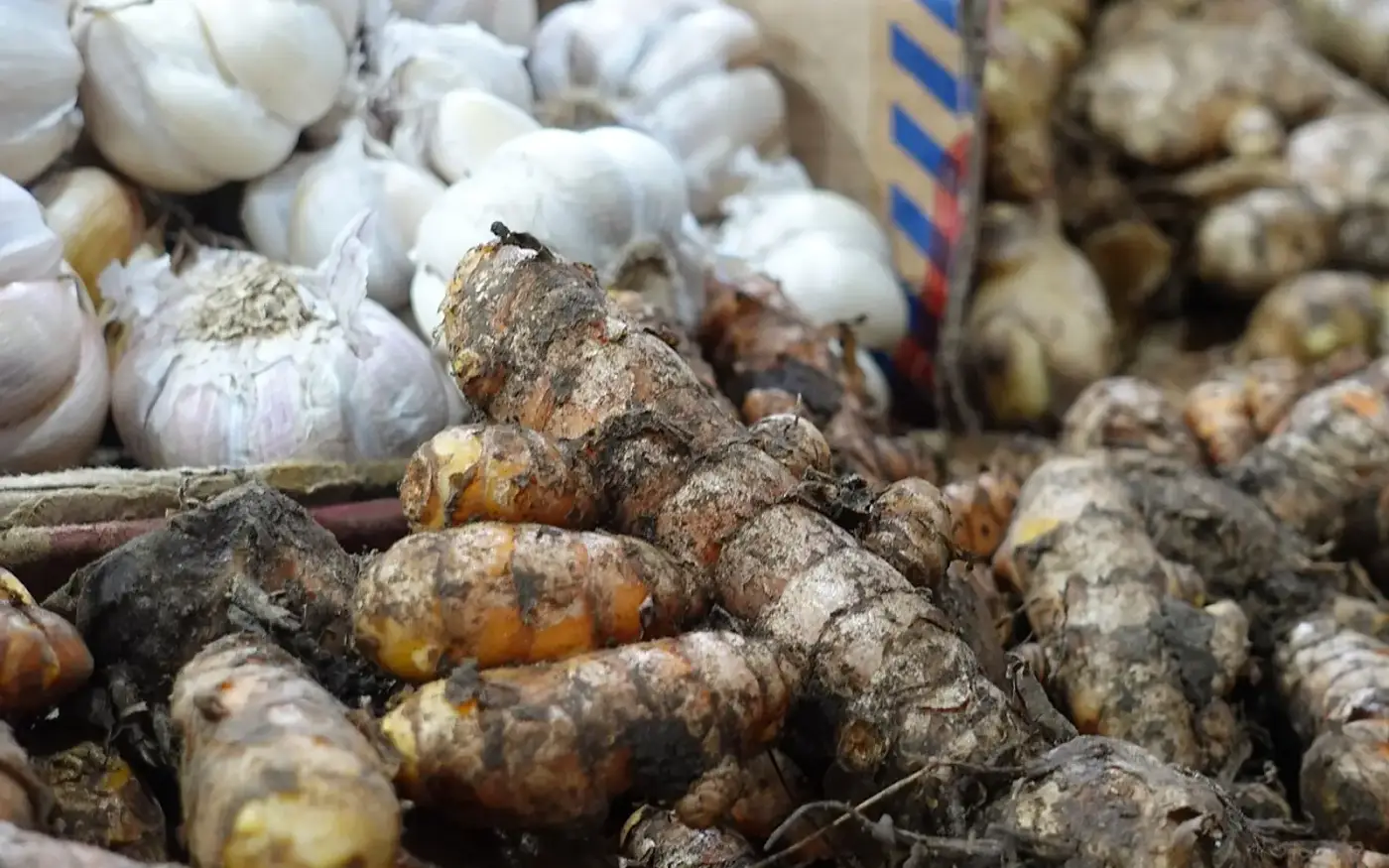
Every Tuesday morning, Ba'a transforms. The weekly pasar opens at 6am and by 7 the aisles are packed: mounds of fresh-caught fish, buckets of live crabs, pyramids of betel nut, bundles of unknown greens, second-hand clothes, hardware, and motorcycle parts. This is where island commerce actually happens — not for tourists, but for the 200,000 people who live on Rote and need to stock up for the week. Prices are half what you'll pay at shops in Nemberala. The fish was swimming that morning. Bring cash (small bills), arrive early, and don't be shy about asking what things are — vendors appreciate the curiosity. The market winds down by 10am. Combine with a trip to Ba'a ferry terminal if you're picking up or dropping off guests. Tip: it's not just Tuesday — Ba'a has a smaller daily market near the harbor, but Tuesday is the main event.
The one chance of getting fresh produce for the week. A 6am start and the market is already buzzing with life. A must visit when on the island.
Ba'a, Rote Ndao
culture
market
weekly
Lobalain
easy
morning (6-10am)
early morning
year-round
/images/adventures/pasar-baa.webp
Photo: Indonesian traditional market — Wikimedia Commons (CC BY-SA 4.0)
https://commons.wikimedia.org/wiki/File:Rempah_tradisional_di_pasar.jpg
Pasar Ba'a Tuesday Market — Rote Island
Weekly fish, produce and goods market in the island capital. Arrive by 7am, bring small bills, get half the prices of Nemberala.
TouristAttraction
Pasar Ba'a is the weekly Tuesday market in Ba'a, the capital of Rote Ndao, Indonesia. Opens at 6am with fresh fish, produce, textiles, and household goods at local prices.
Pasar Ba'a is Rote Island's main weekly market, held every Tuesday in Ba'a town (Lobalain district). Opens 6am, peaks by 7am, winds down by 10am. Fresh fish caught that morning, betel nut, seasonal produce, second-hand clothes, hardware. Prices about half those of Nemberala shops. Cash only, small bills preferred.
Day: Every Tuesday
Hours: 6am-10am
Location: Ba'a, Lobalain
Payment: Cash, small bills
Best time: 7am
Telaga Nirwana
adventures
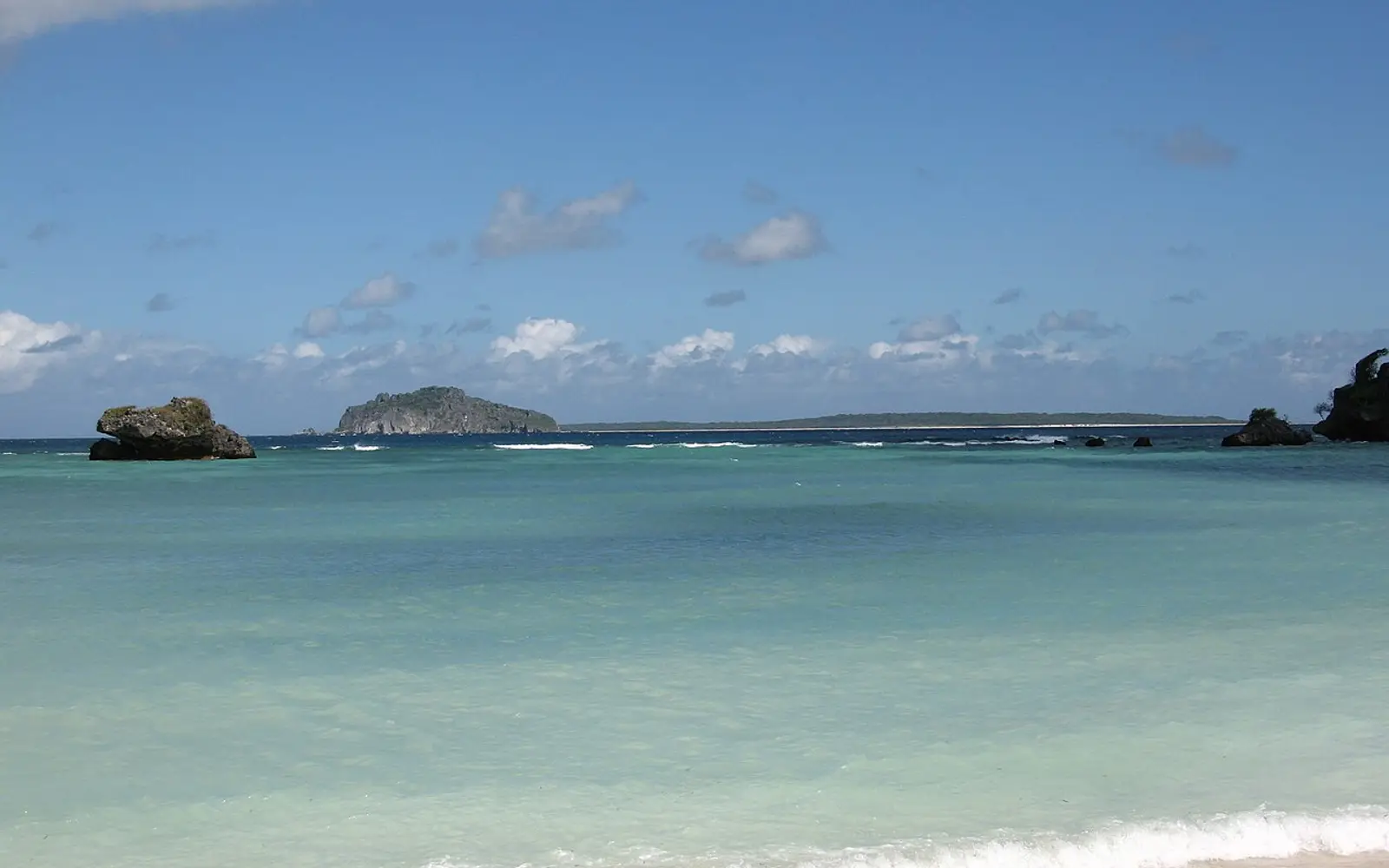
A turquoise lagoon hidden behind Oeseli village, connected to the open sea by a narrow channel. The water shifts from deep emerald to bright turquoise depending on the light — afternoon is when it glows. Colorful starfish dot the shallows. Kayak across from Oeseli Beach (50,000 IDR per person, half day) or grab a boat for 100-150k total — five minutes and you're inside. Go at high tide; at low tide the channel is too shallow and you'll wade through sea urchins. Bring water shoes and snorkeling gear. Weekday visits often mean you have the entire lagoon to yourself. Ask your accommodation to arrange a trusted boat — skip the blue-sign hut on Oeseli Beach, it's a known scam operation.
A serene and picturesque freshwater lake with calm, turquoise waters and peaceful ambiance. One of Rote's most photographed natural wonders.
Oeseli, Rote Barat Daya
water
hidden
nature
Rote Barat Daya
moderate
half day
afternoon
year-round
/images/adventures/telaga-nirwana.webp
Photo: Oeseli coast — Wikimedia Commons (CC BY-SA 3.0)
https://commons.wikimedia.org/wiki/File:Oeseli_Beach,_Rote_Ndao_Regency,_East_Nusa_Tenggara_-_panoramio_(1).jpg
Telaga Nirwana — Turquoise Lagoon, Rote Island
Hidden lagoon behind Oeseli. Kayak or boat across at high tide. How to avoid the scam hut, when to go, what to bring.
TouristAttraction
Telaga Nirwana is a turquoise lagoon near Oeseli in Rote Barat Daya. Access by kayak or boat from Oeseli Beach — go at high tide, afternoon for best light.
Telaga Nirwana is a turquoise tidal lagoon hidden behind Oeseli village in Rote Barat Daya, Indonesia. A narrow channel connects it to the open sea. Best reached by boat (100-150k IDR) or kayak (50k IDR/person) at high tide. Afternoon light makes the water glow turquoise. Weekdays are quiet; book through accommodation to avoid the scam boat hut.
Location: Oeseli, Rote Barat Daya
Access: Kayak 50k IDR/person or boat 100-150k total
Best time: Afternoon, high tide
Duration: Half day
Bring: Water shoes, snorkel, cash
Danofulak Hill
adventures
A panoramic hilltop near Suelain village offering 360-degree views across Rote's interior — golden savannah, distant coastline, scattered villages, and lontar palms in every direction. The real draw is sunset: the whole western sky opens up from the summit with nothing blocking the view. Easy walk to the top from where you park. No entrance fee, no facilities, no crowds. The road is unmarked — ask locals in Suelain for directions. Best visited late afternoon for golden hour. The surrounding area is rural Rote at its most authentic — grassland, palm thatch fences, and zero tourist infrastructure. Bring a scooter and a camera.
Perfect for sunset — family picnics too. Very natural scenery. One of the best views on the island.
Suelain, Lobalain
viewpoint
sunset
nature
Lobalain
easy
1-2h
sunset
year-round
/images/adventures/danofulak-hill.webp
Photo: Savanna Sumba — Wikimedia Commons (CC BY-SA 4.0)
https://commons.wikimedia.org/wiki/File:Savana_Humba.jpg
Danofulak Hill — Sunset Viewpoint, Rote Island
360-degree sunset views over Rote savannah. Free, unmarked, easy walk from Suelain village. When to go and how to find it.
TouristAttraction
Danofulak Hill is a free sunset viewpoint near Suelain village in Lobalain district, Rote Island. 360-degree views over savannah and coast. Easy walk from the parking spot.
Danofulak Hill is a panoramic sunset viewpoint near Suelain village in Lobalain district, Rote Island. Free to visit, easy hike, unmarked road — ask locals for directions. Late-afternoon golden hour is the reason to come. Surrounded by authentic rural Rote: savannah, lontar palms, thatch fences.
Location: Suelain, Lobalain
Cost: Free
Duration: 1-2 hours
Best time: Sunset
Facilities: None
Rote Horses & Village Rides
adventures
Horses are woven into daily life on Rote. You'll see them everywhere — pulling carts along the coast road, grazing under lontar palms, carrying goods to market. The local breed is small, tough, and perfectly adapted to Rote's dry savannah. Several villages around Nemberala and Ba'a offer informal horseback rides — through coconut groves, along dirt tracks, sometimes down to the beach at low tide. No formal operator, no booking app. Ask at your homestay or resort and they'll connect you with a local who'll take you out for 100-200k IDR per hour. Best in the early morning when it's cool and the light is golden. If you're here for Hus season (July), you'll see hundreds of decorated horses in full ceremonial gear — that's the time to ride alongside the tradition.
Various villages — ask locally
culture
experience
local
Rote Barat Daya
easy
1-2h
morning
year-round
/images/adventures/rote-horses.webp
Photo: Horse riding in Sumba (same breed) — Wikimedia Commons (CC BY-SA 4.0)
https://commons.wikimedia.org/wiki/File:Horse_riding_in_Sumba,_Indonesia.jpg
Rote Horses & Village Rides — Rote Island
Informal horseback rides through coconut groves and beaches. 100-200k IDR/hour. How to arrange one through your homestay.
Place
Rote Horses are a small, tough local breed adapted to the island's savannah. Informal horseback rides arranged through homestays cost 100-200k IDR per hour.
The Rote horse is a small, hardy native breed adapted to the island's dry savannah and woven into daily village life. Informal horseback rides through coconut groves, dirt tracks, and low-tide beaches can be arranged via homestays and resorts near Nemberala and Ba'a for 100-200k IDR per hour. Peak season is July during Hus horse ceremony.
Breed: Native Rote, small and tough
Cost: 100-200k IDR/hour
Booking: Via homestay, no formal operator
Best time: Early morning
Peak: July (Hus festival)
Sasando — The Sound of Rote
adventures
**What is the sasando instrument?**
The sasando is a traditional string instrument native to Rote Island in Indonesia, often described as a harp or zither. Originating as early as the 7th century, its name comes from the Rote word 'sasandu,' meaning 'vibrating.' It represents a deep cultural legacy for the Rote people.
**How is a sasando made?**
Crafted from local materials, the sasando features a central bamboo tube. Wooden wedges, called *senda*, are used to stretch the strings. The instrument's unique sound is amplified by a fan-shaped resonator, known as *haik*, made from dried lontar palm leaves. Sasando variants include the ceremonial, 28-string *sasando gong* and the modern, often amplified, 56-string *sasando biola*.
**How is it played, and what does it sound like?**
Musicians play the sasando by reaching their hands through the lontar fan and plucking the strings from behind. This technique produces bell-like, resonant tones that are complex and distinct, evoking sounds reminiscent of a harp, kora, or zither while maintaining its unique Rotean character.
**Why is the sasando important in Indonesia?**
Beyond Rote Island, the sasando is a national icon. It is featured on Indonesia's 5,000-rupiah banknote and was notably performed by Arnoldus Edon at the 1992 Barcelona Olympics. The instrument is recognized as part of Indonesia's Intangible Cultural Heritage.
**Is the future of the sasando at risk?**
Yes, the sasando faces preservation challenges. Fewer young people are learning the intricate craft of building and playing it, and many master craftsmen are aging, risking the loss of traditional knowledge and performance techniques.
**Where can I hear a sasando on Rote Island?**
To experience the sasando live, visit Rote during harvest festivals (like Pasola), ceremonial gatherings, or Indonesia's Independence Day celebrations on August 17th. You can also inquire at resorts near Nemberala or ask local artisans in larger towns like Ba'a.
Island-wide — ask locally for village performances
culture
music
craft
Island-wide
easy
1h
evening
year-round
/images/adventures/sasando.webp
Photo: Alat Musik Sasando — Wikimedia Commons (CC BY-SA 4.0)
https://commons.wikimedia.org/wiki/File:Alat_Musik_Sasando.jpg
Sasando — Rote Island Traditional Instrument
Harp-like palm-leaf instrument, 7th-century origins, featured on Indonesia's 5,000-rupiah note. Where to hear it, how it's made.
TouristAttraction
Sasando is a harp-like traditional instrument from Rote Island, Indonesia. Made from bamboo, wood, and lontar palm leaves, it has 28 or 56 strings and dates to the 7th century.
The sasando is a traditional string instrument unique to Rote Island, Indonesia. Dating to the 7th century, it combines a bamboo tube, wooden wedges, and a dried lontar palm-leaf resonator. 28 or 56 strings produce a sound between harp and kora. Featured on the Indonesian 5,000-rupiah banknote. Heard at village ceremonies, Independence Day events, and select Nemberala resorts.
Origin: 7th century
Material: Bamboo, wood, lontar palm
Strings: 28 or 56
Currency feature: IDR 5,000 banknote
Hear it: Ceremonies, Independence Day, some resorts
Southernmost Point of Asia
adventures
The southernmost point of the entire Asian continent — and of Indonesia. Nothing but open ocean between here and Antarctica. A small concrete slab marks the spot. There's a lighthouse with rotten stairs (don't try climbing it). No swimmable beach, no facilities, no entrance fee. The road to get here is rough — motorbike only, and even then it's a commitment. But that's the point. Standing at the edge of a continent, wind howling, waves crashing against volcanic rock, knowing there's nothing south until the ice — that hits different. Go early, combine with Telaga Nirwana (same area). Bring water and a sense of scale.
Hard to reach, and when you get here, there is very little. Still, the southernmost point it is! I left my mark at the south-east peak of Asia.
Oeseli, Rote Barat Daya
viewpoint
remote
milestone
Rote Barat Daya
hard
half day
morning
year-round
/images/adventures/southernmost-point-asia.webp
Photo: Oeseli coast — Wikimedia Commons (CC BY-SA 3.0)
https://commons.wikimedia.org/wiki/File:Oeseli_Beach,_Rote_Ndao_Regency,_East_Nusa_Tenggara_-_panoramio_(3).jpg
Southernmost Point of Asia — Rote Island, Indonesia
The edge of a continent. Rough road, no facilities, volcanic cliffs. How to get there, what to bring, why it's worth it.
TouristAttraction
The southernmost point of Asia is on Rote Island, Indonesia, in Oeseli village. Accessible by motorbike on rough roads. No facilities, no entrance fee.
The southernmost point of Asia is a remote coastal marker in Oeseli village, Rote Barat Daya, Indonesia. A concrete slab and defunct lighthouse mark the spot where the Asian continent ends and open ocean extends to Antarctica. Access requires a motorbike and tolerance for rough roads. Best paired with nearby Telaga Nirwana.
Southernmost point of both Asia and Indonesia
Location: Oeseli, Rote Barat Daya
Access: Motorbike on rough roads
Facilities: None
Best combined with: Telaga Nirwana
Village Life — Weaving, Architecture & Daily Rote
adventures
Beyond the resorts and the breaks, Rote runs on village time. Traditional houses with thatched lontar roofs, open-air kitchens, and woven palm walls. Women weaving ikat textiles on backstrap looms under the shade of ancient trees. Kids riding buffalo carts to school. Old men chewing betel nut on the church steps. There's no ticket, no tour, no designated 'cultural village' — this is just how people live. The best approach: rent a scooter, head inland from Nemberala, and stop wherever looks interesting. The villages around Oetutulu, Boni, and Suelain are particularly welcoming. Bring small gifts if you're invited into a home — coffee, sugar, or cigarettes go a long way. Ask before photographing people. And learn one word of Rote language: 'Helu' means hello. You'll get smiles.
Inland villages — Oetutulu, Boni, Suelain
culture
immersive
authentic
Rote Barat Laut
easy
half day
morning or afternoon
year-round
/images/adventures/village-life-rote.webp
Photo: Children perform the 'Dance of 40', Rote Island — Wikimedia Commons (Public Domain, US Navy)
https://commons.wikimedia.org/wiki/File:Children_from_the_SMP_Negeri_Primary_School_on_Rote_Island_perform_the_%E2%80%9CDance_of_40%E2%80%9D.jpg
Village Life on Rote — Weaving, Architecture, Culture
Lontar roofs, ikat weaving, betel-chewing elders. Inland villages of Rote, how to visit respectfully, what to bring.
TouristAttraction
Village life on Rote Island centers on inland kampungs like Oetutulu, Boni, and Suelain. Traditional lontar-thatch houses, ikat weaving, and daily rhythms unchanged for generations.
Village life on Rote Island is best experienced in inland villages such as Oetutulu, Boni, and Suelain. Traditional architecture features lontar-palm thatch roofs, woven palm walls, and open-air kitchens. Women practice ikat textile weaving on backstrap looms. Visitors should ask before photographing people and can bring small gifts (coffee, sugar, cigarettes) if invited into homes. 'Helu' means hello in Rote language.
Key villages: Oetutulu, Boni, Suelain
Architecture: Lontar thatch roofs, woven palm walls
Craft: Ikat weaving on backstrap looms
Etiquette: Ask before photos, 'Helu' = hello
Gifts: Coffee, sugar, cigarettes
 Editor's pick
  Editor's pick
  Editor's pick
  Editor's pick