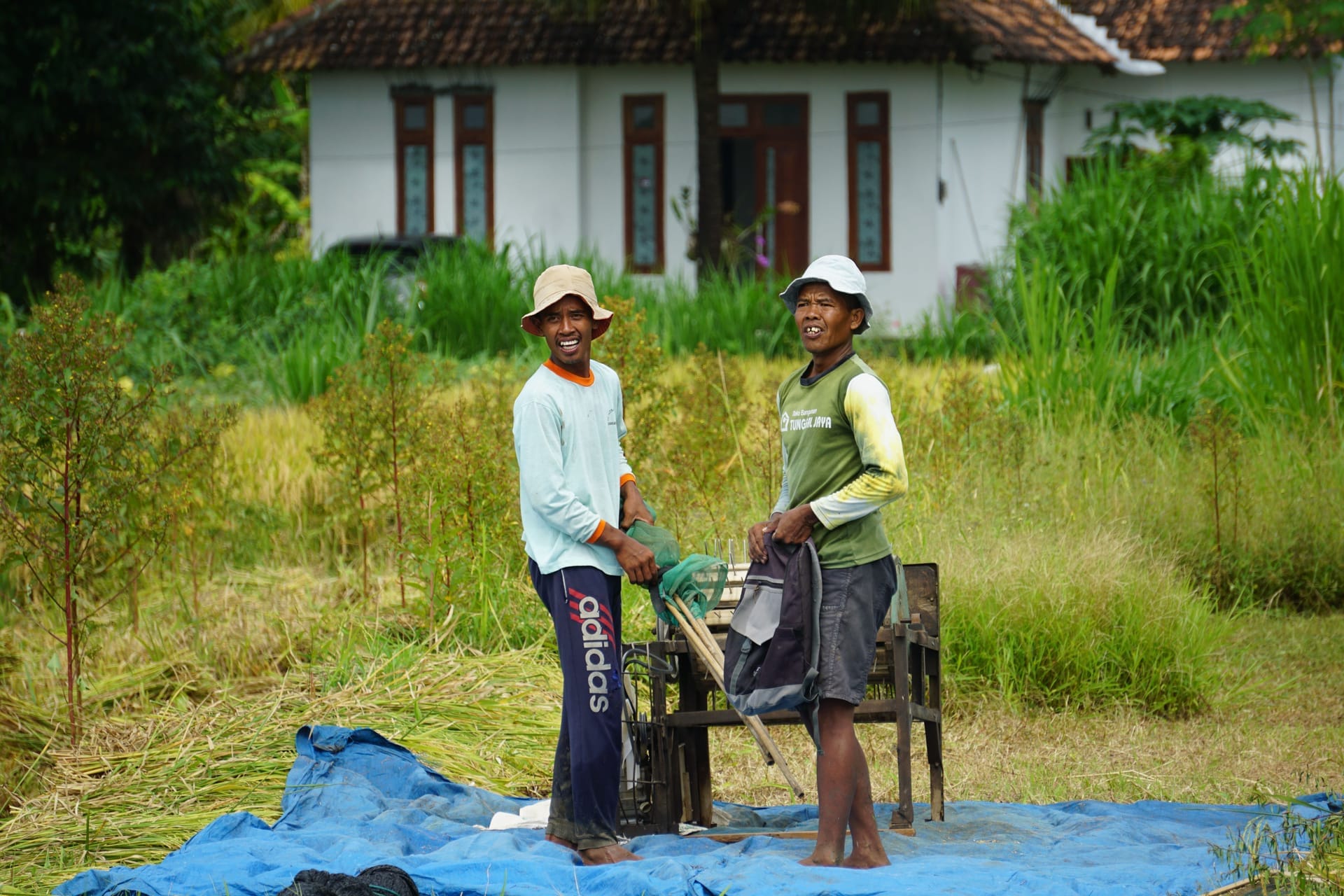
Everyone quotes the same two numbers about Rote. The cost of living on Rote Island already makes a warung plate and a cold beer sound trivially cheap. Those figures make the place sound like a permanent bargain. Cooking for yourself for six months tells a slower story. Food prices in Indonesia stay low for anything grown or landed close by, and they climb steeply for anything that has to travel. On an outer island the gap splits into three tiers: what Rote grows and catches, what the shops stock after it crosses the water, and what only Kupang or Bali sells. This page prices each tier and shows what it does to your monthly food line.
The Three Price Tiers of an Outer Island
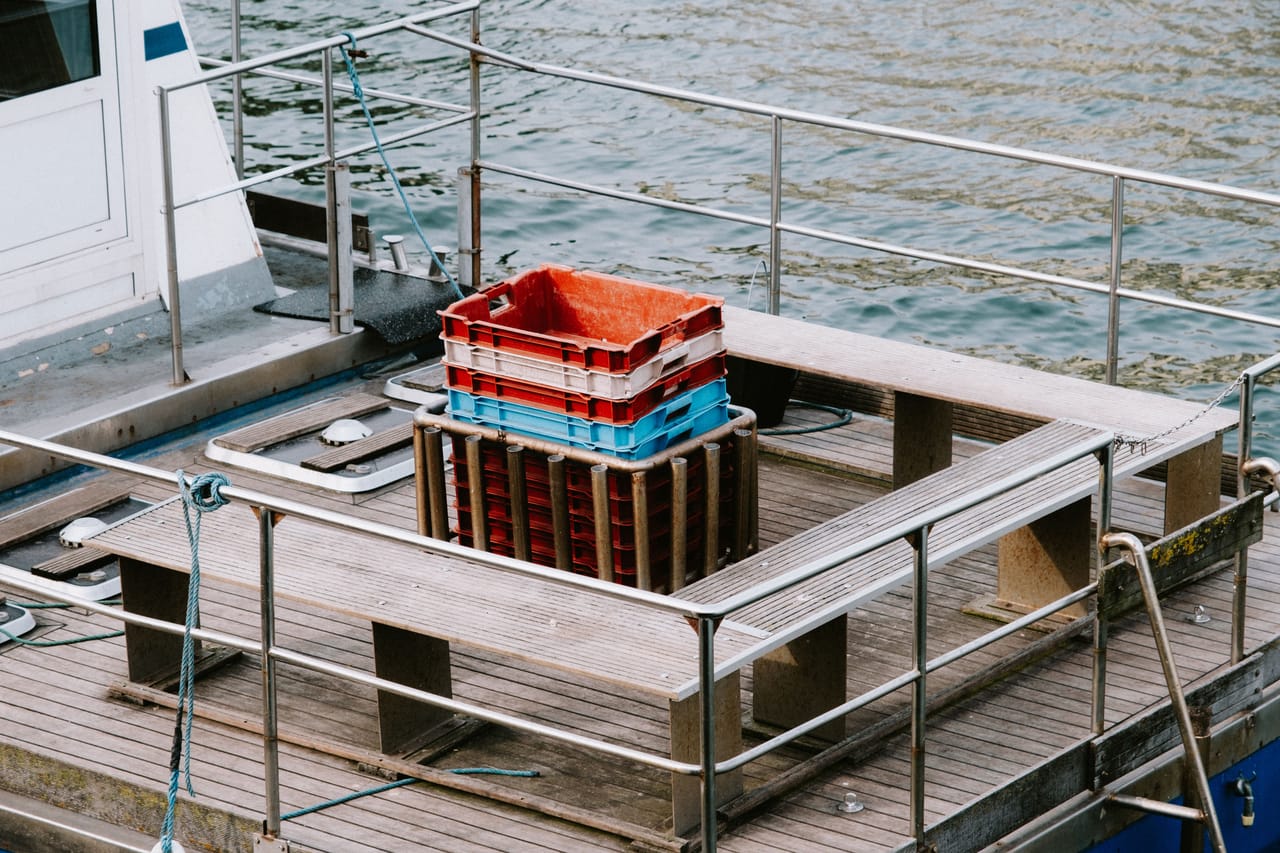
Most guides to grocery prices in Indonesia know two numbers, the local market and the supermarket. Rote has three, and the reason is geography. The island covers about 1,227 square kilometres and rises to only 320 metres, a low island off the main routes through East Nusa Tenggara 123. Everything the island cannot grow arrives by boat.
That boat is where the price structure comes from. Work on the economics of islands puts transport costs on some islands at just over 300 percent above mainland benchmarks 4. So the first tier is whatever the island produces. The second is national-brand goods that crossed the water and picked up a markup on the way. The third is the imported shelf, the tier where the price of food stops making sense, or where the item simply is not there. Global commodity prices set the ceiling on that top tier long before the ferry does its part 5.
The Cheap Tier Is Whatever Grows or Swims Here

Start with the basket that never leaves the island. Rice, eggs, chicken, local greens, chili, shallots, fish off the morning boats. National price monitoring for late September 2026 put medium rice at about 14,000 IDR a kilo and premium rice near 15,700. Eggs sat near 27,000 IDR a kilo and farmed chicken around 40,000. Cooking oil landed near 22,500 IDR a litre and sugar near 18,300 a kilo 6. Fill a week on that list and a single person’s staple spend stays small, which is the honest half of the “Indonesia is cheap” headline.
Two things bend it. The first is seasonality. Chili and aromatics swing hard, with national bird’s-eye chili at about 74,000 IDR a kilo in the same reading 6. Food lost or wasted before it reaches a plate is a large share of what Indonesia produces 7. The second is who is asking. Turn up as an obvious newcomer and you meet the foreigner price in Indonesia at the stall before you learn the real one. The weekly rhythm of the Pasar Ba’a market is where you calibrate both, and where the cheap tier actually lives.
What Turns Absurd Once It Crosses the Water

The middle and top tiers are the same trip seen from two ends. National brands, decent coffee, cheese, wine, anything imported, either carry a markup that grows with the distance or force the run to Kupang yourself. That run is a real cost line, and it is worth costing.
A restock trip is a ferry seat, a night on the mainland, a supermarket bill, and a cool box carried back. The ferry Kupang to Rote is the anchor, and by the time you have booked one of the hotels in Kupang for the night and driven to the supermarket, the food you carry home has absorbed all of that before you cook a thing. Add the petrol price in Indonesia for the driving and the ice, and the “absurd” tier is less about the shelf sticker and more about the logistics stacked on top of it. This is the insularity premium in plain terms, the higher transport and living costs that island economies carry against the mainland 4.
Imported dairy shows the ceiling clearly. Cheese is priced on international markets that move on their own schedule, with the global food commodity index at 133.3 points in August 2026, before a single wheel of it reaches a boat to Rote 5. Whatever the world charges, you pay that plus the crossing. This is also where a comparison with the Bali cost of living stops flattering Rote, because Bali has the supermarket and the import channel that a small island does not.
What’s Simply Missing from the Shelf
Competitors price cheese and wine as expensive. On a remote island the honest answer for many Western staples is that they are not sold at all, and the cost is the trip, not the sticker. Good coffee beans, particular baking supplies, some spices, reliable cheese and a bottle of wine are not marked up on Rote so much as absent. The item you want becomes a line on your Kupang list or a favour asked of someone flying in.
That reframes the whole budget. The price of food you cannot buy locally is a planning problem, not a shopping one. You keep a running Kupang list, you build meals around what the island reliably has, and you accept that a Western kitchen on Rote is a supply chain you run yourself. Long-stayers who thrive here cook closer to how the island cooks, which keeps them in the cheap tier most weeks and turns the mainland run into an occasional top-up rather than a lifeline.
So What Does a Month of Groceries Actually Cost?
Cook like the island and one person’s grocery bill stays modest, built on the cheap staples and whatever is in season at the market that week. Move to a mixed kitchen, half local and half imported, and the total climbs as the second tier and the Kupang runs enter the maths. Insist on a full Western pantry and you are effectively paying the import premium on most of the basket, which island economics put well above any mainland benchmark 4.
The useful way to hold it is as a range set by cooking style rather than a single figure, because that is what a retiree or a remote worker plugs into a monthly plan. The lower you sit in the local tier, the closer your food line stays to the national grocery prices in Indonesia. The more the shopping list looks like the one you had back home, the more of it arrives by ferry, and the food budget on Rote is decided long before you reach the till.
Common mistakes long-stayers make with the food budget
Budgeting off the warung plate is the first one. The meal price is real, and the cost of eating out in Indonesia is genuinely low, but it hides how the imported half of a home kitchen behaves once you cook for months. The second mistake is treating fresh produce as a fixed price when it moves with the season. The third is under-costing the Kupang run, counting the supermarket bill while forgetting the ferry seat and the hotel night that carried it home. The last is assuming a supermarket will eventually appear on Rote at the scale that would drop prices.
FAQ
Is food really cheap in Indonesia? For staples, yes. Late-September 2026 national price monitoring put rice, eggs and farmed chicken among the reliably cheap items on the list 6. The catch on an island is that anything imported carries a transport premium that can run far above mainland levels 4.
What food is hard to find on Rote? Reliable cheese, wine, good coffee beans, certain spices and baking supplies tend to be absent rather than merely pricey. Most of these become items on a Kupang list.
How much should I budget for groceries? Think in ranges by cooking style. Cook like the island and the bill stays low. Add imported goods and Kupang runs and the total rises with the share of the basket that arrives by ferry.
Why is imported food so expensive on an island? Two costs stack. International markets set the base price, with the global food index at 133.3 points in August 2026 5, and then the crossing adds the island premium on top, part of the higher transport and living costs that small island economies carry 4.
Want the food line slotted into the full monthly picture? The cost of living on Rote Island holds the rest of the budget, and if you would rather not run the Kupang supply chain yourself, that is exactly the kind of logistics a concierge on the island can carry for you.
Sources
Footnotes
-
Rote Island — dati (Wikidata). wikidata.org ↩
-
Rote Island — Wikipedia. en.wikipedia.org ↩
-
Rote — Wikivoyage. en.wikivoyage.org ↩
-
Estimating the cost of insularity: Policy Pathways Beyond … oecd.org ↩ ↩2 ↩3 ↩4 ↩5
-
SP2KP Kemendag - Kementerian Perdagangan. sp2kp.kemendag.go.id ↩ ↩2 ↩3
-
We cannot manage the missing food that we cannot measure. fao.org ↩