
Our household month on Rote lands at about 11.85 million rupiah, roughly $650, and that is the real figure we pay. We tallied it from our own account, so it reflects what we actually spend. Cost-index averages will hand you a different number. A monthly budget in Indonesia reads very differently once you are this far out into East Nusa Tenggara, on an island of about 1,227 square kilometres 1 where every restocking run crosses open water and the fuel pump sometimes sits dry. We have rented here, cooked here, kept a scooter running and crossed to Kupang and back since early 2026, so the numbers below came straight out of our own account. Before you hold them up against anything, it helps to know the cost of living on Rote Island and why a remote island does not automatically mean a cheap one. Distance shapes almost every bill on this page.
The Whole Month on One Table
Here is the full month for three households living on the same island, each paying its own way through 2026. All figures use the rate of 1,000 IDR to about $0.055 as of late July 2026 2.
| Budget line | Remote worker, solo | Retired couple | Long-stayer, dry-season month |
|---|---|---|---|
| Rent | 3,500,000 ($193) | 6,000,000 ($330) | 4,500,000 ($248) |
| Food at home | 1,500,000 ($83) | 3,000,000 ($165) | 2,000,000 ($110) |
| Eating out | 1,000,000 ($55) | 1,800,000 ($99) | 1,800,000 ($99) |
| Power, water, gas | 700,000 ($39) | 1,200,000 ($66) | 900,000 ($50) |
| Connectivity | 700,000 ($39) | 800,000 ($44) | 800,000 ($44) |
| Fuel & scooter | 1,750,000 ($96) | 2,000,000 ($110) | 1,800,000 ($99) |
| Domestic help | 0 | 1,500,000 ($83) | 800,000 ($44) |
| Ferry & Kupang runs | 700,000 ($39) | 1,200,000 ($66) | 1,500,000 ($83) |
| Cash buffer / stockpile | 500,000 ($28) | 800,000 ($44) | 1,000,000 ($55) |
| Setup & annual lines, amortised | 900,000 ($50) | 1,800,000 ($99) | 1,500,000 ($83) |
| Misc | 600,000 ($33) | 1,200,000 ($66) | 1,500,000 ($83) |
| Monthly total | 11,850,000 ($652) | 21,300,000 ($1,172) | 18,100,000 ($996) |
A realistic monthly budget on Rote runs from about 11.85 million rupiah, near $650, for one person living locally, up to roughly 21.3 million rupiah, near $1,170, for a retired couple with a house and part-time help. Rent and the Kupang logistics decide most of the gap between the two.
The “$559 a month” figure on our homepage matches the barebones version of that solo column, someone renting a simple room, owning a scooter outright and skipping a private Starlink line. Add a rented scooter at around $5 a day and your own connectivity, and the same solo month climbs toward $650, which is where our own household actually sits.
Rent, the Line That Moves Everything Else
Rent is the one figure that pushes every profile up or down. Our solo column assumes a plain furnished house or a large room near the coast; the couple’s figure buys a full house with a bit of land and a kitchen worth cooking in. Accommodation is the single biggest swing on the island, far more than food or transport, which stay fairly flat across households 3.
Two things surprise people here. Landlords often want several months up front rather than monthly, so the “monthly” rent is really an annual deal divided by twelve. A short high-season let also costs more per month than a long lease, which is why the long-stayer column shows higher rent than the couple even for a smaller place. Budget accommodation on Rote leans toward homestays and simple houses, while ocean-view builds sit in a different bracket entirely 3. Decide the length of your stay before you decide anything else, because it changes the price of the same four walls.
What a Week of Groceries Actually Costs
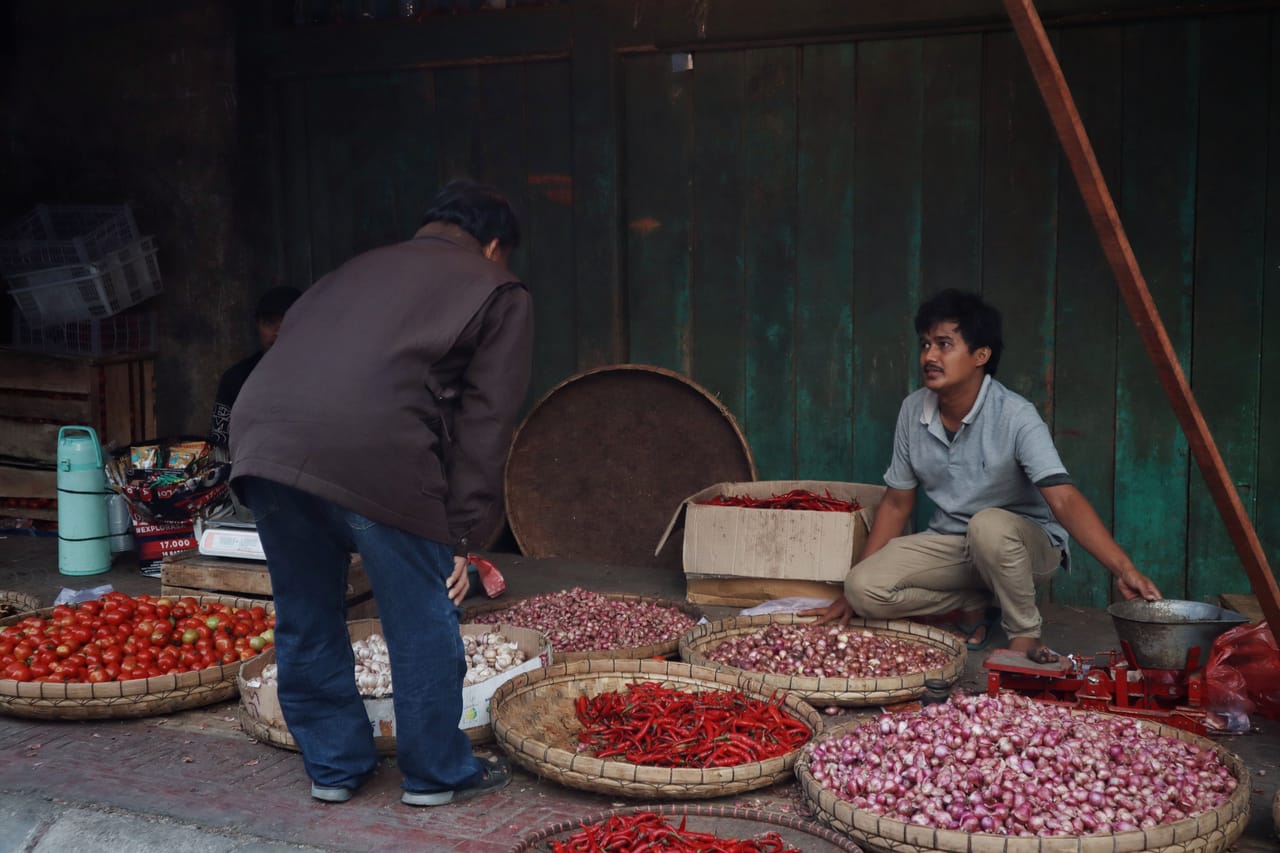
Where you shop matters more than what you buy. The cheapest week runs through Pasar Ba’a on a Tuesday morning, open only from 06:00 to 10:00, with prices that beat anything near Nembrala 4. Pasar Metina in Ba’a is the one market open every day 4, and Smart Minimarket in Ba’a covers packaged daily necessities when the markets are shut 4.
Fresh seafood and rice-based meals stay genuinely cheap, and a plate at a local warung costs around $3. Imported and packaged goods are the trap. Anything that arrives by boat, from coffee brands to cheese, sits at or slightly above what you would pay in Bali or Lombok, because remote does not mean cheaper for food and everyday transport 3. The solo grocery line of 1.5 million rupiah a month assumes you cook local most nights and treat imported items as occasional. The couple’s 3 million reflects two people, more variety and the odd splurge on something shipped in from Kupang.
Getting Around: Scooter, Fuel and the Ferry
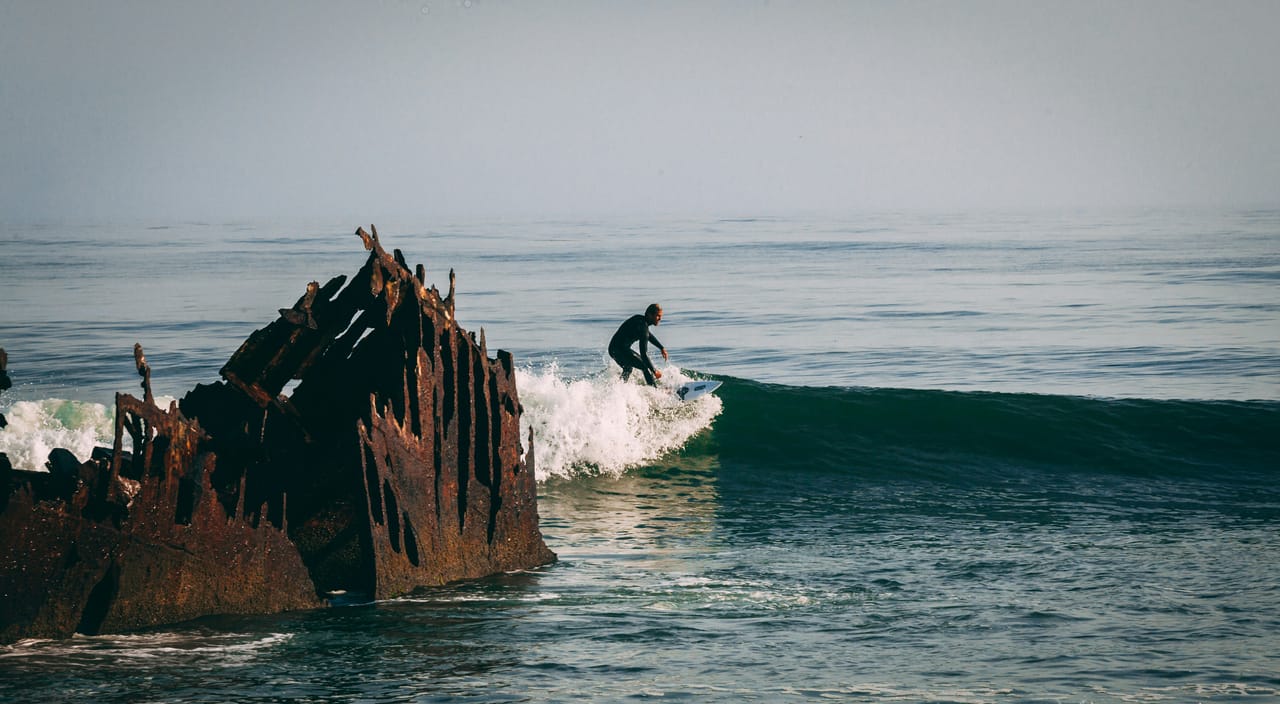
A scooter is not optional, and it rents for about $5 a day if you do not own one. Fuel is light. A month of normal island riding burns roughly 20 to 25 litres, around 250,000 rupiah, up to 300,000 in a busy month, which is the kind of detail the petrol price on Rote makes concrete once you are pumping from bottles on the days the station runs dry.
The ferry is the line no mainland budget has. The Bahari Express fast ferry from Kupang costs 174,000 rupiah in economy, about $10, and takes two to three hours 4. The slow ferry from Port Bolok is cheaper and longer 4. We usually pay for a higher class and cross around 650,000 rupiah, so the “ferry” cost swings with how you travel and how much you carry. Landing at Ba’a, a private taxi to Nembrala runs 400,000 rupiah, or 150,000 to 200,000 if you share one arranged through your accommodation 4. Multiply that by every supply run, guest pickup and Kupang appointment, and the Kupang logistics line earns its place.
Power, Water and Staying Online
Utilities behave nothing like a city grid. Power leans on generators and metered top-ups, water is pumped rather than piped from a municipal main, and cooking runs on refillable gas bottles. The 700,000 rupiah solo figure folds all three into one row here, and the mechanics of the electricity cost on Rote are their own subject, which explains why the number moves with a fridge, an air-conditioner or a run of cloudy days.
Connectivity is the line remote workers care about most. A shared Starlink line is what makes working from the island realistic, and we budget around 700,000 to 800,000 rupiah a month for a household’s share of it. That single line is the difference between Rote as a holiday and Rote as a place you earn a living.
Domestic Help, and Who Actually Needs It
For a solo remote worker, usually not; for a retired couple or a long-stayer running a house with a garden, yes. Budget 800,000 rupiah a month for part-time help and around 1.5 million for something closer to regular, and treat it as a way to buy back time.
This is where island reality parts ways with the Jakarta stereotype of a live-in driver and maid. On Rote it is a modest, optional line, more common among people staying long enough for a house and garden to become work. How you structure it, hours, pay and expectations, sits inside hiring domestic staff in Indonesia, and it stays a choice. The solo column carries a zero here on purpose.
The Island Lines No Calculator Includes
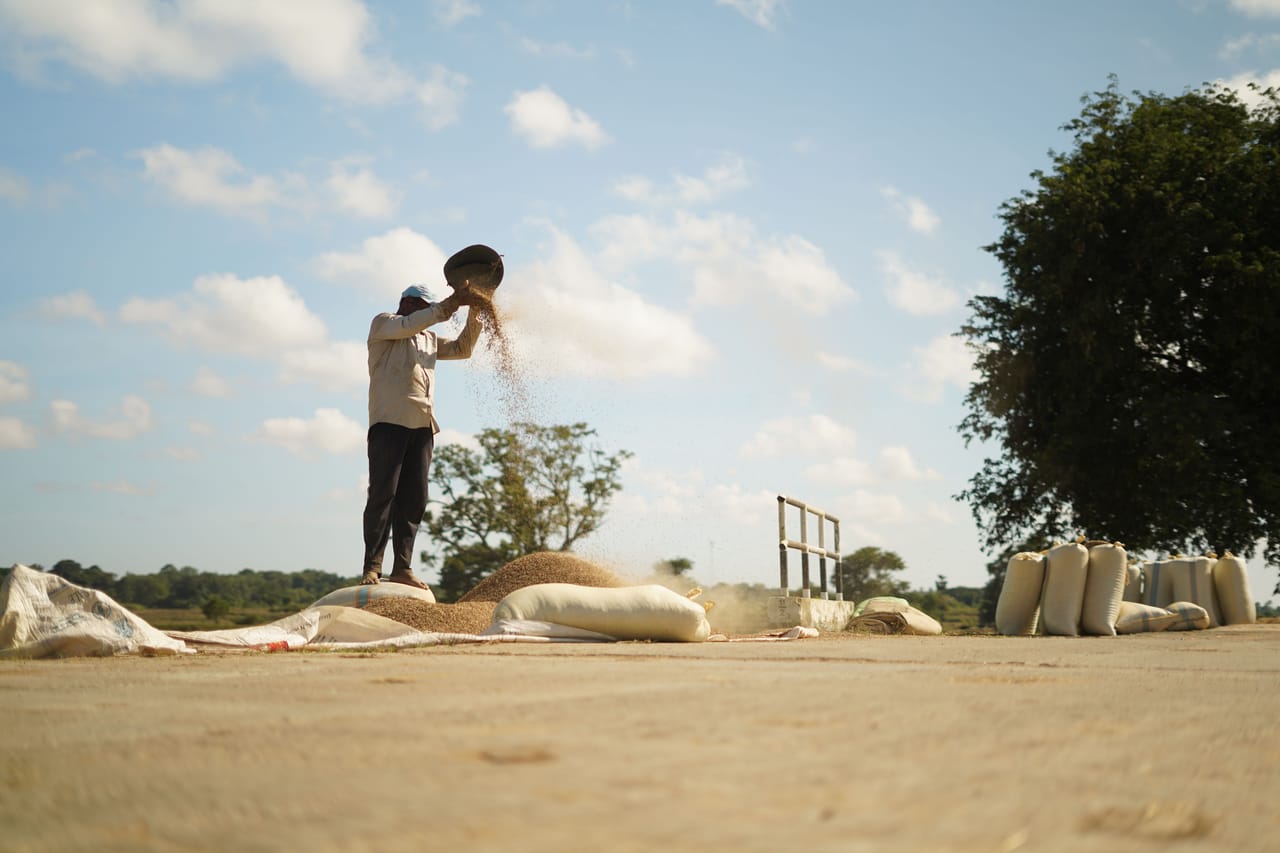
Some costs never show up in a national index, and they are the ones that catch newcomers. The cash buffer is real money that you actually hold. ATMs are thin on the ground and cards work almost nowhere, so you carry and hold cash, which is why the ATM fees in Indonesia quietly shape how often you cross to Kupang to withdraw. We keep a stockpile line for the same reason. When a supply boat is delayed, the household that already bought rice, gas and coffee in bulk simply carries on.
Then there are the small frictions. Bottled fuel on the days the pump is dry. A restocking run to Kupang that turns into an overnight because the ferry timing did not cooperate. None of these are large on their own. Together they add a few hundred thousand rupiah a month that a mainland spreadsheet never predicts, which is exactly why the long-stayer column carries the fattest buffer and stockpile.
Spreading the Once-a-Year Costs Across the Month
If you are here for three to eight months rather than forever, the honest way to read your budget is to smear the big one-off costs across the months you actually stay. Visa costs, the flights in and out, the setup spend on a scooter deposit or kitchen basics, and any house-care you pay for while you are away all belong in the monthly figure, divided by the number of months you are on the island.
That is what the “setup and annual lines, amortised” row does. Skip it and your first month looks brutal while every month after looks unrealistically cheap. Timing helps too. The dry season runs roughly May to October, the window most people plan their long stays around 3, so book flights and leases against that calendar and the amortised line stops being a nasty surprise.
What This Budget Leaves Out
Three things sit deliberately outside these totals, and comparing budgets without naming them is how people end up comparing apples with pears.
Health cover comes first. Depending on your status, options range from BPJS, the national scheme at 42,000 to 150,000 rupiah a month, to nomad policies such as SafetyWing or Genki at roughly 700,000 to 1.5 million rupiah a month, up to full international cover starting around 3 million rupiah a month for one adult 5. Pick one and add it on top.
Flights home come next, the long-haul ones back to your own country rather than the Kupang hops already inside the table. Property purchase is the last. Buying, rather than renting, is a separate investment decision and has no place in a monthly living figure. Keep all three off the line total and add them consciously.
How Rote Sits Next to Bali and the National Number
An island total this low can unsettle you, so it helps to see why it holds up. Rural Indonesia has a significantly lower cost of living than cities and urban centres like Jakarta 2, and Rote is about as rural as the country gets. The national single-person estimate we cite on the cost of living in Indonesia sits near 20.6 million rupiah a month, and our solo household lands well under it at 11.85 million.
Against Bali the gap is wider still. A solo long-stayer in a simple Bali villa without a private pool runs 16 to 20 million rupiah a month, and a couple in a shared pool villa 42 to 62 million, roughly $2,400 to $3,500 5. Set that beside the Bali cost of living compared and Rote’s numbers look almost implausible, until you remember the trade. You give up Bali’s convenience and pay it back in ferry crossings, cash runs and the occasional dry pump. The money you save is real. The logistics you take on are real too, and both belong in the same honest budget.
Sources
Footnotes
-
Rote Island — dati (Wikidata). wikidata.org ↩
-
Average monthly net wage Indonesia 2026, by sector. statista.com ↩ ↩2
-
Rote Island Travel Costs: Budget vs Luxury. roteislandlodge.com ↩ ↩2 ↩3 ↩4
-
Moving to Bali: The Complete 2026 Guide - Wonderful Bali Villas. wonderfulbalivillas.com ↩ ↩2