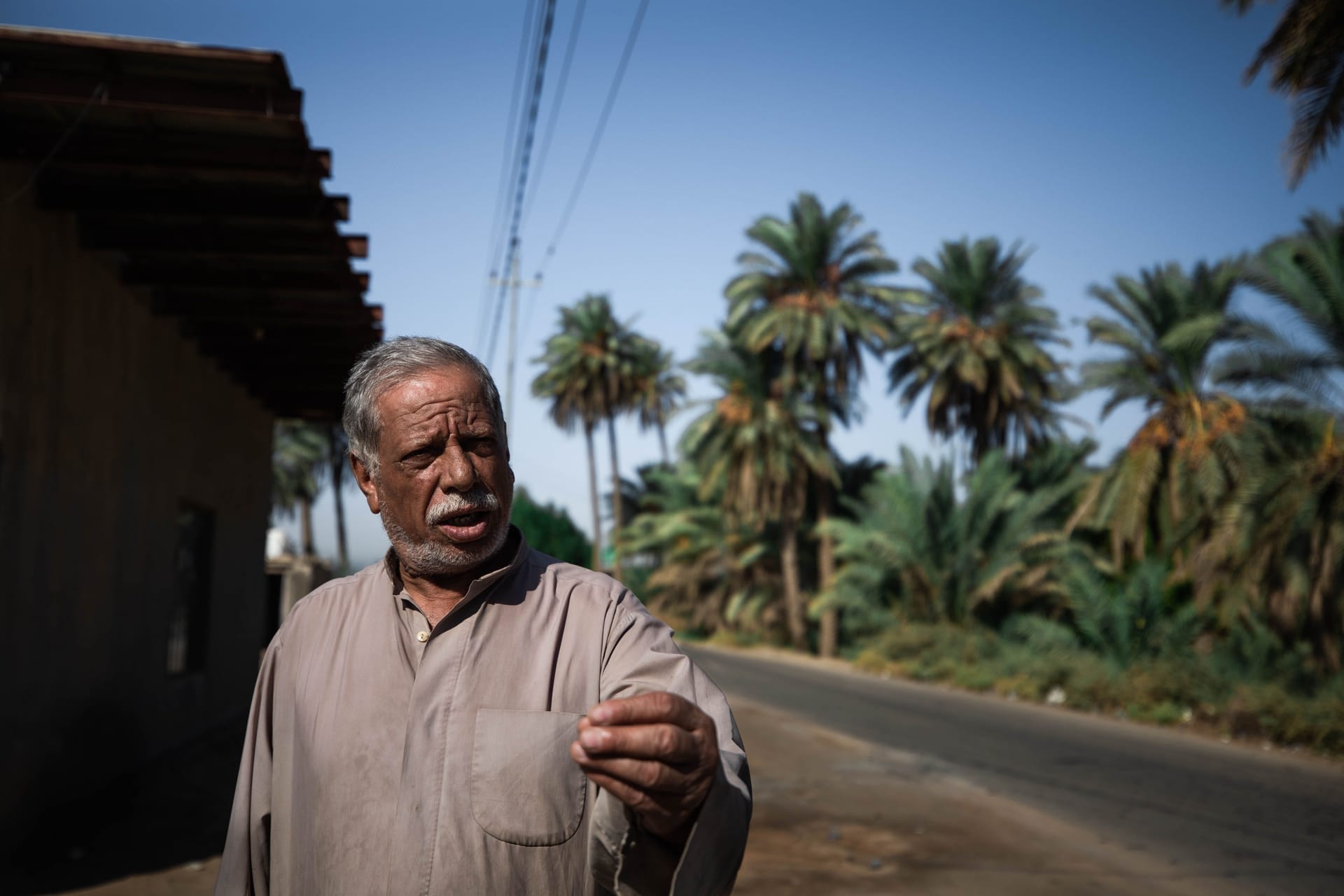
The first time I tried to rent the patch of scrub behind my house, the owner smiled and said he had to ask. He had to ask his two brothers, an uncle who lives in Kupang, and a cousin who moved across the water to West Timor years ago. One fence, one gate, four people with a say, and only one of them sleeps within walking distance of the plot.
That afternoon taught me more than any list of customs could. How people here are organised decides how they deal with you, right down to the smallest request. Once the structure clicks, the daily behaviour stops feeling random. This is the layer the practical guides tend to assume you already carry in your head.
Who the Rotenese Actually Are
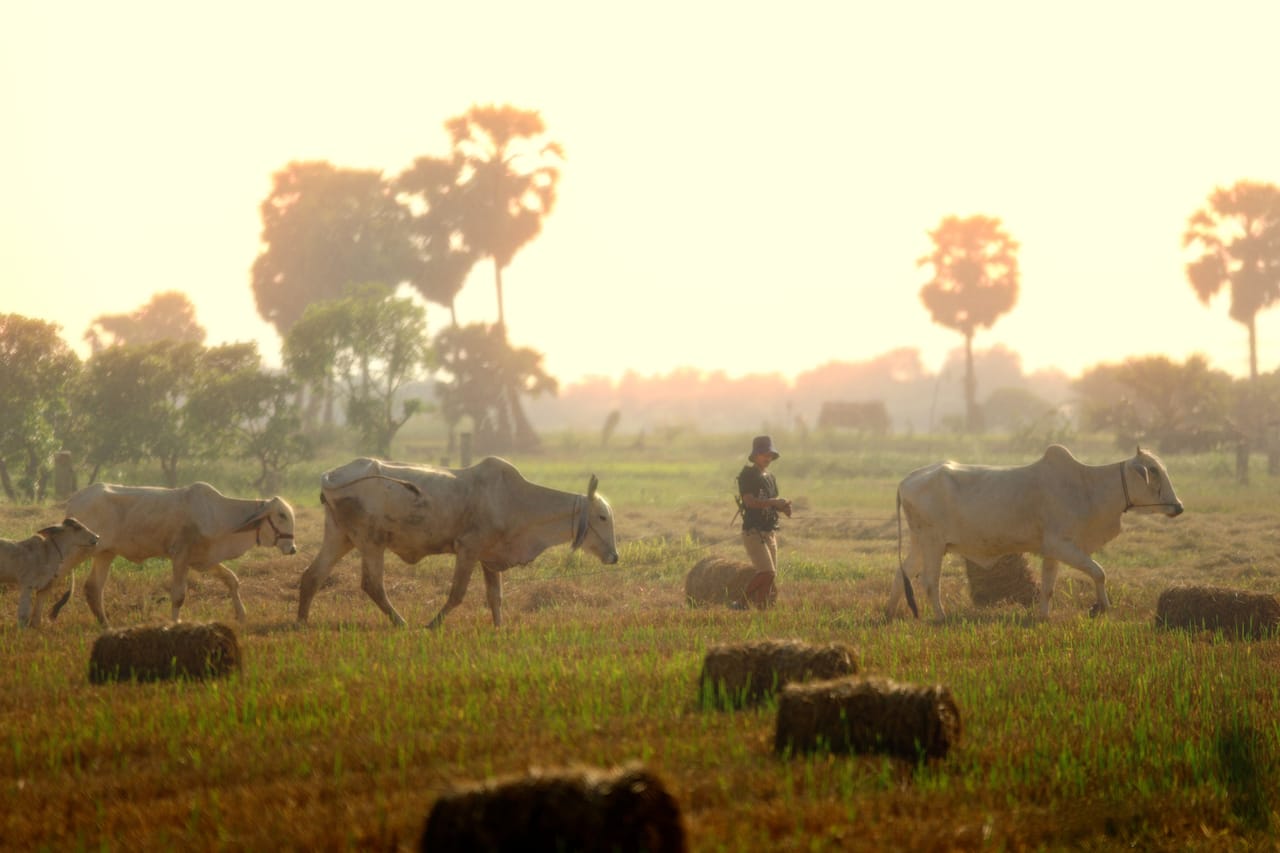
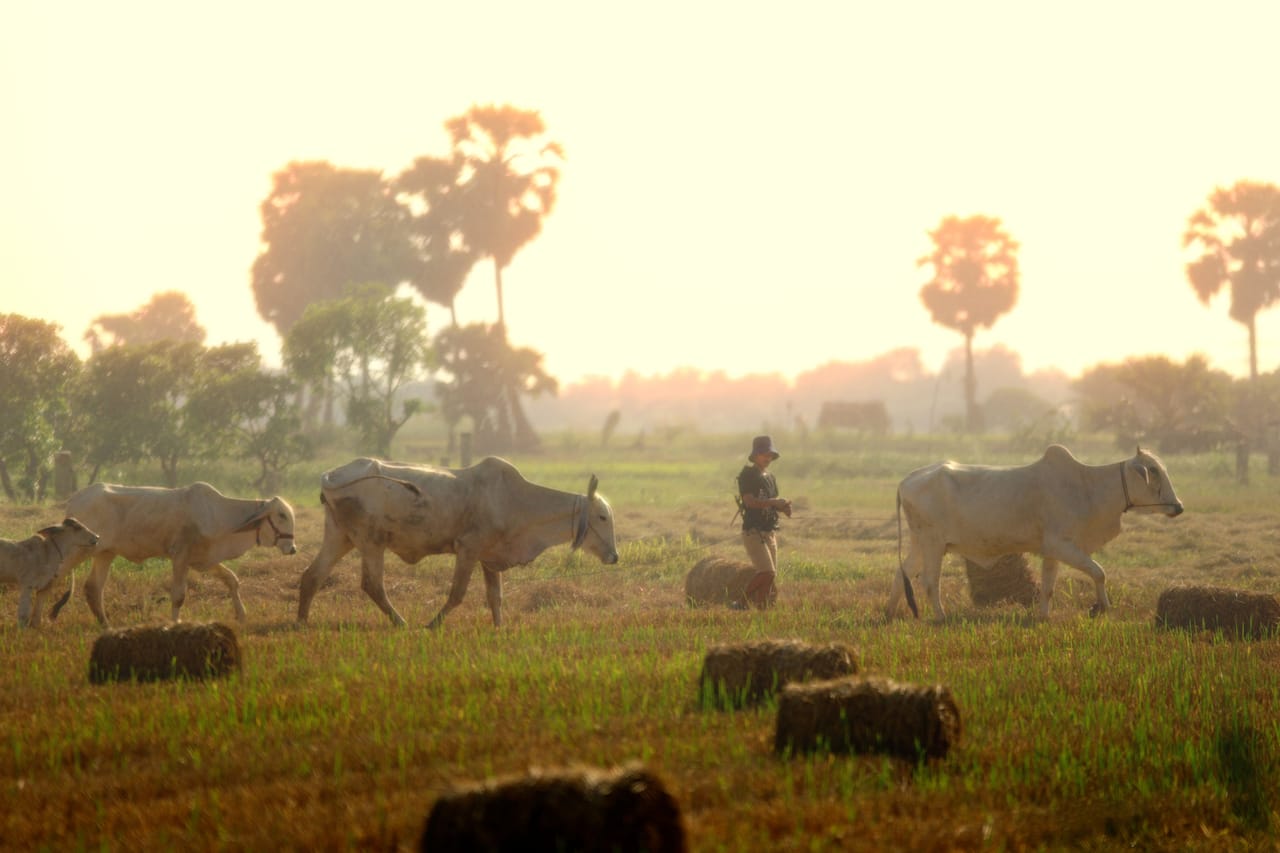
The Rotenese are the native people of Rote, the low island off the southwest tip of Timor. A large share of them also live across the strait in West Timor, and Rotenese families settled the small islands ringing the coast long ago, among them Ndao, home to the Dhao, along with Nuse, Pamana, Doo, Heliana, Landu and Manuk.1 So the word already stretches well past a single island of 1,227 square kilometres sitting barely 320 metres above the sea at its highest.2
Where they came from is part of the story people tell about themselves. One account traces the Rotenese back to Seram, in Maluku, with the first arrivals reaching Rote around the era of the Majapahit kingdom, somewhere between the late thirteenth and sixteenth centuries. From that same stretch of time come the earliest written references to the rulers of Rote.1 Those rulers matter far more than they first appear, and I will come back to them.
Daily life still runs on what the land and sea hand over. Families grow rice, corn, cassava, sorghum and millet, keep buffalo, cattle, horses and poultry, fish the shallows, and tap the sap of the lontar palm that shades most of the island.1 Women weave cloth, work pandan leaf and turn pottery.1 A plate here is often tubers, porridge and fish.1 This is a normal Tuesday, ordinary work, and it tells you that most households still measure wealth in land, animals and hands available to work.
The Domains Came Before the Districts
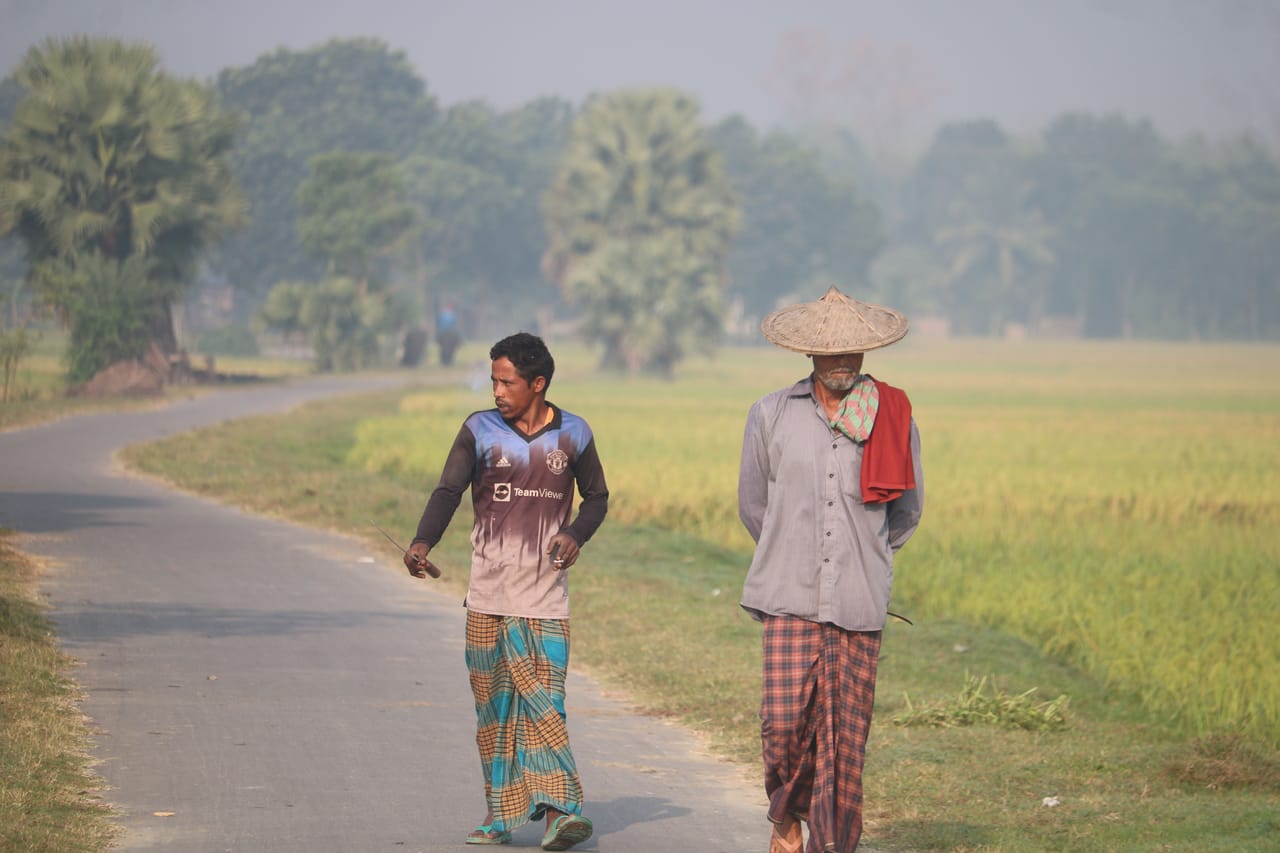
Long before Rote became a set of Indonesian administrative districts, it was a mosaic of small domains, each with its own ruling line. The old rulers the early records name belonged to exactly these territories.1 The state map redrew the borders generations ago. The older map never left.
Ask a Rotenese person where they are from and you rarely get a district on your first try. You get the name of a domain, the old territory their family line belongs to, sometimes a village inside it, sometimes the church that serves it. I have watched two men who grew up forty minutes apart spend a full minute working out, through domain and family, whether they count as relatives before they decide how formal to be with each other. That calculation runs constantly, and you are part of it whether you notice or not. Where you are staying places you on the map faster than your nationality does. The family whose land your rented house sits on becomes, in local eyes, the people responsible for you.
This is why the same plot of ground so often has several owners at once. Land tends to belong to a line rather than a name on a certificate, which is the real reason my neighbour had to ask three relatives before renting me a strip of scrub. The person in front of you is a doorway to a group standing behind him, and he answers to it.
Which Language Someone Reaches For Places Them on That Map
Beyond Indonesian and the everyday Kupang Malay you hear at the market, Rote carries its own local languages, and which one a person reaches for is a piece of information in itself. The tongue someone opens with signals which corner of the island they belong to and which family they are addressing you as. It works like a marker of origin more than a set of words.
Watch what happens when two Rotenese meet for the first time. The language they settle into within the first few exchanges quietly sorts out whether they are treating each other as kin, as neighbours from the same domain, or as strangers who will keep things polite and Indonesian. That choice is a placement. When people switch to their own tongue in front of you, it reads as no insult; they are stepping back onto their own map, the one where you are still a guest. Learning to hear that shift, even without understanding a word, tells you more about a room than the content of the sentences.
Why the Answer Is So Often “I Have to Ask”
Every visible rule here grows out of one root, that people belong to a group before they belong to themselves. Land, decisions and reputation sit with the line, not the individual. So when you ask a Rotenese person for something that touches any of those, the honest answer really is that they have to ask. The delay carries real meaning; it is how a decision actually gets made.
The same root explains why help flows so easily and then quietly expects something back. Obligation runs in both directions. A neighbour who fixes your fence, lends a motorbike or sits with you when you are sick has added you to a ledger that both of you now keep, and neither of you forgets it. This is the structure underneath the social codes that decide whether you are accepted, and it is why the customs a newcomer trips over in the first weeks matter, they signal that you understand you have joined a web where a rented room comes with a group attached.
Here is the same idea laid out as structure and consequence, the way it actually lands on a foreigner trying to live here.
| How the Rotenese are organised | What it means for you, day to day |
|---|---|
| Land and property belong to a family line, not one owner | The answer to “can I use this?” is “I have to ask,” and the asking takes real time |
| Domain identity is older than the Indonesian district | People place you by where you are staying and whose land it is, not by your passport |
| The local tongue marks family and origin | The language two people settle into tells you how they rank their relationship, and where you stand in it |
| Obligation runs both ways within the group | Help given is help expected back; accept enough of it and you are inside the ledger |
| Reputation is collective | Your behaviour reflects on the family hosting you, so their standing rides on you too |
What This Changes If You Are Staying Months, Not Days
For a two week visitor none of this surfaces. You pay, you smile, you leave, and the structure never has to decide what to do with you. Stay three, five, eight months and it does. The scrub-behind-the-house problem stops being a funny story and becomes the shape of everything, from securing a long lease to getting a well dug to understanding why the man who sold you fish now expects to be invited when your family visits.
The slow rhythm that frustrates people on short trips is the same rhythm that eventually lets you in. The weddings and funerals that run the island as a system of mutual obligation, the betel nut passed at a first meeting, the Sundays that double as village business, all of it is the group doing its bookkeeping in public. If you are here long enough to show up more than once, you stop being an outsider being handled and start being a person with a place, however small, on the older map. You earn that standing by staying, by asking before acting, and by returning the help you take. Money and haste do nothing.
Which is the honest summary of living among the Rotenese. The island rewards patience the same way it rewards a surfer who waits weeks for the right swell. Read the structure first, accept that most answers pass through a family before they reach you, and daily life here becomes workable and genuinely warm. Fight it, treat every “I have to ask” as an obstacle, and you will spend your whole stay wondering why the same simple request keeps taking three days.
Sources
Footnotes
-
Rotenese people — Wikipedia. en.wikipedia.org ↩ ↩2 ↩3 ↩4 ↩5 ↩6
-
Rote Island — dati (Wikidata). wikidata.org ↩