
Most families planning a move to Rote with kids build the whole timeline around the calendar they grew up with, a September start with a long summer to settle in first. Then they find out Indonesia runs school on a different clock, opening the year around July and taking its long break in the middle, not at Christmas the way a northern family expects. Booking your flights for late August, the reflex from back home, can drop your children into a classroom weeks after everyone else has already found their seat.
This is a practical guide to getting the timing right. You will get the real shape of the Indonesian school year, an honest look at the schooling options that actually exist on a small island in East Nusa Tenggara, the three arrival windows compared side by side, and a month by month plan that counts backwards from the first day of school. No brochure gloss. Just how the calendar works when you actually live here.
The Indonesian School Year, Explained for Incoming Families
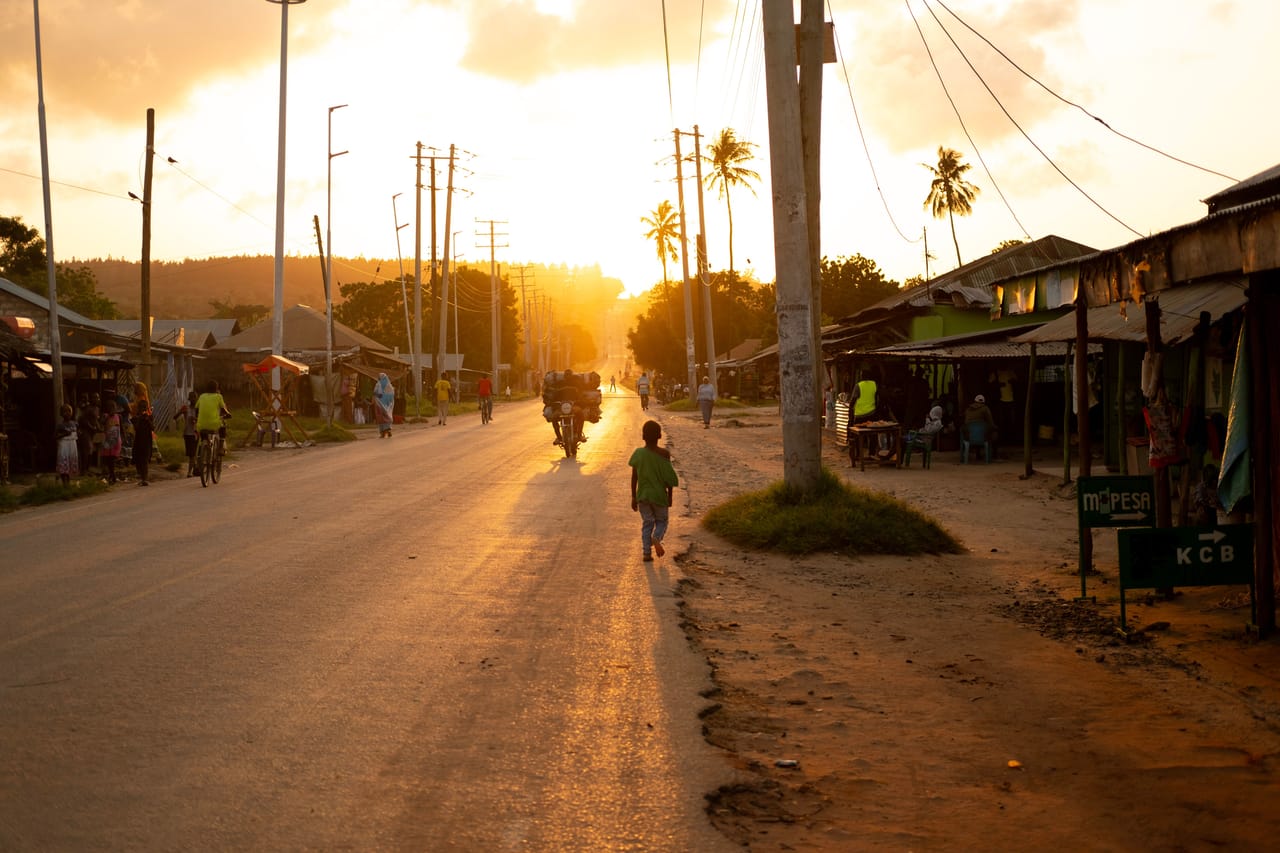
Indonesia’s state school system runs across two semesters, broadly from July or August through June, with the second semester opening after a mid-year break. Exact dates are set locally and shift a little from year to year, so the safe move is to confirm them for the specific year you plan to arrive. 12 Rote sits in the province of East Nusa Tenggara, so the dates that matter to you are the ones your local authority publishes, not the national headline. 3
| Term | Rough window | What it means for you |
|---|---|---|
| Semester 1 | Opens July/August | The main intake. New pupils start together at the top of the year. |
| Mid-year break | Between the semesters | The second natural entry point, at the start of semester 2. |
| Semester 2 | Runs through to June | Second-half entry, workable but off the main intake. |
Public education is free and compulsory for nine years, six years of primary school and three of junior secondary. 4 School days here start early, sometimes from around 6.30am, and run five or six mornings a week. 1 If your children are used to a 9am bell and a two-day weekend, that alone is worth preparing them for.
What this flips for northern-hemisphere families
Coming from the UK, Europe or North America, your instinct is a summer move, June to August, landing in time for a September start. On Rote that same instinct puts you on the ground right as the year is already opening, or just after it, which is the worst moment to arrive with unsettled kids. Children tend to settle faster when they join at the very start of a term rather than partway through. So pull the whole plan forward. Aim to be here in May or June, with a few unhurried weeks to unpack, sort a routine and walk your kids past their new school before day one.
School Options for Kids on Rote: The Honest Picture

Here is the part no relocation blog written from a desk will tell you straight. You should not count on an established international school waiting on Rote. What you actually have are three real paths, and choosing between them is most of the timing decision.
Local Rotenese schools
A village primary is free at the primary level. 4 Enrolling your child in a local Sekolah Dasar means full language immersion and a childhood spent inside the community rather than beside it. Local community life shapes the rhythm of the school week, the holidays and the local festivals. This works best for genuine long-stayers who want their kids woven into island life and into Rotenese culture and food, not families passing through for one dry season. Be realistic about what a small village school offers, modest facilities and teaching in Indonesian from the first day.
Homeschooling and online school
This is a natural fit for foreign families in remote parts of Indonesia, and for good reason. An online curriculum keeps your child on the calendar and standards you already know, and it moves with you. The one thing it cannot survive without is a steady connection. Your child’s online school leans on exactly the same internet and remote-work connectivity on Rote that your own remote job depends on, so the two decisions are really one. Some structured schools elsewhere in Indonesia run flexible or drop-in enrolment over a short minimum block, which can bridge a gap while you settle. 5 Note that private and international schools follow their own calendars, often a northern hemisphere August to June year, so an online provider will not line up with the local July start. 2
The off-island structured-school option
If you want a formal, more structured school with a proper campus and a broader peer group, you will realistically need to look off the island rather than on Rote itself. That is why so many long-stay families treat Kupang as a logistic base for living in Rote Ndao. Choosing this path means accepting a real trade, either splitting your time so the family lives part of the year off the island, or building the ferry and the short flight into your ordinary weekly routine. Neither is a dealbreaker. Both are things to decide with eyes open before you commit.
The Three Arrival Windows, Compared
Guidance written for movers back home talks about summer versus mid-year in the abstract. Here it is concrete, tied to a July start and to the seasons you will actually land in.
| Window | Upside | Downside | Best for |
|---|---|---|---|
| May to June (before the July start) | The golden window. Calm weeks to settle, and your child joins with the whole new intake at the top of the year. 42 | You commit early, before you have lived a full year here. | Families who can plan ahead and want the smoothest possible first term. |
| The semester break (mid-year) | Indonesia’s real mid-year entry. You join at the start of semester 2, the second clean entry point. 2 | Off the main July intake. | Families whose home-country timing forces a mid-year move. |
| Mid-semester arrival | You get here when life allows, no waiting. | The hardest on kids, joining partway through a term. Workable with strong support from the school. 2 | Anyone with no choice, softened by planning. |
If you land mid-semester, take the pressure off deliberately. Send one parent ahead to lock down housing and a routine, and start an online or homeschool bridge so your child is learning from day one while you sort out a longer-term school. Joining partway through is manageable when the school is behind you and the child is not also sitting in an empty house all week. 2
How Rote’s Wet and Dry Seasons Shape a Family Move
Weather is worth planning around when you move a household with children. There is a plain, physical reason. Moving a household of boxes down island roads is a different job in dust than in mud, and the first weeks with children go better when the days are dry enough to be outside, meet neighbours and burn off the energy of an upheaval.
This is the quiet gift of the calendar. Arriving in May or June to catch the July school start also gives the family calm weeks to settle before the routine begins. If one parent surfs and is staying for the long haul, this is also the frame that actually holds up. Slow surfing on Rote rewards the person who lives here across the seasons and waits for the days to line up, which is a completely different thing from a week-long surf trip that will only disappoint. Patience, not a plane ticket, is what scores here.
Month-by-Month: From Decision to First School Day
The reliable timeline for a family relocation of this size is six to twelve months. Families who leave it too late end up rushed, with fewer options and more stress. 6 Count backwards from a mid-July first day of school.
- Six to twelve months out. Make the call and set the budget. Work through your real cost of living on Rote before anything else, since living here as a family adds up quickly once rent, schooling and everything else is in. 6 Start researching your schooling path now.
- Four to six months out. Lock in the schooling decision, whether that is a local school, an online provider or a structured school off the island. Ask to visit or take a virtual tour before you enrol if you can. If you go the structured, international-style route, confirm the application timeline early rather than assuming a walk-up in July.
- Three to four months out. Sort visas and permits for long stays in Indonesia. Minor children are generally sponsored on a parent’s family stay permit. 4 Arranging permits takes time, so start early and confirm the current requirements rather than trusting any single figure.
- Two to three months out. Start the housing search in earnest. A short-term rental of one to three months first, then a longer lease once you know an area, is how you avoid overpaying, since arriving blind can cost you well over the going rate.
- One month out. Gather your children’s school records and transcripts and get them transferred as early as you can. Stock a good supply of any prescription medicines to bring with you.
- Arrival. Get on the ground before the first day of school so the whole family has time to settle before the routine starts.
FAQ: Moving to Rote with Kids
When does school actually start on Rote?
Indonesia’s school year opens around July or August and breaks mid-year, running two semesters through to June. 12 Exact dates are set locally and vary year to year, so confirm the calendar for East Nusa Tenggara before you book flights. 3
Is there an international school on Rote?
Do not count on one. On the island itself you have local Rotenese schools, homeschooling or an online curriculum. For a formal, structured school you will realistically need to look off the island, which means either living part-time off Rote or building the ferry and flight into your routine.
What will schooling and living cost?
Costs vary widely depending on your choices, with schooling and rent making up most of a family’s monthly budget. 6 Local public primary school is free. 4
Do my children need their own visa?
Minor children are generally sponsored on a parent’s family stay permit rather than holding a separate one. 4 Confirm the current permit requirements before you travel rather than trusting any single figure.
Can we see a school before we commit?
Yes, and you should. Visiting the school with your children, in person where possible, can make the first day far easier on them. Get their records transferred as early as you can once you have chosen.
Sources
Footnotes
-
The Indonesian education system: An overview. wise.com ↩ ↩2 ↩3
-
School Calendar Differences in Jakarta Explained. isj.id ↩ ↩2 ↩3 ↩4 ↩5 ↩6 ↩7
-
Rote Island — Wikipedia. en.wikipedia.org ↩ ↩2
-
Attending school in Indonesia. indonesiaexpat.id ↩ ↩2 ↩3 ↩4 ↩5 ↩6
-
FAQs - Pelangi School Bali. pelangischoolbali.com ↩
-
Moving to Bali for the 2026 School Year: Your Complete … ouryearinbali.com ↩ ↩2 ↩3