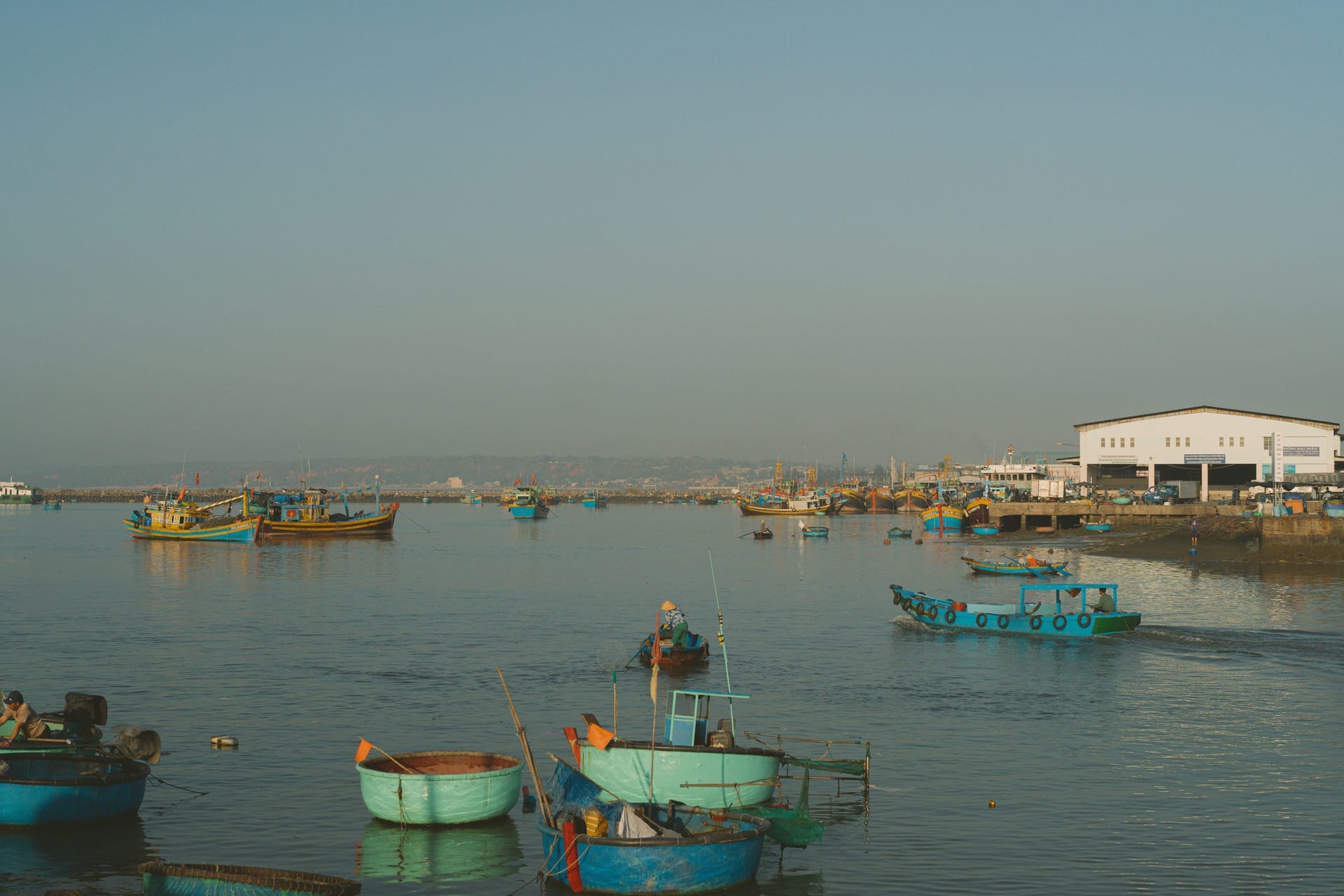
Nearly 475,000 people live in Kupang, and once you settle on Rote you will meet almost none of them 1. Your version of the city shrinks to a strip: a port, a market by a pier, an airport road, three or four offices you learn by heart. Kupang is the capital of East Nusa Tenggara and the only independent city in the province 1, and for anyone building a life across the water on Rote it becomes the switchboard the whole year routes through. You go down for a fixed set of reasons that cost you days each time, and the city is where those days get spent. This page is about the city itself, the shape of it once your feet are on the ground.
What Kupang actually is
Kupang is the capital of East Nusa Tenggara and the largest city and port on Timor, home to roughly 475,000 people 1. For anyone living on Rote it is the working hub across the water: the port, markets, airport and provincial offices that the island itself cannot provide.
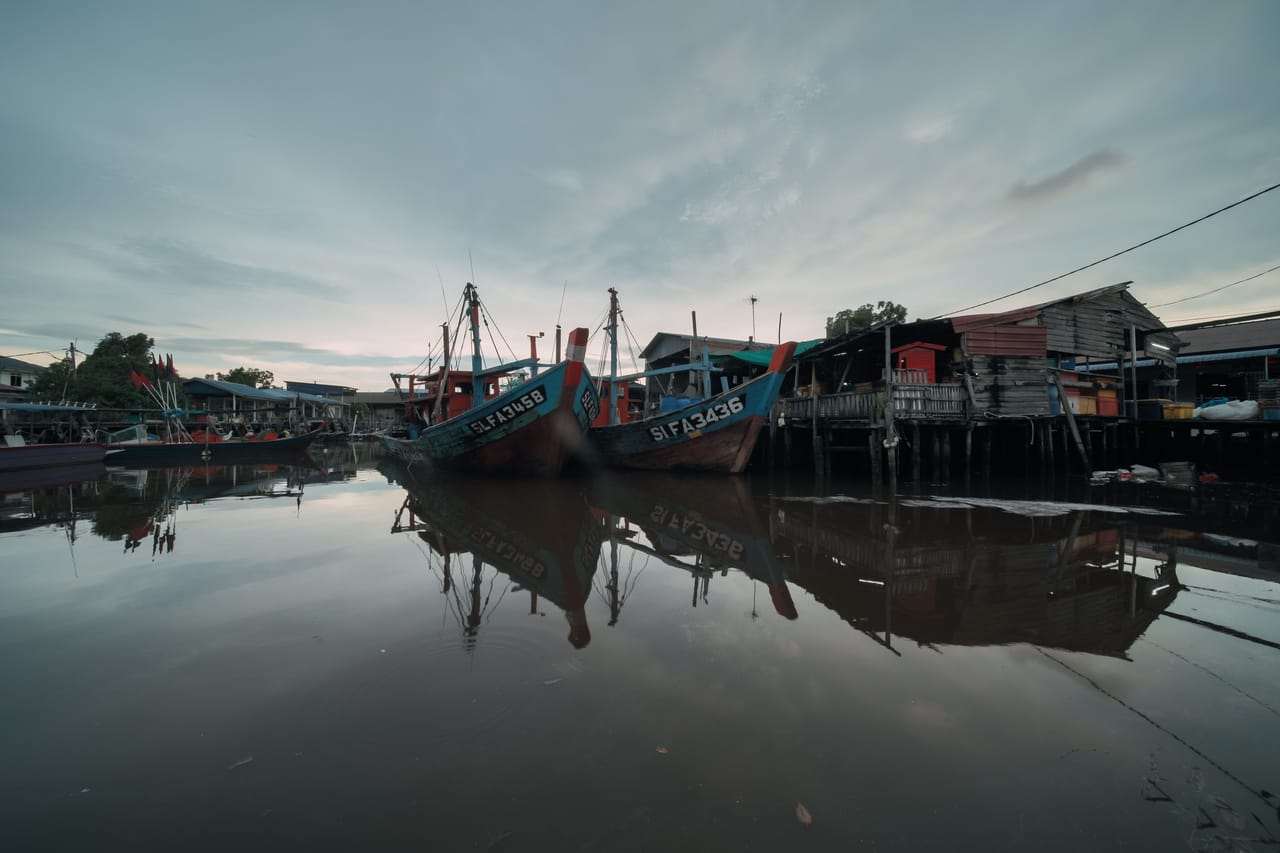
Kupang sits on the island of Timor, in West Timor, and it is the capital of the province of East Nusa Tenggara 12. It was once written Koepang. At the 2020 Census it held 442,758 people, and the official estimate for mid-2024 put it at 474,801, split almost evenly between men and women 1. Wikidata records a figure of 466,632 3. Whichever number you trust, this is a real city with real weight, not a coastal town.
It is the largest city and port on the island of Timor, the only independent city in the province, and it belongs to the Timor Leste–Indonesia–Australia Growth Triangle free trade zone 1. Geographically it is the southernmost large city in Indonesia 1. The city covers 180.27 square kilometres at an elevation of 62 metres 3. That scale matters more than it looks, because it tells you the services you will need down here mostly exist, which is exactly why you come.
The map that actually matters: four parts of the city you’ll use

Kupang breaks into a set of districts you will start hearing named, but you do not need all of them. In practice your Kupang collapses into a handful of working zones.
There is the harbour side, the water end of the city, where the port pulls everything toward it. If your day is built around the ferry crossing to Rote, this is the gravity you plan around.
There is the market side, where the city feels like a city: produce, fish off the boats, the ordinary supply run you cannot make on Rote.
There is the commercial spread, the retail and errand belt where the bigger shops and offices cluster. And there is the inland stretch you cross when a flight or an arrival day sets your schedule.
You move between these on a bemo, the local microbus, and it is worth knowing before you land. The full logic of getting around Kupang turns on knowing your route, and a wrong guess costs you an hour you did not plan to spend.
What Kupang can’t do for you
Kupang can’t replace Bali and it isn’t a holiday stop. It handles the province-level errands, supplies and transport Rote lacks, but specialist jobs that need a bigger hub still send you further on, and its beach and water park are for a spare afternoon, not a reason to go.
Kupang is the place that solves the province-level problems Rote cannot. What it does not do is stand in for Bali. The heavy, specialist errands that only a bigger hub handles still send you further on, and the pillar’s breakdown of what gets solved in Ba’a, what needs Kupang, and what needs Bali is the honest ceiling on what a Kupang run can close. Do not build a trip around expecting the city to do more than it can.
It is also not your holiday. Kupang has a white sand beach and a water amusement park 2, and both are fine on the odd free afternoon, but they are the tourist’s version of the city, not the one you came to use. When a medical need is the reason you are down, the hospital in Kupang is its own subject with its own rules, and treating a supply run as a health trip wastes both.
What the city is actually like to be in
Kupang is loud, dense, humid and bright, a working port city on a wide bay with white sand at its edge 2. After a stretch on Rote it feels like a lot of city very quickly, which is a useful signal to keep your stays there short and purposeful.
The bay defines the feel of it. There is white sand and open water at the edge of a working port 2, and the light can be relentless. The surrounding country is quietly alive: over 13,400 wildlife records have been logged around Kupang, dominated by Eurasian tree sparrows, swiftlets, honeyeaters, and the local white-eyes and munias 4. You notice the birds in the mornings before the traffic starts. The city is loud, dense, and humid, and after a stretch on Rote it will feel like a lot of city very fast, which is its own useful signal about how long to stay.
What to do in Kupang with a spare day between flights
With a spare day in Kupang, keep it cheap and close: take a bemo for about Rp 5,000 to Pasar Oeba in the morning, spend the afternoon at Lasiana Beach for Rp 6,000 per adult, and eat seafood at the Jalan Kosasih night market, which opens around 18:30 2.
Start with the transfer, because it sets the budget. A car from El Tari airport into town ran Rp 100,000 to 200,000 as of 2026, and Grab works at the airport 2. Maxim is the most used ride-hailing app in the city, followed by Grab, and it is the simplest way to hop between the market, the beach and your hotel 2. In town the bemo costs Rp 5,000 a ride in 2026: you tell the assistant your stop in advance and pay them on board 2.
Go to Pasar Oeba early. The fish market sits by the water and the produce stalls run further inland 2. Lasiana adds a parking fee of Rp 3,000 for a motorbike or Rp 5,000 for a car 2, and if you would rather have your own wheels for the day, motorbike rental starts at Rp 100,000 2. Goa Kristal Bolok, a cave with a Rp 20,000 entrance fee, is the other easy half-day 2.
Finish at the Pasar Malam on Jalan Kosasih, where the stalls fry fresh seafood every night 2, and plan the whole day backwards from the next morning’s flight or ferry.
Frequently asked questions
Where is Kupang? Kupang is in West Timor, on the island of Timor, and it is the capital of the Indonesian province of East Nusa Tenggara 12. It is the southernmost large city in Indonesia, sitting at roughly 10.16°S, 123.58°E 13.
How big is Kupang? Estimates run from a 2020 census count of 442,758 up to a mid-2024 figure of 474,801, with Wikidata recording 466,632 13. The city covers 180.27 square kilometres at about 62 metres elevation 3.
How do you get around Kupang? Most local movement runs on the bemo, the local microbus. The full Kupang transport picture builds on those routes.
Is Kupang worth a stay of its own? For a settler on Rote it functions as a base rather than a getaway. It offers a white sand beach and a water park for a spare afternoon 2, but its real value is the province-level errands, transport, and services that Rote itself cannot provide.