
You close the door in late October, the first heavy clouds already sitting over the Timor Sea, and the next time you touch that handle it will be April or May. Everything between those two dates happens without you. Search property management in Indonesia and you get Bali agencies who run villas as rentals, chase OTA bookings, and split the yield. On Rote none of that exists, and an empty house here does not sit patiently waiting for you. It works against you, quietly, every single day of the wet season while you are on the other side of the world. If you are settling into the long stay rhythm of four to nine months on the island and the rest of the year elsewhere, the house you leave behind on Rote is the thing most people underestimate. This is what actually needs looking after, and who might do it.
What Six Empty Months Do to a House Here
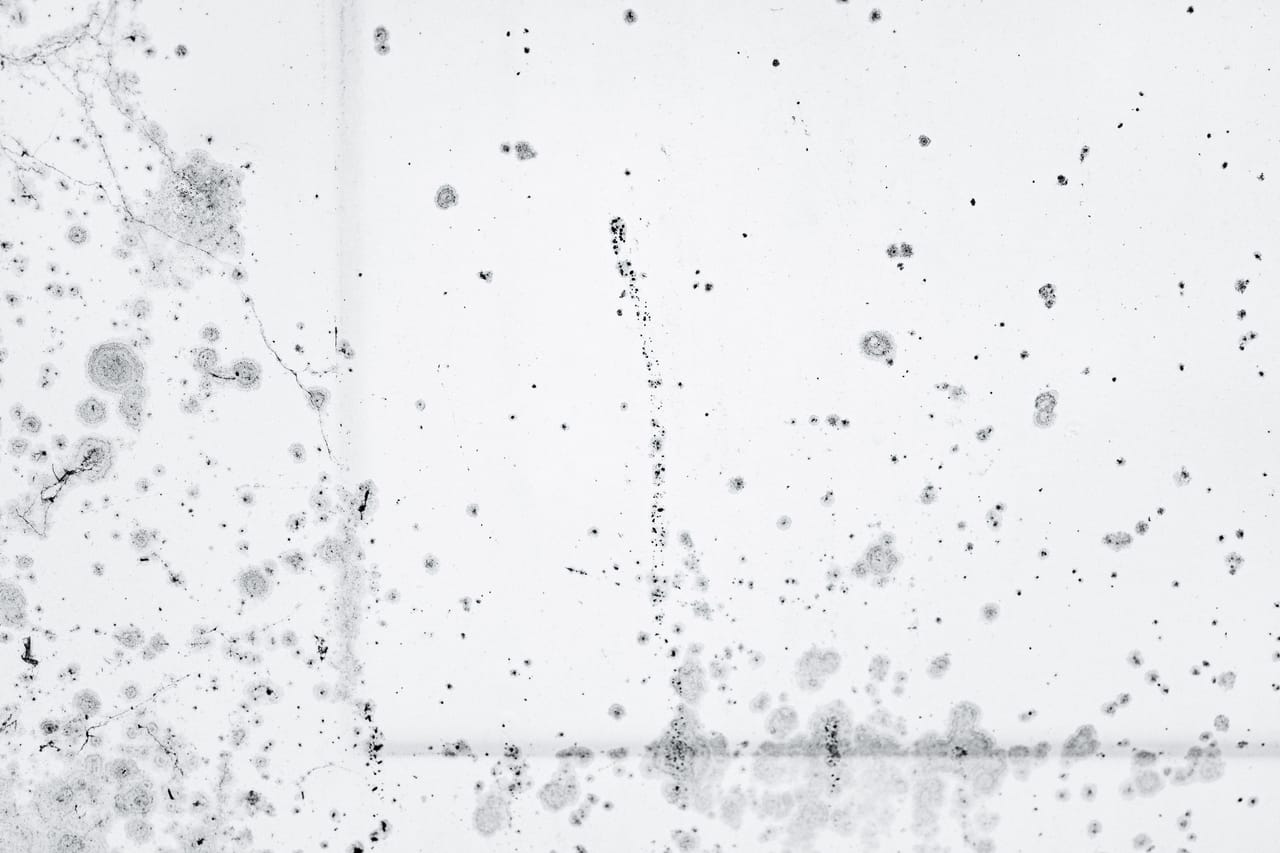
A house on Rote left shut for six months takes on damp and mould across leather, timber and fabric, rust on every metal fitting, insects and termites moving into switches and cupboards, a garden that swallows the paths within weeks, and a water system that seizes or turns stagnant from sitting idle. None of it is dramatic on day one. All of it compounds.
Water is the first enemy. Even in insured temperate homes, water damage is consistently one of the largest claim categories, close to a fifth of all homeowner losses 1. Now take that pressure and point it at a sealed tropical house during three months of storms. Sealed rooms hold humidity like a jar. Leather sandals in a wardrobe grow a grey fur, wooden drawers swell shut, a mattress left flat starts to smell. Anything metal begins to rust, and near the coast the salt in the air speeds it up until hinges, tools and the frame of your bicycle wear an orange skin.
Then there is everything alive. The garden does not pause because you left. Grass, vines and banana suckers close over a cleared path in a matter of weeks, and by the time you are back the yard has a different shape. Ants and termites treat an undisturbed house as prime real estate, nesting inside light switches, behind skirting, in the backs of cupboards and appliances nobody opened. Rote sits in a genuinely busy little ecosystem, over three thousand documented species occurrences around the island, from honeyeaters to swiftlets 2. Not all of that stays politely outdoors.
The water system fails in its own way. A pump that never runs can seize; a tandon left full goes stagnant and green; gutters and drains that nobody cleared clog with leaf litter right before the first big rain needs them most. The cold-climate checklists you will find online tell you to drain the pipes and kill the boiler so nothing freezes. On Rote the opposite is true. Standing water and stopped machinery are the problem, not frost.
Why the Bali Advice Doesn’t Transfer to Rote
Most of what ranks under property management in Indonesia is written by or for Bali villa managers, and it assumes one thing: your house earns money while you are gone. The advice is about vendors, spending approvals, owner reports, and any rental activity the property is legally allowed to support 3. It is genuinely useful if you are running a two-to-five bedroom villa on the booking platforms with a housekeeping team turning it over between guests 4.
Rote is a different planet. There is no property-management company here, no app, no agency, no 24-hour hotline you can put on retainer. The island’s own house-sitting service exists precisely because that industry never arrived. So the Bali playbook, hire a manager, sign a scope of work, demand monthly reports, has nothing to plug into. What you have instead is people you know and trust, arranged by hand. The job is not managing a rental business. The job is keeping a closed building and a garden alive with almost no infrastructure behind you. That changes every decision that follows.
Closing Up Before You Leave
The week before you fly out matters more than anything you can arrange from abroad. A tropical closing-up routine looks nothing like the temperate one. You are not winterising. You are fighting damp, pests and stagnation. Work through this before you lock the door:
- Move air, don’t seal it. Leave internal doors and wardrobes open, drawers ajar, and a couple of high louvres or barred vents cracked so the house can breathe. A totally sealed room is where mould wins.
- Lift everything off the floor. Mattresses on their side, leather and shoes bagged with whatever silica you can get, documents and electronics up high in a sealed box. Anything organic left flat on tile will spot.
- Deal with the water. Drain the tandon or keep it circulating through someone, clear the gutters and every roof drain now so the first storm runs off cleanly, and decide whether the pump gets switched off at the breaker or run briefly each week by your key-holder 5.
- Empty and prop the fridge. Defrost it, clean it, and leave the door wedged open. A sealed fridge left off for six months comes back as a biohazard.
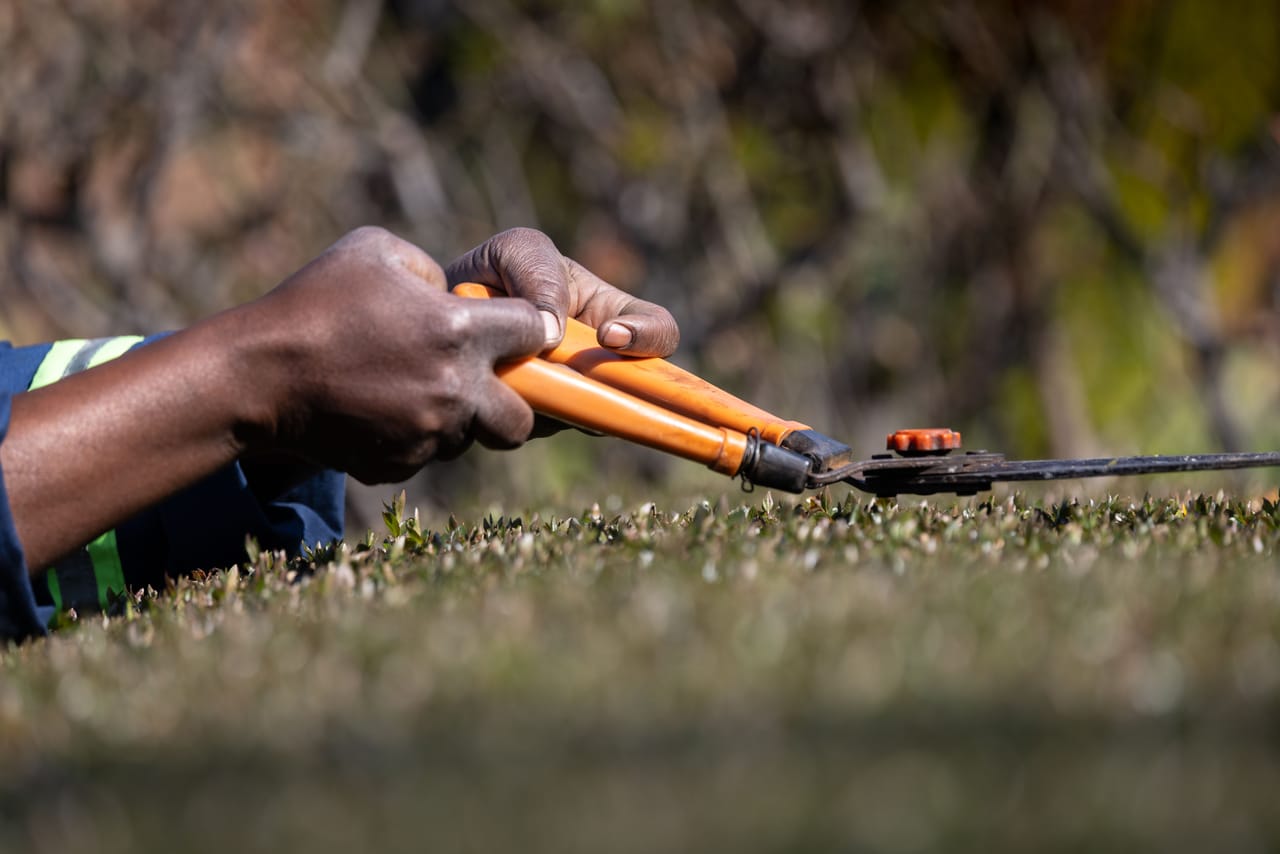
- Cut the garden back hard, further than looks necessary, so the regrowth has not reached the walls and roofline by the time anyone checks on it. Trim branches off the roof; leaf litter on tiles rots and blocks drains 5.
- Kill standing water outside so you are not breeding mosquitoes across the whole wet season, and check window and door seals for cracked caulking that lets rain track inside 6.
- Park the motorbike properly. Disconnect or remove the battery, fill or drain the tank per local advice, put it up on the centre stand out of the sun and rain, and leave it where someone can start it occasionally.
- Unplug the electronics at the wall against the lightning that comes with these storms, and box the small valuable things together where one trusted person knows they are.
None of this needs a company. It needs a careful afternoon and a person who will look in.
The Housekeeper and Gardener Question
If you keep a housekeeper or gardener during your months on the island, the hardest call is what happens to them while you are away. Let them go and you save money, then spend your return week trying to find and retrain someone, often losing a good person to another household who kept paying. Keep them on and you are paying for a mostly empty house.
The middle path is usually the right one. Retain your regular help on reduced hours and reduced pay through the absence, enough that they still consider the job theirs and they show up. A gardener who comes once a week keeps the yard from disappearing and notices the roof leak, the termite trail, the broken lock long before it becomes a disaster. That instinct is the real value. In Bali the same point is made about housekeepers, a good one spots the dripping tap, the loose handle, the thing that does not look right, and flags it before it grows 4. On Rote that person is also your early-warning system.
Work out in advance exactly how they get paid while you are gone. Leaving a lump of cash is risky and awkward; a monthly hand-over through a trusted neighbour or a simple transfer arrangement is cleaner, and it settles the one thing that quietly ends these arrangements, uncertainty about the money. Agree who confirms they actually turned up, and how you hear about it.
A Neighbour With a Key or Someone Paid to Check?

Property management, stripped to its dictionary meaning, is the operation, control, maintenance and oversight of a property, with real accountability for its condition over time 7. On Rote you get that from one of two arrangements, and honestly most people start with the first.
A trusted neighbour with your key is the oldest system on the island and often the best. Someone next door already walks past your gate daily. If they hold the key, open windows on dry days, glance at the garden, and can call the gardener or a builder when something breaks, you have covered eighty percent of the risk for the price of goodwill and reciprocity. On a small island where crime is genuinely low, the biggest security factor is not cameras or floodlights, it is that a house looks lived-in. A scooter parked outside, washing on the line, someone seen crossing the yard, that presence does more than any hardware to stop a place reading as abandoned.
You move to paying someone when the neighbour system runs out. If your house is complex, if no one nearby is reliable, if you will be gone the full nine months, or if you simply do not want to lean on a favour that big for half a year, a paid house-sitting arrangement makes sense. You are buying accountability, a person whose job it is to check on a schedule and report back, rather than a favour that might slip. Be honest about which situation you are in. A simple house, a short absence, and a solid neighbour already in place do not need a paid service, and nobody selling you one will tell you that.
Coming Back After Six Months
The mistake is landing and driving straight to a house that has been shut since November. Arrange for it to be opened before you arrive. A day or two ahead, your key-holder or sitter throws the windows open, runs the pump, flushes the stagnant water through, wipes down the worst of the damp, and cuts a path back to the door. You walk into a house that has already started breathing instead of one that hits you with six months of trapped air.
Then work through it properly in the first week. Run every tap and the pump under load and watch for leaks and rust in the lines. Check the roof and the seals now that you can see where the wet season got in; a roof deserves a real look after that kind of season, not a glance 6. Open every cupboard and switch plate for termite trails. Air out or clean the fabric and leather that held damp. Restart the fridge, the motorbike, the electronics one at a time. If you kept a gardener through the absence, the yard is a trim rather than a rescue, which is the whole argument for keeping one.
This is the part of living abroad part of the year that the dreaming stage skips over, and it is where the year is won or lost. The house you leave in October is a project you hand to other people. Choose them well, close it up like the tropics actually demand, and April is a homecoming instead of a repair bill. If you are still deciding whether to buy or rent long-term before you commit to those empty months, factor the closing-up cost in from the start, and remember the timing trap: most long-stayers leave exactly as the wet season arrives, so the house sits empty through the hardest months of the year.
Sources
Footnotes
-
Facts + Statistics: Homeowners and renters insurance. iii.org ↩
-
Property Management in Indonesia for Overseas Owners. expatica.com ↩
-
Housekeeping in Bali: The People Behind Every Well-Kept Villa. betterplace.cc ↩ ↩2
-
Vacant Property Maintenance Checklist. burlingame.org ↩ ↩2
-
Property management — Wikipedia. en.wikipedia.org ↩