You ask a Rotenese landowner what his beachfront plot costs and you might get a shrug, a number that sounds invented, or a figure that climbs the moment a cousin wanders over and joins the conversation. There is no price tag on land here. Anyone trying to pin down Rote Island land prices hits the same wall: no property portal, no agreed number, no public record of what the plot next door actually changed hands for.
So here is a working range, the handful of things that genuinely push a figure up or down on this island, and a way to test any price you get quoted before you trust it. Foreigners hold land here through what a foreigner can actually own, leases and titles rather than direct freehold, so I won’t rebuild that ground.
Why there’s no price list on Rote
Indonesia as a whole has no single source that tells you what a specific property is worth. Even in Jakarta and Bali, official Bank Indonesia data tracks the direction of newly built residential stock and nothing more, so buyers end up combining broad trend data with current listings and local advice 1. On Rote that gap is a canyon. The few land listings you find online are almost all placed by Bali or Jakarta agencies, priced for a foreign buyer, and they sit at the very top of the market. The bulk of plots move by word of mouth and are never advertised at all.
Three things drive this:
- No portal and no MLS, so nothing aggregates asking prices in one place.
- Almost no recorded, verifiable transactions to compare against, which is the single hardest part of valuing land anywhere 2.
- Most land is family-held, and families don’t publish.
If you go looking, Rote listings on the big national portals are thin and internally messy, with per-square-metre asks that swing wildly and totals that plainly don’t match the plot size. Treat them as noise, not data. Land prices on Rote start from a very different place than a listing screen suggests, because how a purchase actually starts here usually begins with no asking price at all.
The numbers we actually see, and how much to trust them
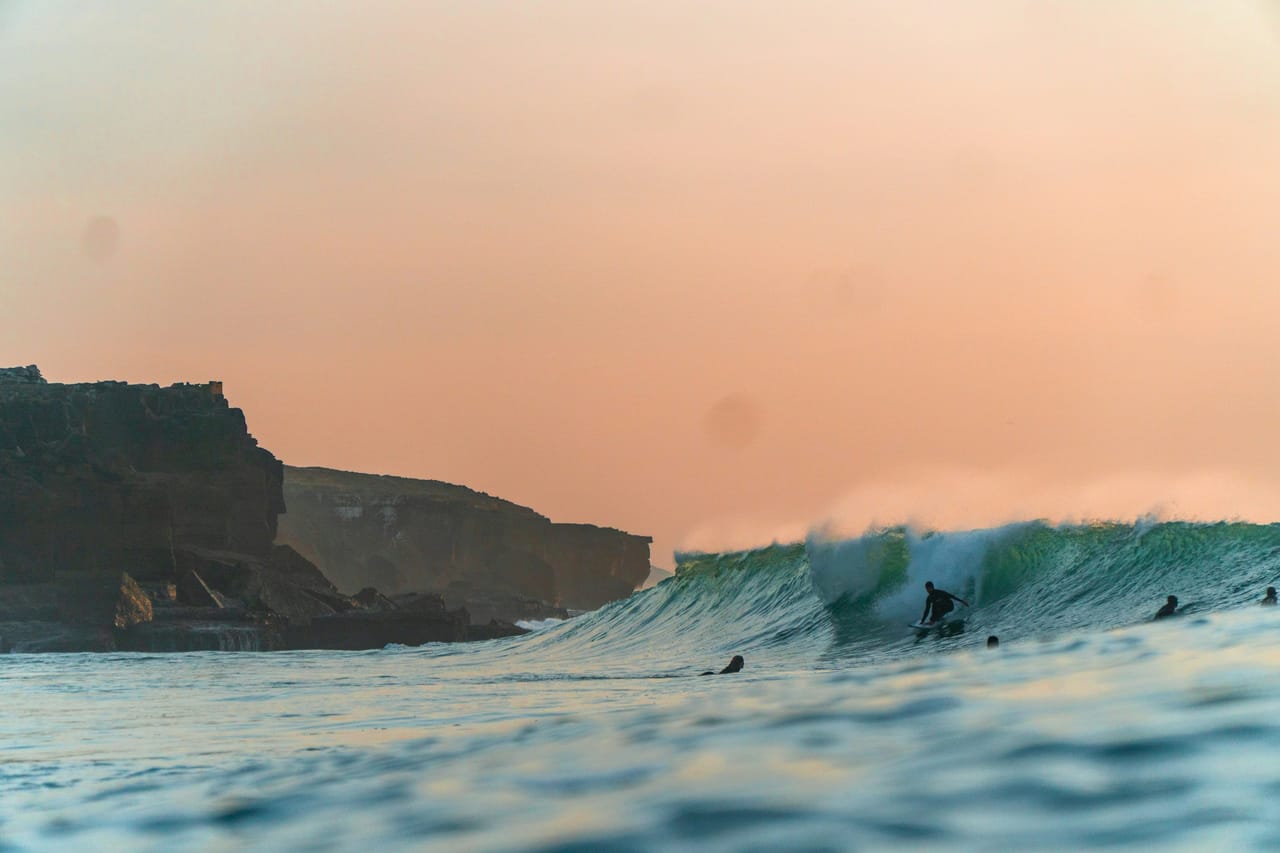
On Rote, beachfront land near Nemberala was trading around IDR 600,000 to 900,000 per square metre in early 2026, roughly $40 to $60, up from about $15 per square metre back in 2018. Everything behind the front row drops off sharply and trades case by case, because almost none of it is advertised and there is no reliable sample to publish.
Here is what our resident team actually sees on the ground, as of early 2026, drawn from real deals and conversations rather than listings:
| Plot type | Typical range (per m²) | Confidence | Notes |
|---|---|---|---|
| Beachfront, Nemberala area | IDR 600,000–900,000 (~$40–60) | Medium | First-hand deals, early 2026 |
| Second row, behind the front | Significantly lower, case by case | Low | Rarely advertised, small sample |
| Inland and village land | Significantly lower, case by case | Low | Often quoted as a lump sum, not per m² |
| Along the main road | Varies with access and power | Low | Frontage and PLN power do most of the work |
Put these Rote Island land prices in 2026 next to Bali and you see why transposing Bali logic wrecks a budget. Prime Canggu land was asking IDR 9 to 14 million per square metre, around $530 to $825, and even emerging Tabanan sat at IDR 1 to 3 million, roughly $60 to $180, at a reference rate of 16,981 IDR to the dollar 3. National-average roundups are worse than useless here, quoting figures like IDR 39 million per square metre that describe nowhere on Rote 4. The confidence column matters as much as the number. Trust the beachfront band; treat the rest as a starting point for a real conversation.
Per are, per plot, per square metre: getting the unit right
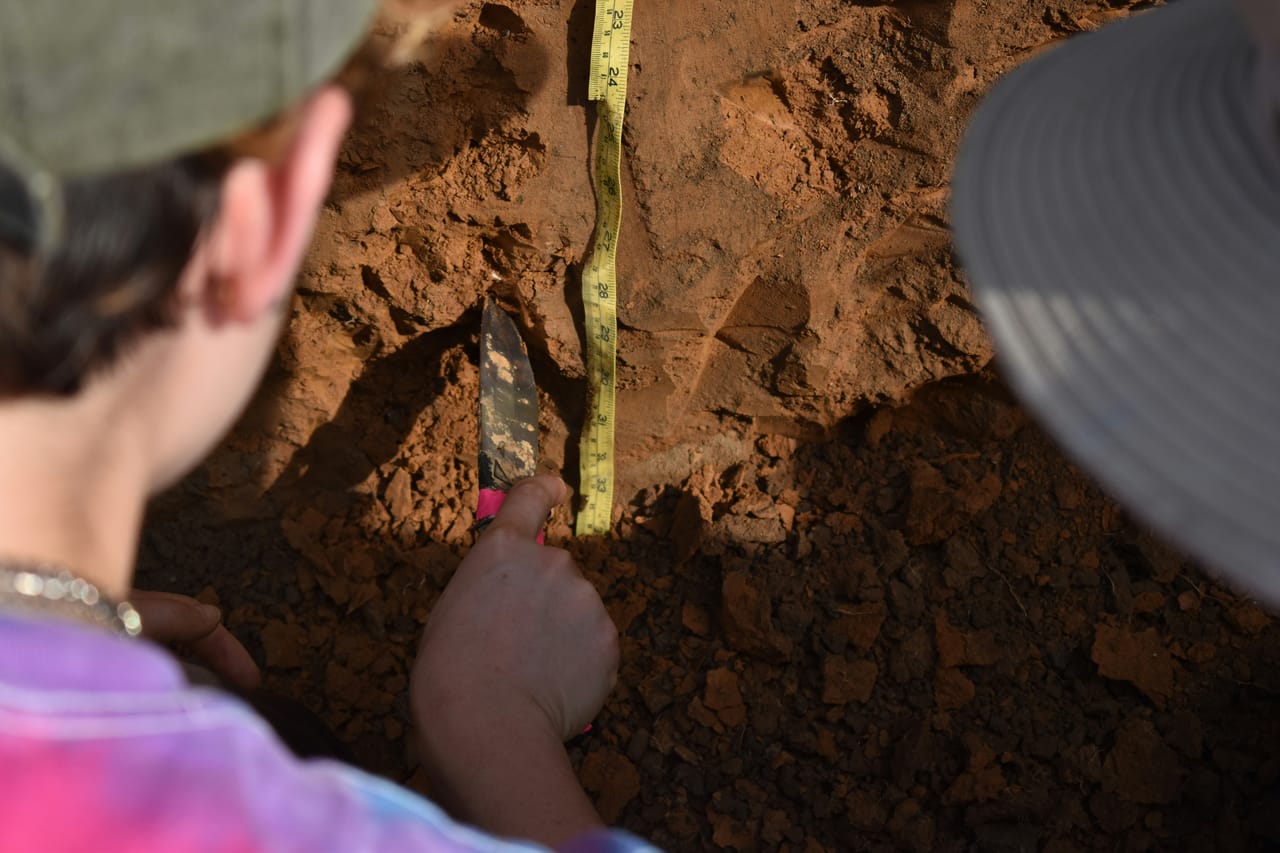
Half the confusion over a quoted price is just units. Get them straight before anything else.
- 1 are = 100 square metres
- 1 hectare = 100 are = 10,000 square metres 5
Land across Indonesia, Rote included, is usually sold or leased on a per-are basis and priced that way 6. So if a seller says a plot is 5 are at IDR 60 million per are, that is 500 square metres, and the price per square metre is 60 million divided by 100, which comes to IDR 600,000. Do that division every single time. Mixing up are and hectare shifts your read of the plot by a factor of 100, which is a mistake worth double-checking on every deal 5.
The catch you can’t skip is measurement. Plenty of sellers quote a lump sum for “the land from the coconut tree to the fence” and have no exact area in mind. Your first job, before you argue about the price per square metre, is to measure the thing.
What moves the price on this island
Competitors list prices by region and stop there. On Rote the region barely matters; these five drivers do almost all the work.
Beach frontage and what counts as “beachfront”
First line onto the sand and second row are two different products at two different prices. A plot with genuine frontage commands the top band above; step one row back, behind another owner’s land, and both the price and the appeal fall. Ask exactly where the boundary runs and whether public beach access crosses the plot, because on Rote locals expect to reach the water and that expectation travels with the land.
Road, power and water
A plot sitting 300 metres off the main road with no PLN electricity is not a discount version of a roadside plot. It is a different thing entirely. You are pricing in the cost and hassle of getting a track cut, poles run, and water sorted before you can build. Roadside land with power already at the boundary carries a real premium, and it is earned.
Distance from Nemberala and the breaks
Demand from long-stayers concentrates around Nemberala and the surf in front of it. Nobody sane buys Rote for a one-week surf trip, the waves are too few and too fickle for that, but people who settle in and wait out the flat spells eventually score the good days, and they want to be near them. That patient demand is what keeps the beachfront band where it is. The closer to the water and the breaks, the firmer the number.
How many people have to sign
Family land can have a dozen heirs, and a “cheap” plot turns expensive when you count the months spent getting every one of them to agree and sign. Across developing countries only around a third of land rights are formally registered, so unregistered, family-held land is the norm rather than the exception 7. Before you fall for a low price, work through certificates, borders and heirs and count the signatures, because a slow deal is a costly deal.
Who is asking
The same plot has two prices: the one a Rotenese family quotes to a neighbour, and the one it quotes when a foreigner is standing there. Whether land is marketed to local or foreign buyers is one of the clearest things that moves a figure in Indonesia 1. Being visibly a foreign buyer moves the number up, every time. That gap is the whole reason the last section of this piece exists.
Testing a number before you trust it
You can run this yourself before you believe any quote. It takes an afternoon.
- Convert to per square metre. Take whatever the seller said, per are or per plot, and reduce it to one number per m². Everything else compares against this.
- Place the plot in the driver table. Beachfront, second row, inland, roadside, power or no power. Ask honestly which row it belongs in, then check the quoted land price on Rote against that band.
- Ask what neighbouring plots went for, and who confirms it. Verifiable comparable sales are the hardest thing to find in any market, and near-impossible here, so a name you can call matters more than a number someone repeats 2. Land-only sales are scarce everywhere; one confirmed neighbour beats ten rumours 8.
- Check the certificate and who has to sign. Confirm the title status and the full list of heirs before the price means anything.
- Compare against the official tax value as a floor only. Look at the yearly property tax and the NJOP value to see the government-assessed figure, which sits under the market and is not a market price 9. Use it as a floor, never as a fair value.
- Price in the extras. Access, clearing, fencing and power all cost real money and belong in the number before you decide anything is cheap.
Buying the land is only the first cost
The plot price is where the spending starts. There is BPHTB, the duty on acquiring land and building rights, whose amount depends on local rules and the taxable value rather than the sticker price 1. There is the notary who handles the transfer. Then clearing, fencing and cutting access, and only after all that comes building a house here. Whether you take a lease or a title also changes what you are actually paying for, so weigh leasehold or freehold before you fix a budget.
When it makes sense to have someone local do the asking
Most of the good plots on Rote never reach the open market, and the ones that do carry the foreigner price. This is where the property finder earns its keep: we hear about land and houses before they are advertised, negotiate in Bahasa Indonesia at the local price, and work for a flat fee with no seller commission. Honest caveat, though. If you only want a quick plot at a headline price and aren’t serious about living here for the long term, you don’t need us, and we’ll say so.
Sources
Footnotes
-
How Much Money Do You Need to Buy Property in … expatica.com ↩ ↩2 ↩3
-
[PDF] Meeting Land Valuation Challenges - Appraisal Institute. appraisalinstitute.org ↩ ↩2
-
Bali Property Market 2026: Is It Safe to Invest During Global … prestigepropertybali.com ↩
-
Are and Hectare, Bali’s Land Units Explained Simply. thehostbali.com ↩ ↩2
-
[PDF] VALUATION OF UNREGISTERED LANDS - UN-Habitat. unhabitat.org ↩
-
Red Flags When Buying Property in Indonesia. expatica.com ↩