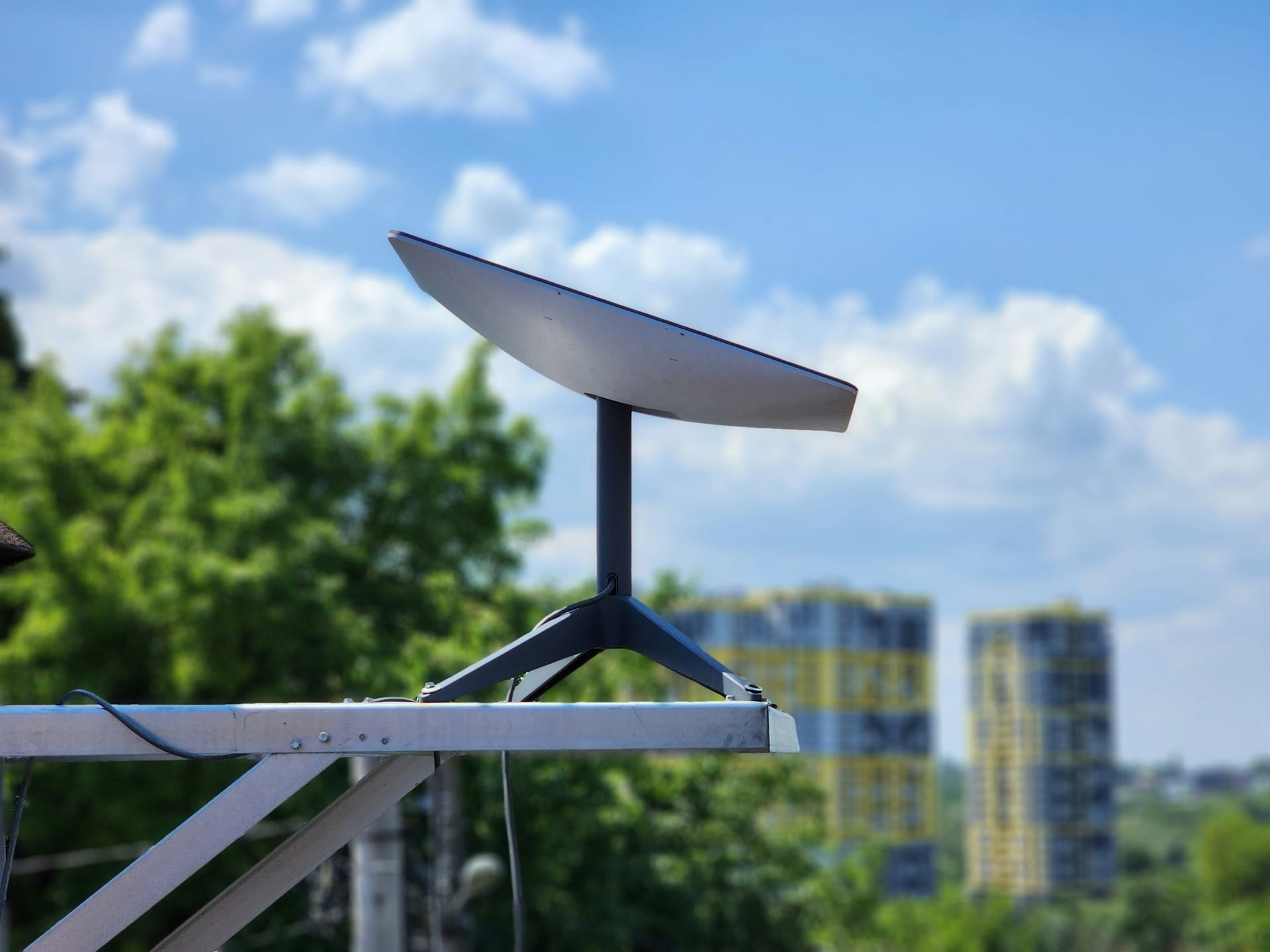
The first client call I held on Rote without apologising for a frozen screen, I actually noticed the silence. No buffering wheel, no “sorry, you cut out there,” no repeating the same sentence three times while the other person nodded at a still image of my face. That call happened because of a white dish bolted to a guesthouse roof. Starlink in Indonesia reached this island quietly in 2024, and for anyone trying to work from Rote Ndao it rewrote what’s possible here. It also left a few things exactly as broken as they were before, and those are the parts nobody warns you about.
So here’s the honest ledger from someone who pays for the dish, the power bill, and the backup SIM every month.
Before Starlink: what a working day looked like

Picture planning your entire workday around a cell tower. That was the old reality. You worked off 4G, and 4G on Rote gives you something in the range of 5 to 20 megabits down on a good afternoon, less when the island is busy or the weather turns. Email, fine. A Slack message, fine. A Zoom call with three people and a screen share, and you were gambling.
People scheduled calls for early morning because the network was less congested. They walked to a specific corner of a specific warung because the signal held better there. They pre-recorded video instead of going live. Uploading a 2GB file meant starting it before bed and praying it finished by morning. The island wasn’t offline, it was just marginal, and marginal is exhausting when your income depends on a stable connection. Anyone seriously weighing up living and working remotely from Rote back then had to accept that the internet would occasionally decide their day for them.
What Starlink actually fixed
Speed and stability, in one move. A Starlink dish here pulls roughly 50 to 75 megabits down on a normal day, sometimes more in the evening window, with ping low enough that video calls stop being a negotiation. The jump from 4G to Starlink on Rote Island isn’t incremental. It’s the difference between hoping a meeting holds and forgetting you were ever worried about it.
The practical wins stack up fast. You can run a full video call while someone else on the same connection uploads work. Large files move in minutes instead of overnight. Cloud backups actually complete. You stop rehearsing excuses. The pillar of all this is simple: a place that used to be a real problem for client-facing work became somewhere you can hold a meeting without flinching. If you want the raw numbers behind that claim, the difference shows up clearly in the internet speeds people actually measure across their working day at the spots where you’d really sit down to work.
What surprised me most was the psychological shift. When the connection is reliable, you stop thinking about it. That freed-up mental space is worth more than the megabits.
What it still doesn’t fix
Does Starlink work when the power goes out?
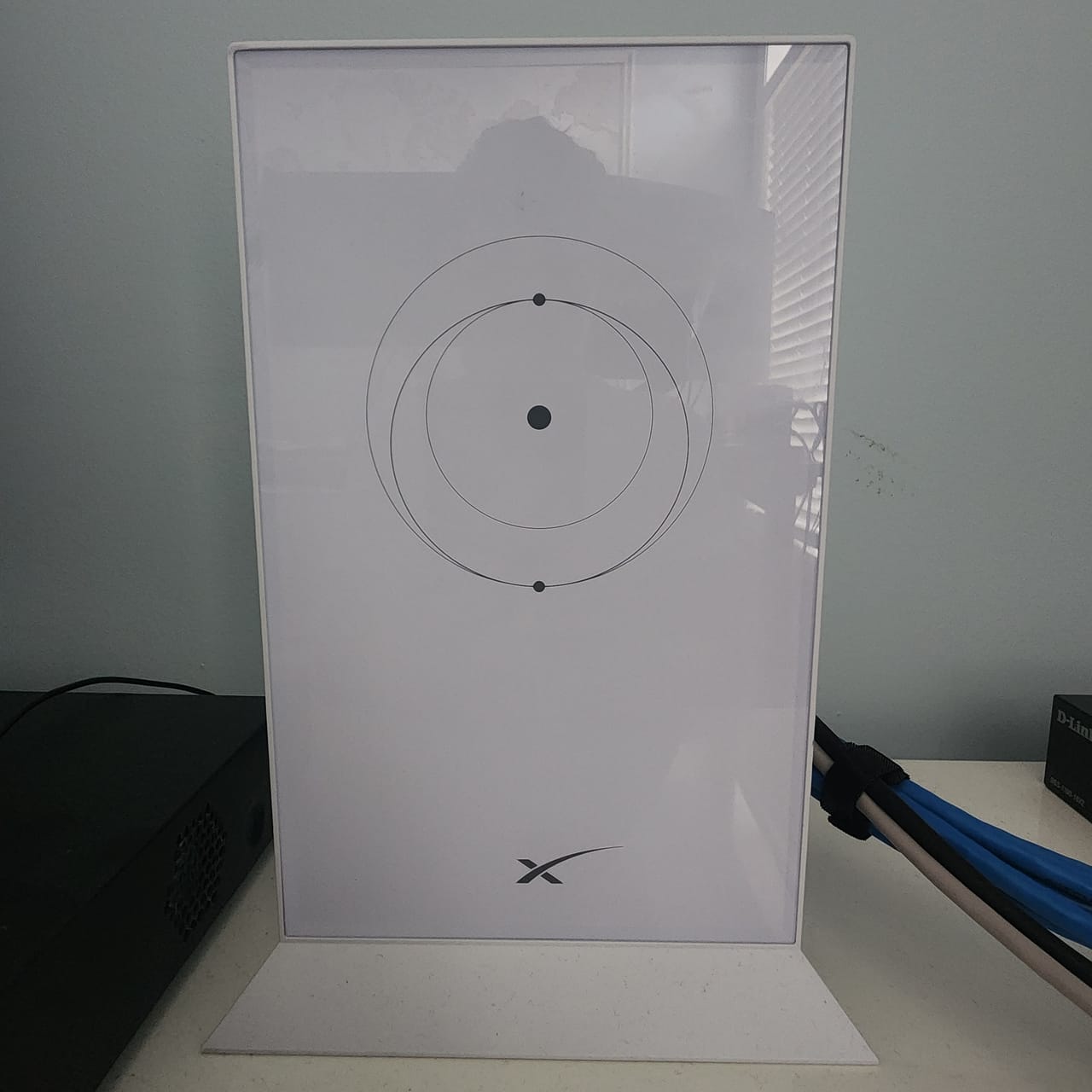
No. Not on its own. A Starlink dish needs mains electricity, and the second the grid drops, the dish is dead weight unless you’ve put it behind a UPS or a battery. Rote loses power regularly enough that this isn’t a rare edge case, it’s a weekly fact of life. Starlink is excellent when the power is on and worthless the instant it isn’t.
This is the single biggest misunderstanding I see from people planning a long stay. They fixate on speed and assume fast internet equals reliable internet. On Rote those are two separate problems. The connection can be flawless and still vanish because the electricity did, and the electricity here goes out for reasons ranging from scheduled maintenance to a storm to no announced reason at all. If you’re going to depend on being online, the real work is in how you handle the power cuts on Rote and the days you can’t take the call. A small UPS that keeps the dish and your router alive for a couple of hours turns a blackout from a crisis into a shrug. Without it, you’re back to 4G on your phone, assuming the tower near you has its own backup power, which it sometimes doesn’t.
A fast dish with no power backup is still offline every single time the grid drops. Budget for the battery before you budget for anything fancier.
Rain, wet season, and the weather question
Starlink handles light rain without blinking. Heavy tropical rain is a different animal. During the wet season, a genuinely hard downpour can drop your connection or slice your speeds for the duration of the storm. It usually recovers within minutes of the worst passing, but if your call lands in the middle of a squall, you’ll feel it.
This matters on Rote specifically because the wet season here isn’t a drizzle, it’s the kind of rain that drums on a tin roof loud enough to end a conversation. Independent researchers have built large longitudinal datasets measuring exactly this, tracking how satellite links behave across real weather over long stretches, and crowdsourced Starlink performance measurements confirm that heavy precipitation is the main environmental factor that degrades the signal.12 It’s real, it’s measurable, and on most days it’s a non-issue.
Humidity is the quieter concern. The dish itself is built for outdoor weather and copes fine. Your indoor gear is the weak link. Routers, laptops, and cables live a harder life in this climate than they would anywhere temperate, and that’s a maintenance reality worth planning for rather than a Starlink flaw. Keep airflow around your equipment and don’t seal a hot router inside a cupboard.
What Starlink actually costs here
The price splits into two parts, and people forget the second one. There’s the hardware, a one-off cost for the dish and router that lands as a meaningful up-front chunk. Then there’s the monthly subscription, which by remote-work standards is modest, cheaper than a month of decent coworking in most cities and easily justified if your income depends on being online.
For Starlink pricing in Indonesia, the monthly fee is the recurring number that matters, and the hardware pays itself back over a long stay the way buying beats renting. If you’re here for three to eight months a year, the maths is straightforward. Spread across a season, the dish cost disappears into the background and you’re left with a monthly bill that’s genuinely reasonable for what you get. For a two-week holiday, it makes no sense at all. This is gear for people who stay.
Two things on the money. Rupiah pricing moves, so check Starlink’s current rates rather than trusting a number you read months ago. And factor the power backup into the total. The UPS or battery that keeps the dish alive through a blackout is part of the true cost of reliable internet on Rote, not an optional extra.
Residential plan or the mobile plan?
For a long stay at a fixed address, the residential plan is the one that fits. Starlink’s residential service in Indonesia is tied to a set location and built for exactly this use, a dish that lives on one roof and serves one household or workspace month after month. It’s the right call if you’ve settled into a guesthouse or a rental for the season.
The roaming and mobile plans exist for people who move the dish around or can’t commit to a fixed address, and they trade some cost and priority for that flexibility. For most long-stayers on Rote who’ve found their spot, residential is simpler and cheaper over time. If you’re still bouncing between places while you decide where to base yourself, the mobile option keeps you covered without locking you down.
The setup that actually holds
One connection is a single point of failure, and on Rote single points of failure break. The setup that works here runs on three layers.
First, Starlink as your primary, doing the heavy lifting for calls, uploads, and anything that needs real bandwidth. Second, a UPS or battery sitting between the grid and the dish, so a power cut becomes two quiet hours instead of a dead afternoon. Third, a mobile connection behind all of it, so when the dish is down for weather or the battery runs out, you can still send the message that says you’ll be five minutes late. Getting the backup connection and the right SIM sorted is the cheapest insurance you’ll buy, and it’s the layer that turns a good setup into one you can actually trust with a paying client.
I’ve had all three fail in sequence during a bad storm with a long blackout, which is rare but it happens. The point of three layers is that two of them failing still leaves you working. Redundancy here isn’t paranoia, it’s just how you keep your income steady on an island where infrastructure occasionally takes the day off.
Who should actually bother
If you’re coming to Rote for a week or two, skip all of this. Work off your phone, lower your expectations, and enjoy the break. The dish is overkill and the setup time isn’t worth it.
If you’re planning three to eight months a year, building a life around remote work, or retiring somewhere you still need to video-call family and manage money online, Starlink changes the equation entirely. It’s the piece of infrastructure that moves Rote from “lovely, but I couldn’t work there” to “I could genuinely live here.” Pair it with power backup and a mobile fallback, accept that heavy rain will occasionally win, and you’ve got a working life on this island that holds up against anywhere.
The dish fixed the internet. It didn’t fix the power, the weather, or the need to think ahead. That last part is still on you, and honestly, once you’ve set it up right, you stop thinking about any of it and just get on with the work. Which was the whole point of coming here.
Sources
Footnotes
-
Crowdsourced Starlink Performance Measurements from https … ui.adsabs.harvard.edu ↩
-
WetLinks: a Large-Scale Longitudinal Starlink Dataset with … ui.adsabs.harvard.edu ↩