
You can fly in during July, dead centre of what every guide calls the season, paddle out to the reef you came for, and find it doing almost nothing. Waist-high, soft, the offshore not yet awake by nine. Nobody prints that part. The dry-season window gets quoted like a promise, and it isn’t one. It’s a container. The thing that actually decides your year on the island is how full that container gets, and when the fills arrive.
The Window Everyone Quotes, and What It Doesn’t Buy You
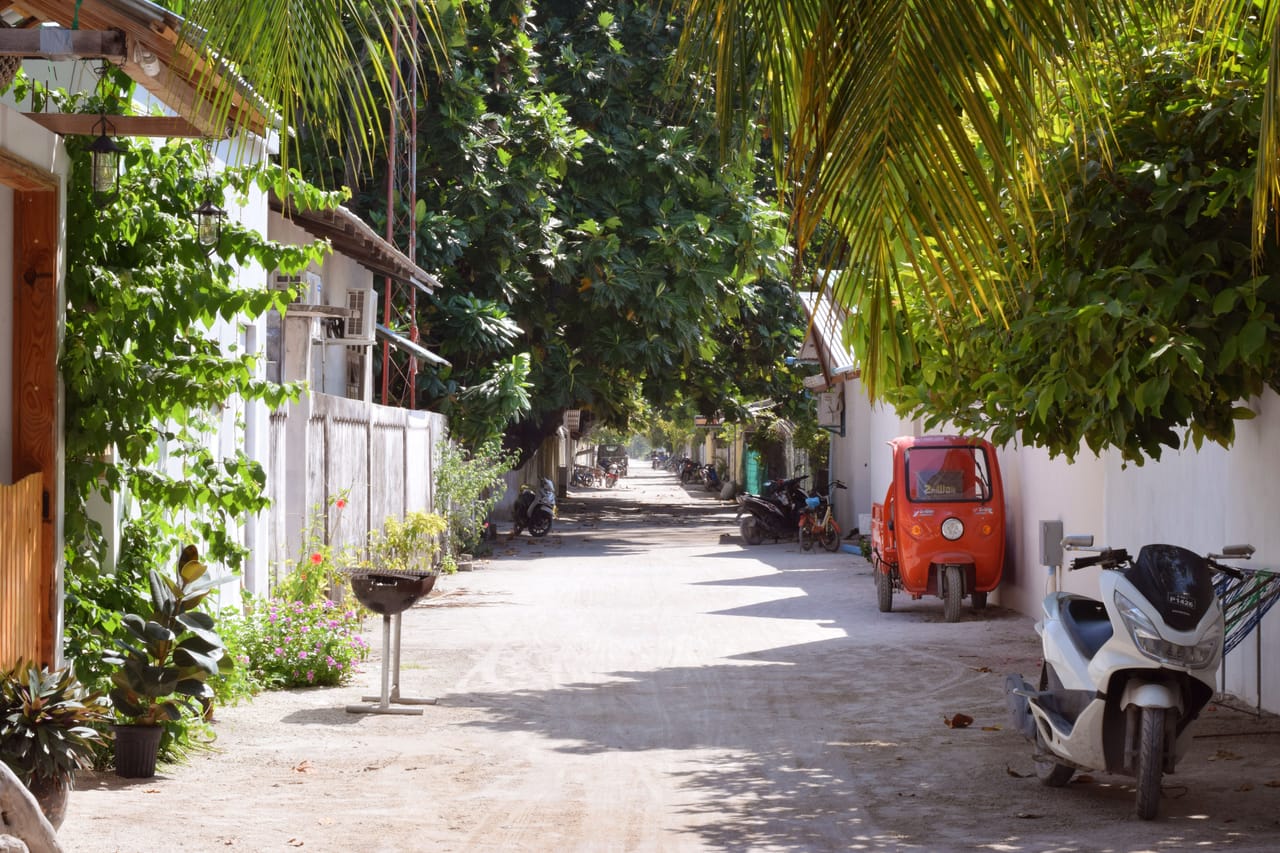
April to October. Ask ten sources and you get the same six-month answer. The surf season across Indonesia runs roughly April through October for the Lesser Sundas, dry and offshore, with the wet season swinging onshore from November. Narrow it to the island and when to come to Rote tightens to a May–October peak, with the trades blowing southeast off the reef most of the day. Both are correct as far as they reach. What neither answer tells you is frequency.
Here is the gap. A six-month window says the ocean is capable of working. It says nothing about whether it will be working on the specific morning you are standing on the reef with wax in your hand. Rote is a small place, 1,227 km² of low limestone topping out around 320 m, sitting at roughly 10.7° south 1. Small enough that one weather pattern sits over the entire island at once, so when it’s off, it’s off everywhere. The reef you’re surfing is young rock, Cenozoic marine sediment lifted out of the sea in geological yesterday 2, and it only shapes a rideable wave when the water arriving over it has the right shape too. Most days in the window, some of the ingredients show up. Fewer days, all of them show up together.
What Counts as a Good Day
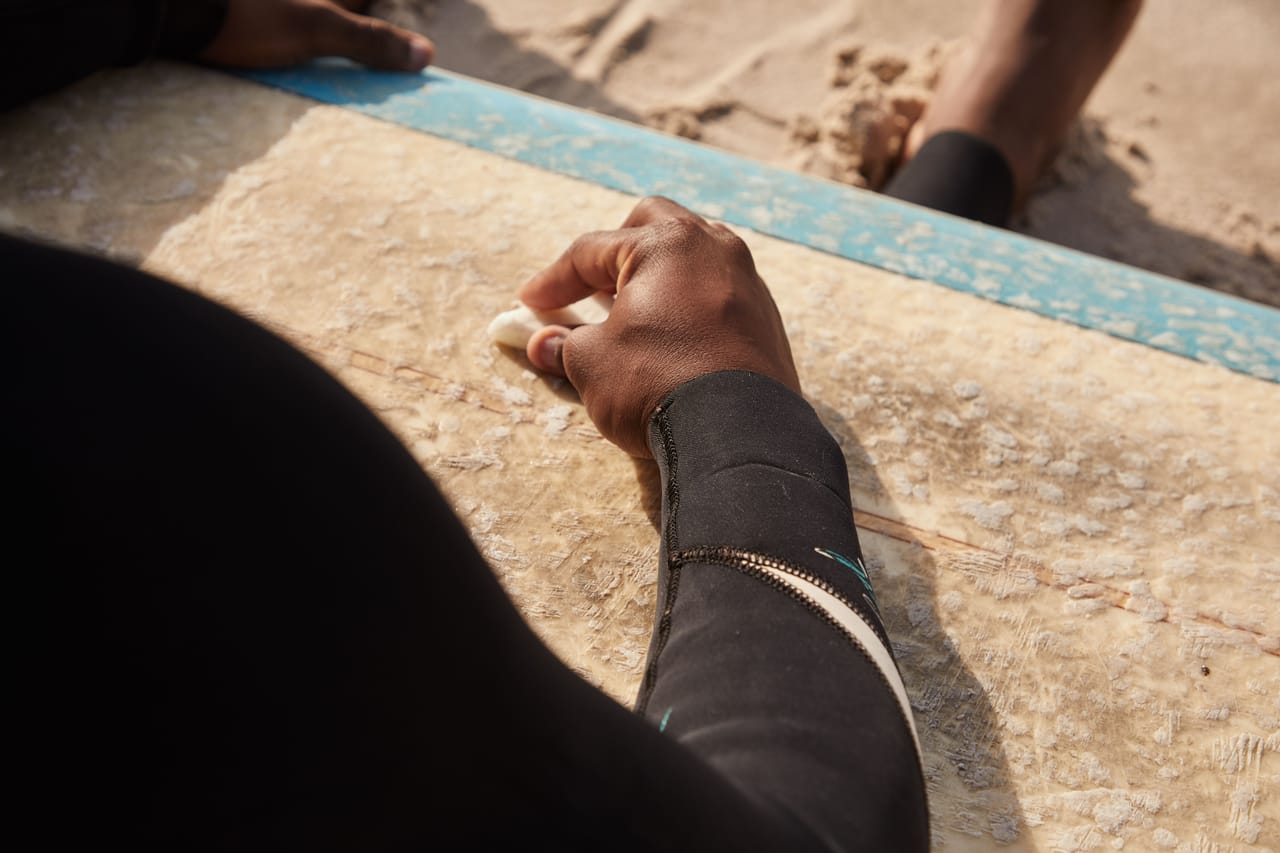
A good day is one morning when three things line up at the same time: a groundswell with enough period and the right direction, a tide sitting inside the window that particular reef likes, and a wind holding offshore long enough to surf it out. Miss any one and the wave still breaks, it just doesn’t hand you the session you came for. That alignment, not the month on the calendar, is what you are counting.
Take the ingredients one at a time. The clean swells that reach Rote are born a long way south, where storms push wind across open water for hundreds of kilometres. Fetch and duration decide the result. Both control how long the wind acts on the water, and a longer, steadier push builds the long-period groundswell that travels clean and hits the reef with order instead of chop 3. Direction matters just as much, because a swell that lights up one corner of the island slides straight past another. Then tide, which turns a reef from a shallow closeout into a workable wall over the space of two hours. Then wind, the one variable that can ruin a perfect swell in fifteen minutes if the trades wobble or come up late.
Line up all four and you have your morning. That’s the unit worth counting, and it is far rarer than “the season is on.”
Counting the Year Instead of Guessing at It
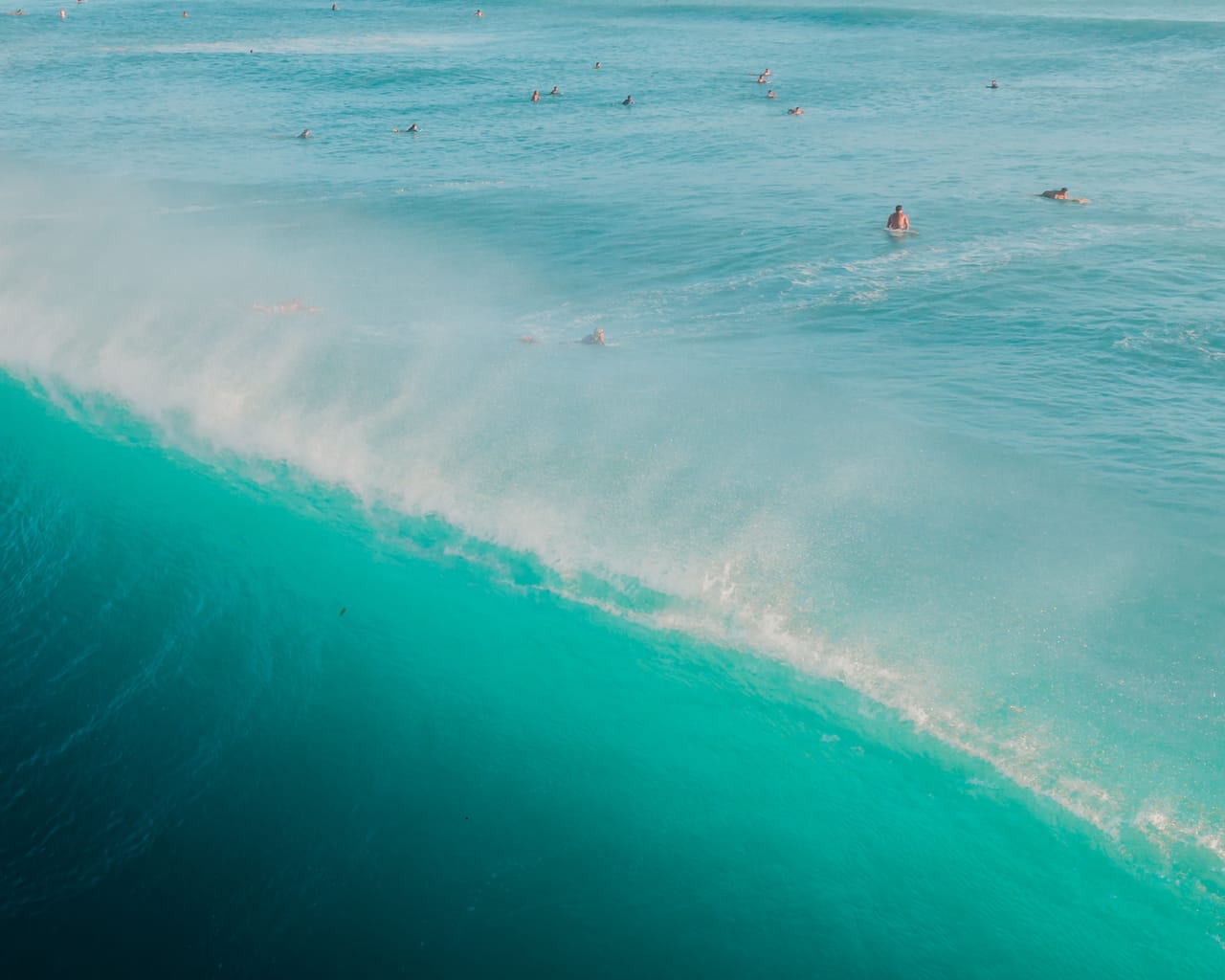
Weather people have a clean idea worth stealing here. Official climate normals are built from a uniform thirty-year run of daily records, and they work as two things at once, a ruler for judging today and a rough predictor of what’s likely next 4. One season on the island tells you almost nothing, the way one hot afternoon tells you nothing about the climate. Several seasons of your own notes tell you the real shape.
So keep a log. Every surfable morning, write down four things: swell period and direction, the tide, the wind, and whether it actually came together. Do that for one dry season and you stop trading in adjectives. You have a personal count, in your own handwriting, of how many genuine mornings this island gave you between May and October, and where in those months they clustered. The forecast does the near-term work, and the related searches around Rote’s named breaks already show people reaching for exactly that, a forecast rather than a calendar. Your log does the long-term work the forecast can’t, because it remembers what your specific reef does on a given combination.
The number surprises people the first time. It is smaller than “six months” implies, and that is the honest headline no booking page has any reason to print.
The Four Moods of the Surf Year
The year doesn’t run in two blocks, wet and dry. For someone living through it, it runs in four moods.
The peak, roughly May through October, is the dependable stretch. Trades stand offshore from dawn, the south groundswells arrive in regular sets, and the main reef at T-Land does its long, mellow thing. Reliable, and busy. This is when the boats run and the lineup fills, so the good mornings are shared mornings.
The shoulders, around March–April and again October–November, are the gamble. The trades soften and lose their grip, the crowd thins out, and the swing exposes corners of the island that sleep through the peak. This is the window that hands out the best individual sessions of the whole year to whoever happens to be standing there. It’s irregular, it can go quiet for a week, and then it pays bigger than July ever does.
Then the wet season, roughly December through February, when the ocean stops working for surfers on most of the coast. Onshore wind, the occasional cyclonic pulse from the northwest that arrives out of nowhere and just as fast is gone. The board can go quiet, though the same wind that kills the surf is exactly what makes kitesurfing in Indonesia worth rigging for on this coast.
This four-mood year is the whole argument behind slow surfing. The perfect, world-class mornings are real, and they belong almost entirely to the shoulders and the odd freak swell. You don’t book a week and buy them. You stay long enough to be present when one lands.
The Wave Calendar Is the Island Calendar
If you don’t surf at all, this schedule still runs your life on Rote, because the wind that grooms the reef runs everything else too. The dry trades that stand the waves up also carry the dust of the season, roughen the ferry crossing from Kupang, and decide whether the guesthouses are full or half-empty. The dry months are the loud, populated, dusty ones. The wet months are green, still, and quiet.
Even the birds keep to it. The land around the island logs thousands of wildlife records, with small resident species like the brown honeyeater and the flowerpeckers among the most frequently seen 5, and their year turns on the same rhythm of wet and dry that turns the swell year. When you learn to read the surf calendar, you have accidentally learned the calendar for the crossings, the crowds, the water tanks, and the price of a room. One schedule, wearing different clothes.
Which Months to Stay, Which to Hand the Keys Over
Here is where the count earns its keep for anyone on the island three to eight months a year. Build the long stay around the shoulders with the near edges of peak attached, roughly March into June, or September into November. You get the reliable mornings of early and late peak plus the chance at the shoulder’s best days, and you dodge both the thickest crowds of mid-peak and the dead water of full wet season.
The flat spells inside that stretch are not wasted time. They are when you catch up on everything the surf costs you, and when a chipped rail or a cracked nose gets sorted, because a stay this long means you’ll need ding repair at some point whether you plan for it or not. If your budget or your visa forces a choice of which months to hold the house and which to hand the keys to someone, the wet middle, December through February, is the stretch most long-stayers hand over. The ocean isn’t asking you to be there, and the flights home are cheaper.
Count your own mornings for one season and you’ll never again mistake the window for the wave. The window is generous. The wave is picky. Living here is the slow art of being on the reef the mornings the two agree.
Sources
Footnotes
-
Rote Island — dati (Wikidata). wikidata.org ↩
-
Geologia dell’area di Rote Island (Macrostrat). macrostrat.org ↩
-
Surfing — Wikipedia. en.wikipedia.org ↩
-
U.S. Climate Normals. ncei.noaa.gov ↩