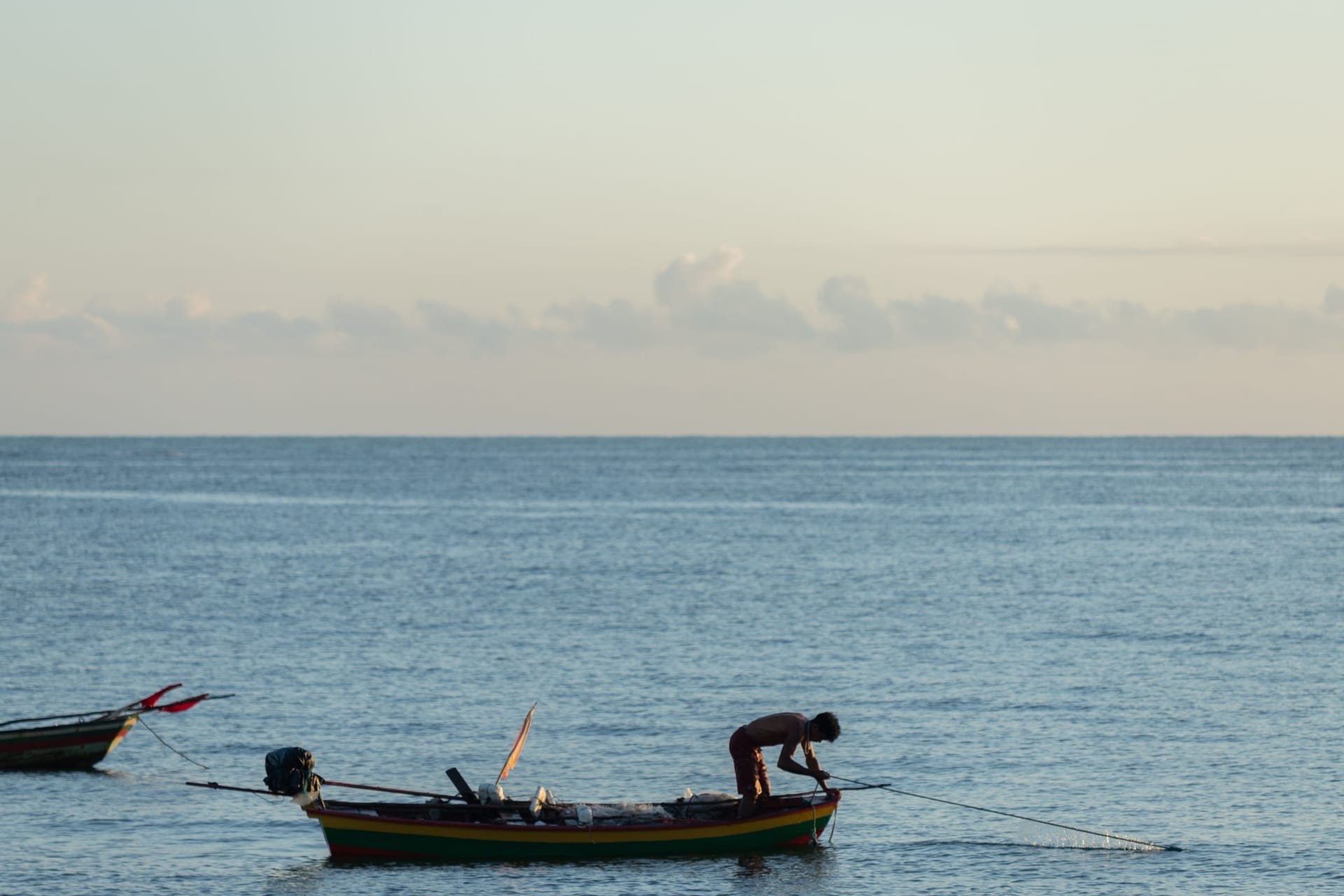
The wave you want breaks twenty minutes off Nemberala, over a coral shelf you can’t paddle to, and reaching it comes down to knowing whose phone to call the night before. Resorts sell that boat ride as part of the room. When the island is your home and there’s no package with your name on it, the whole thing runs on a different set of rules, and almost nobody writes them down.
That’s the gap this covers. Not which reef breaks best or how many minutes to each one, which the Rote surf spots already lay out reef by reef. This is about the boat itself: who owns it, how you reach them, how the price forms, and who gets to say the sea is too big to go.
What “the outer reefs” actually means here
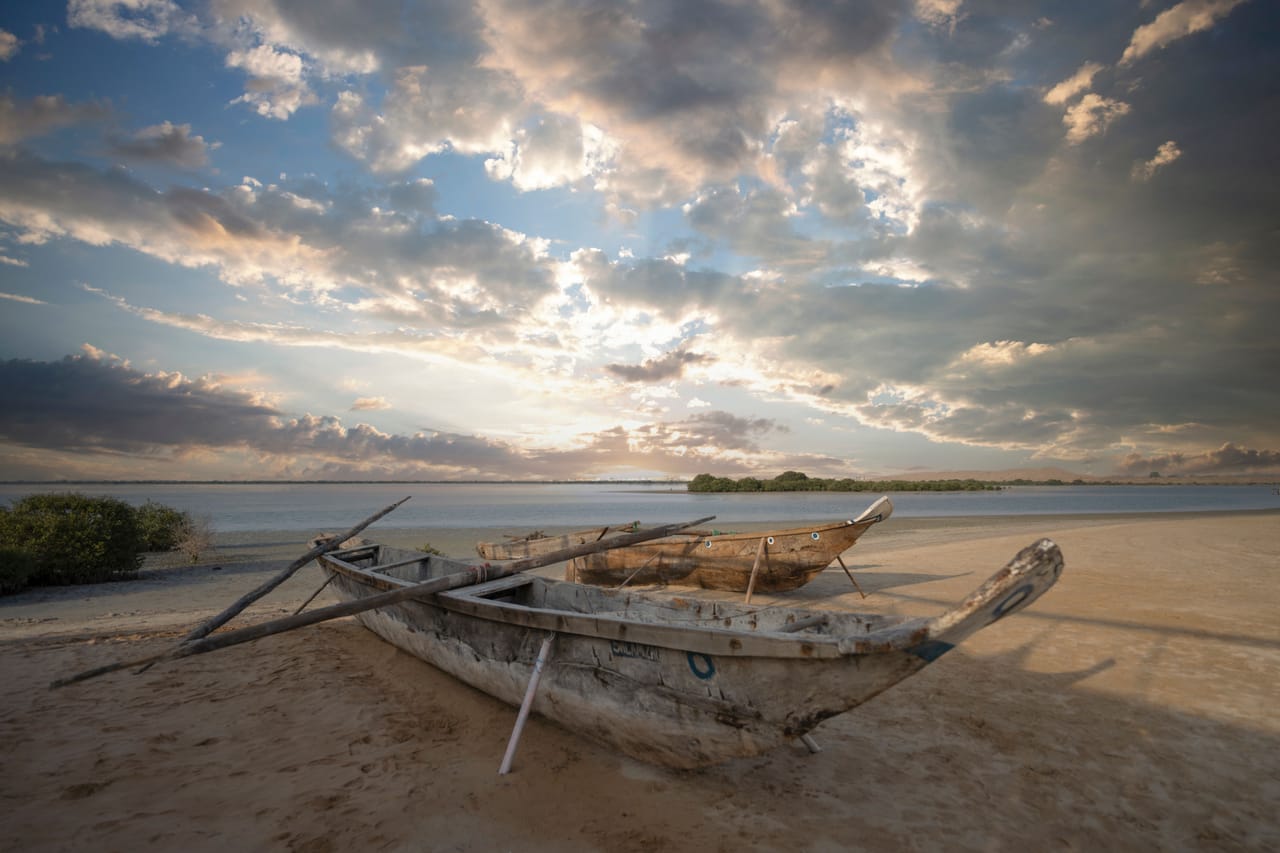
Rote is 1,227 square kilometres of rolling hills and terraced plantation dropping into shallow reef along the south and west 1. The breaks that matter to surfers sit on coral shelves offshore, past the beach and past the lagoon, on ground you reach by hull or not at all. Some are a short hop. The Bombie is roughly ten minutes out, close enough that the boat doubles as your line-up marker and your insurance against the channel current. Others, like Oeseli, sit far enough down the coast that the whole morning has to be built around a tide window and a captain who agrees to sit through it.
Boats have carried people, copra and cargo between these islands for generations, riding seasonal winds that decide when a crossing is sensible and when it isn’t 2. That older logic still runs underneath the surf trip. You’re not booking an excursion. You’re borrowing a working boat and the man who reads the water for it.
One thing to keep straight from the start. The boat to the reefs has nothing to do with the boat that brings you to Rote. Getting onto the island is the ferry-and-fast-boat problem out of Kupang, a separate world of schedules and seasonal cancellations. What follows starts once you already live here and the reef is the only thing between you and the water.
Who you call, and when
There’s no booking desk. The boats belong to fishermen and a handful of local captains around Nemberala and Bo’a, and you reach them the way you reach anyone on the island, through the person who introduced you or the warung owner who knows everyone’s cousin.
The rhythm is simple once you’re inside it. You call the evening before, not the morning of. A captain needs to know by night whether to fuel up and skip his own fishing, because a surf run and a fishing run are the same boat and the same day. Text or a quick call, a rough time, how many bodies, which stretch of coast. He’ll tell you if the swell direction makes it pointless before you waste the diesel.
If you’re new and don’t have a number yet, the honest move is the one the Telaga Nirwana crossing runs on too. You arrange it through someone who knows the captains, never by walking the beach and hailing the first hull you see. The beach price is the stranger’s price, and the stranger gets the boat that leaks.
What it costs, and why nobody publishes a price
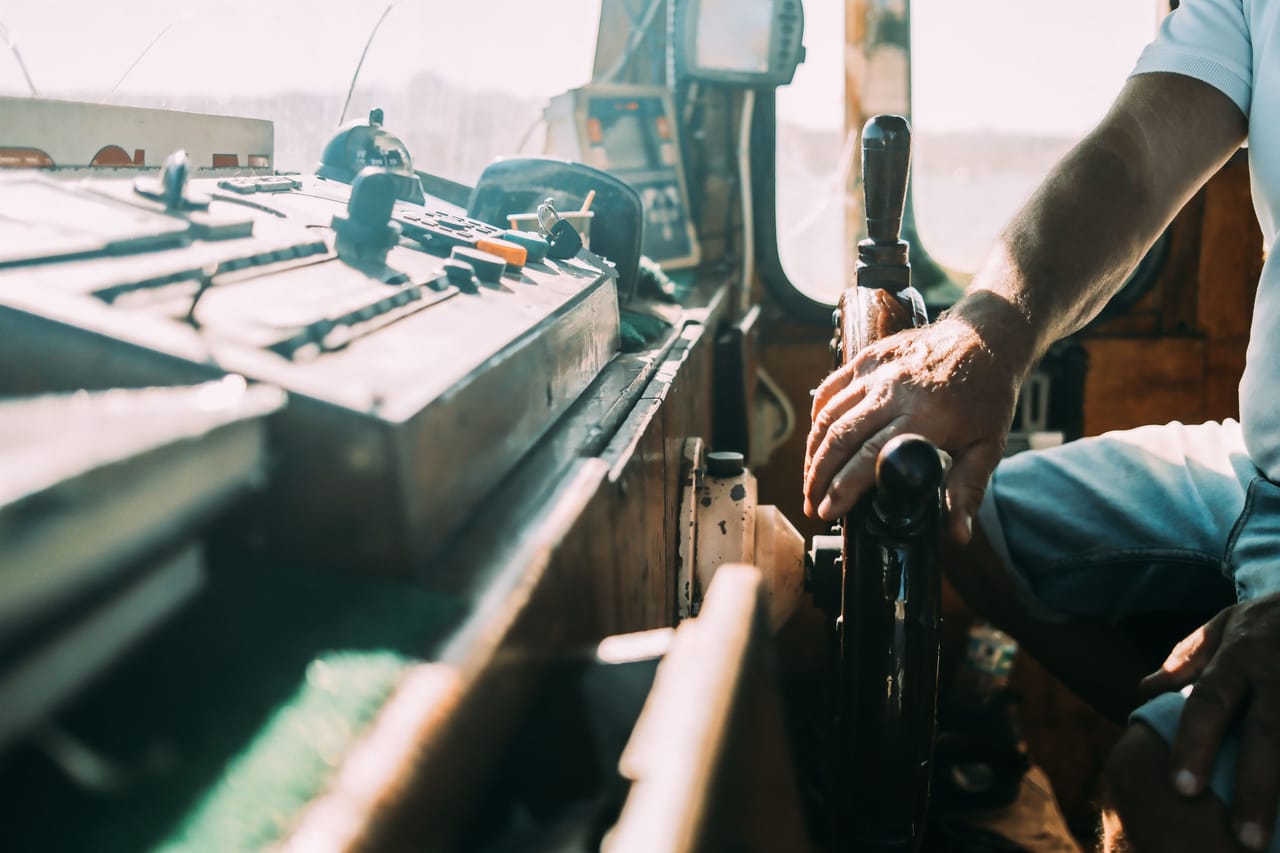
You won’t find a rate card, and anyone who hands you one is selling a package. The cost of a reef run isn’t a fare. It’s a sum you build on the spot out of four moving parts.
Fuel is the first and biggest. A run to Ndao at thirty-five minutes each way burns more than a ten-minute hop to the near breaks, and diesel on a small island is never cheap. Second is the captain’s day, because saying yes to you means saying no to a morning of fishing, and that lost catch is priced in whether he says so or not. Third is how many of you split it, since the boat costs the same with two aboard or five. Fourth is how long you hold him there, an hour on a quick session against a full tide cycle at a break like Sucky Mamas a few kilometres offshore.
For scale on how prices move on this island rather than for the reef itself: the Kupang ferry ran at 80,000 rupiah for years, then climbed to 202,000 by 2023 3. Fuel and diesel don’t sit still, and a number someone quotes you this season means little the next.
All of it is settled in Bahasa Indonesia, at the boat, before you leave. Bring the negotiation and enough cash, agree the figure out loud, and don’t expect change on the water. Learning to have that conversation is part of living here, the same practical self-reliance behind surfboard repair when the nearest shaper is a flight away.
Choosing the day is the hard part
The boat is the easy part. The captain, the fuel, the price, all of it sorts itself out in a phone call. What actually wrecks a reef morning is the decision to go on the wrong day, and no operator will make that call for you.
A boat commits a whole window. Once you’ve paid the diesel and pulled the captain off his fishing, you’ve spent the morning whether the wave shows or not. A hole in the forecast, a swell that arrives late or drops overnight, a wind that swings onshore by nine, and the twenty-minute ride out becomes a twenty-minute ride back with nothing in between. Reefs like Ndana sit thirty minutes from Nemberala over tricky anchoring and coral heads, and burning that run on a maybe is how you learn to read the charts yourself.
This is where the slow approach earns its keep. The whole idea behind slow surfing is that you’re here long enough to wait, so you don’t have to force a mediocre day into being worth a boat. You watch the swell build over three days, you feel the wind settle, and you spend the diesel on the morning that’s actually loaded. Someone on a week’s trip can’t afford to wait. You can.
Buying a trip versus having a captain
There are two ways to be on that boat, and they’re not the same experience.
The first is transactional. You pay a stranger for a ride, he drops you at the break, he waits with one eye on his phone, and the relationship ends when you step back on the beach. It works. It also costs more, tells you nothing about the reef, and leaves you exposed the day the current at a boat-only break like Doo does something the captain didn’t bother to mention.
The second builds over months. You use the same captain enough times that he learns your surfing, your tolerance, the tides you like. He starts calling you when a swell lines up instead of waiting to be asked. He anchors closer, watches longer, warns you earlier. The price softens because you’re no longer a tourist, you’re a regular whose diesel he can count on. That relationship is worth more than any package amenity, and it’s the one thing a resort structurally can’t sell you, because the resort is the middleman it would cut out.
The same boat does more than surf
Plenty of long-stayers who read this will never surf a reef in their life, and the boat still matters to them, because on an island the sea is the road.
The captain who runs you to a break also runs you to the small islands off the coast, out to Ndao and the fishing grounds, or across to the waters where spearfishing and freediving actually happen. The same hull carries you to snorkelling shelves, to a stretch of empty sand you can’t reach by scooter, to a friend’s place down a coast with no road. For someone spending three to eight months a year here, a captain on call is mobility, the way a second car is mobility somewhere else.
The reward for that access is the quiet stuff, not the wave. Rote’s waters and shoreline hold real biodiversity, more than three thousand recorded species observations in the area around the island, from honeyeaters to swiftlets working the coast 45. You notice it from a slow boat on a flat morning, drifting between islands, in a way you never do from a resort shuttle running to a fixed break and back. The boat you learned to organise for surf turns out to be the one that opens the rest of the island.
Sources
Footnotes
-
Rote Island — dati (Wikidata). wikidata.org ↩
-
The Geography of Sea Transport. books.google.co.id ↩
-
Rote Island — Wikipedia. en.wikipedia.org ↩
-
Geologia dell’area di Rote Island (Macrostrat). macrostrat.org ↩