
By seven on a Tuesday morning the road into Ba’a is lined with motorbikes parked nose-first, women unloading baskets of long beans and bundles of greens still cool from the truck. If you want to understand market day in Indonesia, this is where it starts: not with a menu of things to buy, but with a rhythm. Learn the rhythm and the whole system makes sense, whether you land on Java, Bali or a small island in the east like Rote.
Here is the short version. In Indonesia, many traditional markets, the pasar, don’t run at full strength every day. A town holds a main market day, often weekly, when sellers come in from the villages, plus a smaller daily market for basics like eggs, rice and chilli. Go early, bring small cash, and expect prices quoted per bunch, per pile or per piece rather than per kilo. Once you shop weekly instead of once as a tourist, the difference between a good week and a wasted trip comes down to knowing which day, which hour, and what a fair price actually looks like.
How market days work in Indonesia
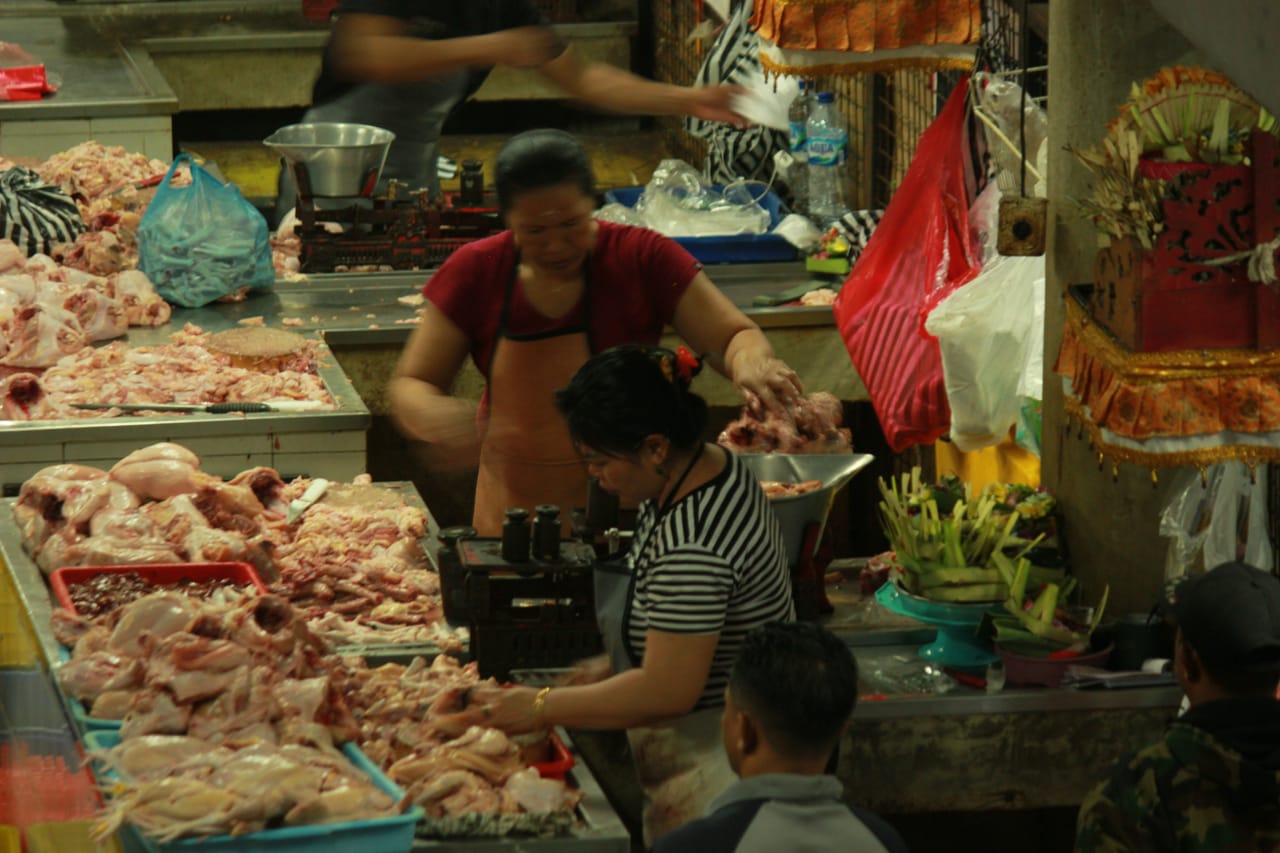
The Indonesian traditional market grew out of a very old habit. Markets across the archipelago traditionally ran on a set cycle rather than every day, and in Java that cycle still leaves its fingerprint. The Javanese calendar has a five-day market week with its own day names, Legi, Pahing, Pon, Wage and Kliwon, and academic work on markets in Bantul still finds economic activity fluctuating on that five-day rhythm today 12. Old inscriptions mention the pken, the market, centuries back, and some markets are still named after the day they were held 1.
Most people don’t need the history. They need to know which day their town wakes up.
The big day and the small daily market
The main market day pulls sellers in from the whole district at once. On Rote, the largest is Pasar Ba’a, open Tuesdays only from about 06:00 to 10:00, and it is where prices are best on the island because supply is thickest that morning. Nembrala’s side of the island has its own version, Pasar Delha just to the north, also Tuesdays only, 06:00 to 10:00 3. Outside the big day you fall back on the small daily market. In Ba’a that is Pasar Metina, the one place open every day, where you top up on eggs, rice and chilli without waiting for Tuesday to come round again 3.
Rotating markets and hari pasaran
The rotating village market is a Javanese tradition more than an eastern one. On Rote you won’t chase a market that hops from village to village on a five-name cycle; the pattern here is simpler, a fixed weekly big day plus a daily fallback. If you move around Indonesia, though, expect the Javanese pasaran to matter more the closer you get to central Java, and always ask a neighbour which day is hari pasar before you build your week around it.
When the market goes thin
Rote is a Christian island, so Sunday is quiet by design. Sellers go to church, the daily market runs on skeleton staff, and the good stalls simply aren’t there. The same thinning happens around the big public holidays, when villages keep produce back for their own tables. Plan your real shop for the Tuesday and treat Sunday as a bread-and-eggs day.
| Type of market | When | What it’s for |
|---|---|---|
| Main market day (e.g. Pasar Ba’a) | One day a week, early morning | Fish, greens, the week’s real shop, best prices |
| Daily market (e.g. Pasar Metina) | Every day | Eggs, rice, chilli, top-ups |
| Sunday / holidays | Reduced | Basics only, come with low expectations |
What to buy at the market (and what not to bother looking for)
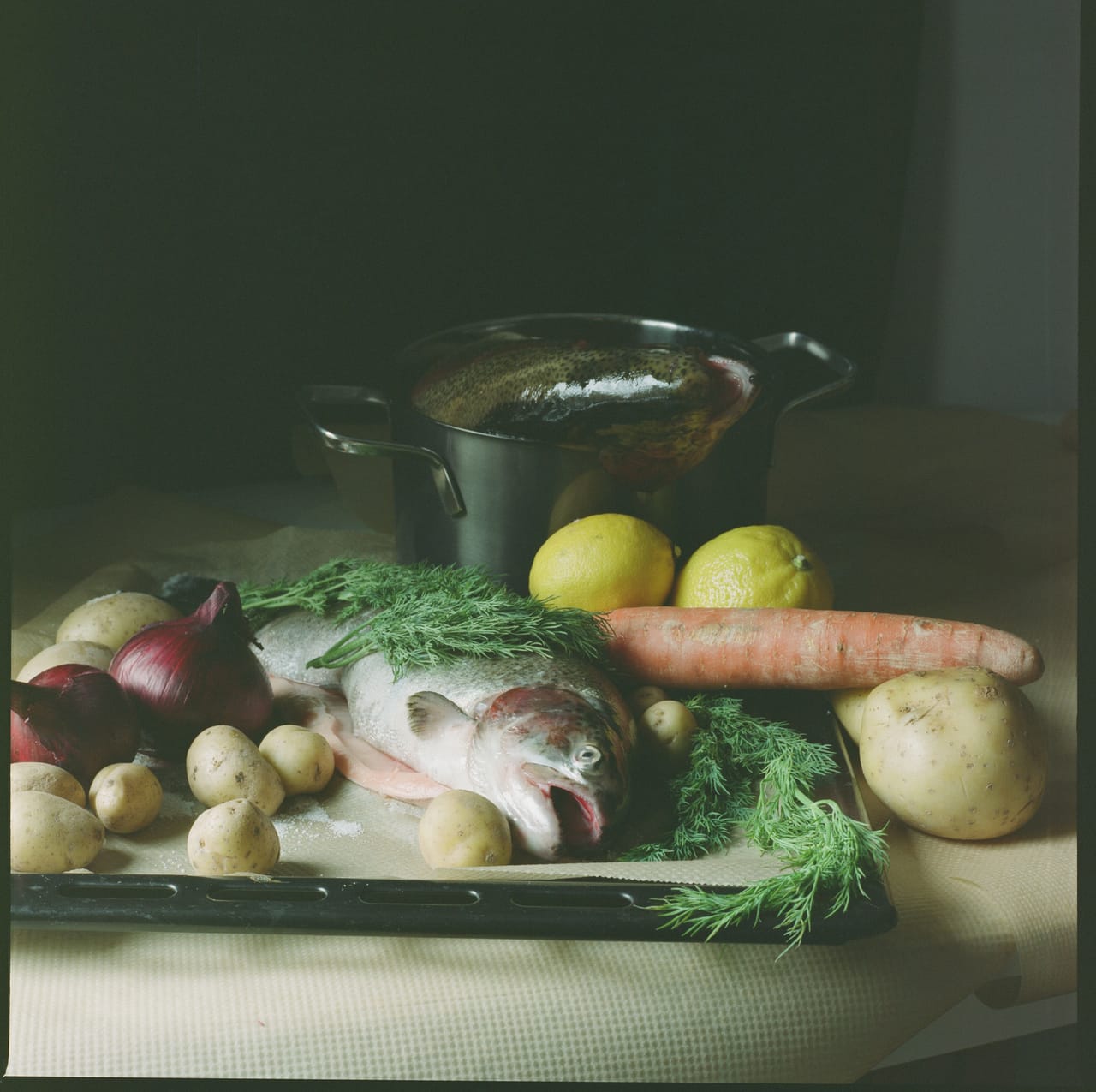
The traditional market wins on anything grown or landed within a boat ride. It loses on anything that crossed a sea to get here. That single decision rule will save you more money and frustration than any bargaining trick. If it isn’t caught, grown or raised locally, it isn’t really at the pasar, and hunting for it there wastes your best hour of the day.
| Buy at the pasar | Buy elsewhere or bring in |
|---|---|
| Fish and live crab | Good coffee (grown up-country, roasted badly) |
| Greens, long beans, water spinach | Cheese and butter |
| Chilli, shallots, garlic | Specialist spices and baking gear |
| Tubers, dried corn | Specific cuts of meat |
| Eggs, local rice | Anything imported or branded |
| Palm sugar and lontar syrup |
The one local product worth naming on its own is lontar palm syrup and sugar, which turns up at the Rote market in a way it won’t anywhere in Bali. Smoked beef in the local style, sei sapi, and dried products from the island’s seaweed farming round out what the island actually produces for itself.
For everything on the right-hand column, Kupang is your supply line. Coffee is a good example of why. Indonesia is the world’s fourth-largest coffee producer, but harvests run island by island on their own schedule, and buying off-cycle means old crop at peak prices 4. Decent beans, real cheese and baking supplies come over on the ferry or in your luggage from Kupang, not from a stall in Ba’a.
When to go: the hour, the week and the season
The hour
Early is not folklore. Indonesian traditional markets start trading before dawn, often around 04:00 to 05:00, and the advice everywhere is to arrive before 07:00 for the freshest produce 1. The floating-market tradition in Banjarmasin runs from first light until about eight in the morning, and the same logic holds across the country: local buyers come early to get the freshest fish, meat and produce before it’s picked over 5. On Rote the shorthand is blunt. By nine the good fish is gone, and by ten the Tuesday market is winding down. Heat closes the market as much as the clock does.
The season
Rote sits at 320 metres at its high point across 1,227 square kilometres of mostly low, dry country 6, and the seasons swing hard. The dry months burn the greens back and push tomato and leaf prices up as supply thins. The wet season does the opposite to fish: when the weather turns, the boats stay in, and a run of bad days empties the fish tables no matter how early you arrive. Roads that were fine in July turn slow in the rain, which slows every seller coming in from a village.
| Dry season | Wet season | |
|---|---|---|
| Greens, tomato | Scarcer, pricier | Plentiful |
| Fish | Reliable | Patchy, boat-dependent |
| Roads / supply | Fast | Slow |
The calendar
Demand spikes before the big dates. Christmas and Easter on a Christian island lift prices on meat, flour and sugar for weeks beforehand, and local ceremonies do the same on a smaller scale. On Rote the biggest private drivers of demand are weddings and funerals, which can clear a village of pigs and buy up flour and sugar by the sack. Shop around those events, not into them.
How the prices work
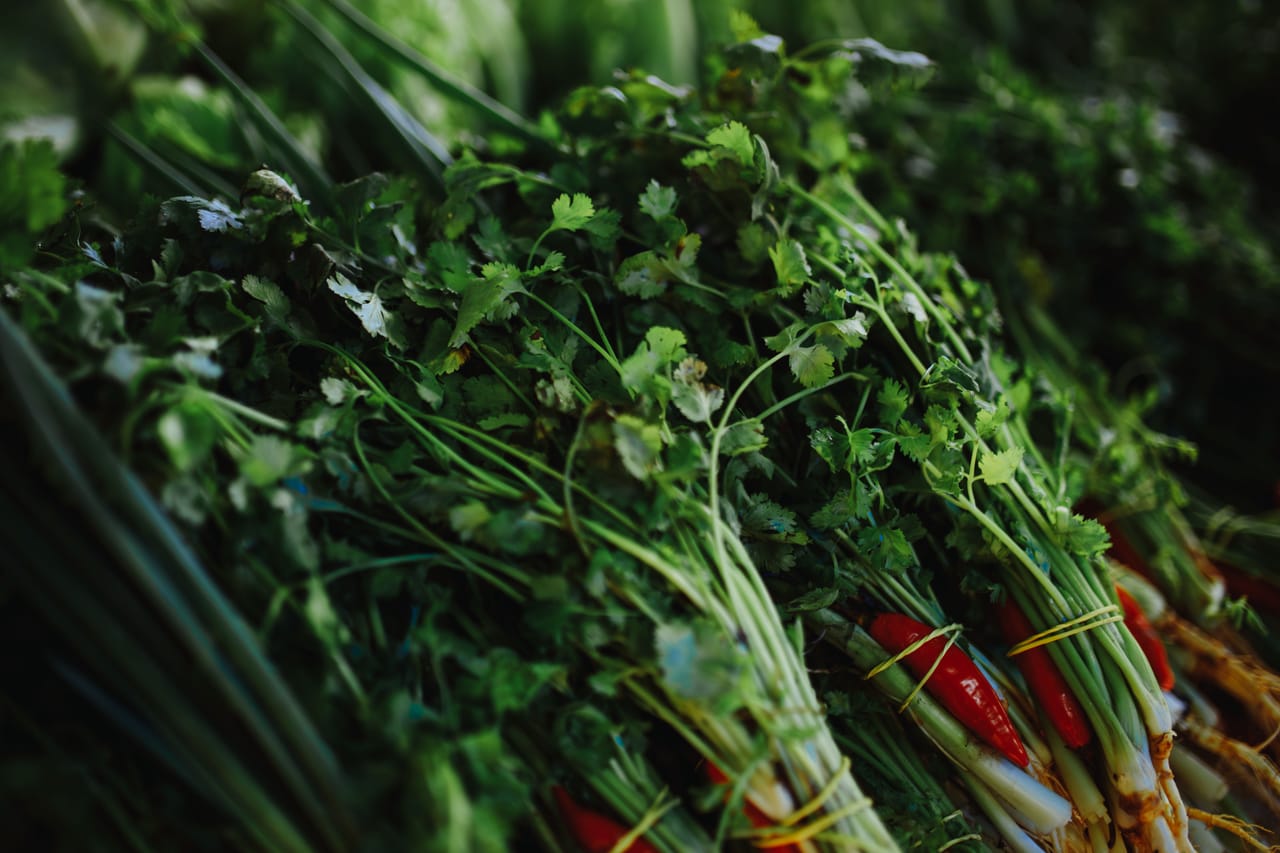
Nothing carries a tag. Government statistics agencies track prices for inflation indices, but that machinery lives far from a stall selling greens off a mat 7. At the pasar the price is spoken, and it is quoted per unit. You cannot compare two stalls until you know which unit each one is using.
| Term | Meaning | Typically sold this way |
|---|---|---|
| ikat | bunch | greens, long beans, water spinach |
| tumpuk / onggok | pile | tomatoes, chillies, small tubers |
| ekor | per head | fish, crab, chicken |
| butir | per piece | eggs |
| kg | kilo | rice, shallots, garlic, sugar |
What moves a price
Three things move produce prices, and none of them is your nationality. Harvest and season come first, boat and weather days for fish come second, and freight comes third. Anything that isn’t grown on the island carries the cost of the ferry from Kupang on top of its base price, which is why a kilo of imported garlic feels dear next to a pile of local shallots.
For a sense of scale, the national reference prices give you a floor to argue from. Medium shallots run around Rp 37,450 a kilo nationally, garlic near Rp 39,000, fresh chicken about Rp 42,050 a kilo, medium rice around Rp 16,600, and red curly chilli near Rp 69,250 a kilo 8. At roughly Rp 16,000 to the US dollar, that shallot kilo is about USD 2.30. On a small island, expect local produce at or below those numbers and imported goods above them.
Bargaining, and why food is different
The souvenir-market rule you’ll read everywhere, open at half the asking price and haggle up, is real for crafts. A general guide will tell you to start at fifty percent of the seller’s price and meet in the middle 1. That rule is wrong for food. Margins on greens and fish are thin, the seller is often the grower, and grinding a woman down over the price of a bunch of kangkung looks bad in a town where you’ll see her again next Tuesday. Even the bargaining guides admit that if the gap is only a couple of thousand rupiah, about fifteen US cents, you just pay it, because that change matters more to the seller than to you 9.
The thing that actually lowers your bill is becoming a langganan, a regular. Buy from the same fish seller every week and the price settles without a word, you get first pick before the crowd, and on a bad-weather day she keeps something back for you. Relationship pricing beats haggling on a small island, every time.
Cash, bags and the small practicalities
Bring small notes. Sellers rarely break large ones early in the morning, and the standard advice is to carry Rp 2,000, 5,000 and up to 20,000 notes for change 1. Bring your own bag; produce comes loose or in thin plastic. Come on foot or by bike if you can, because market lanes are congested and parking is chaos 1. And come with a rough list but a flexible plan, since the best buy on any given Tuesday is whatever came in freshest that morning.
Traditional trade still holds the largest share of everyday shopping in Indonesia, and one reason people stay loyal is that its pricing feels consistent and fair rather than the loss-leader games of the big chains 10. On Rote, where the ferry sets the terms and the weather sets the supply, the Tuesday market isn’t a quaint alternative to a supermarket. For most of what you’ll cook, it’s the supply chain itself.
Sources
Footnotes
-
A Guide to Indonesian Markets: What to Buy and How to Bargain. geokepo.id ↩ ↩2 ↩3 ↩4 ↩5 ↩6
-
Preserving Traditional Market in Indonesia Based on the … sciencedirect.com ↩
-
Rote — Wikivoyage. en.wikivoyage.org ↩ ↩2
-
Indonesia Coffee Harvest Season Calendar: From Farm to … fnb.coffee ↩
-
Traditional Market Tells Tales. artsandculture.google.com ↩
-
Rote Island — dati (Wikidata). wikidata.org ↩
-
Prices - Statistical Data - BPS-Statistics Indonesia. bps.go.id ↩
-
- PIHPS. bi.go.id
-
Bargaining in Indonesian: The Secret to Getting Affordable Prices at Local Markets. basantara.net ↩
-
Indonesia: leading FMCG channels by market share 2025. statista.com ↩