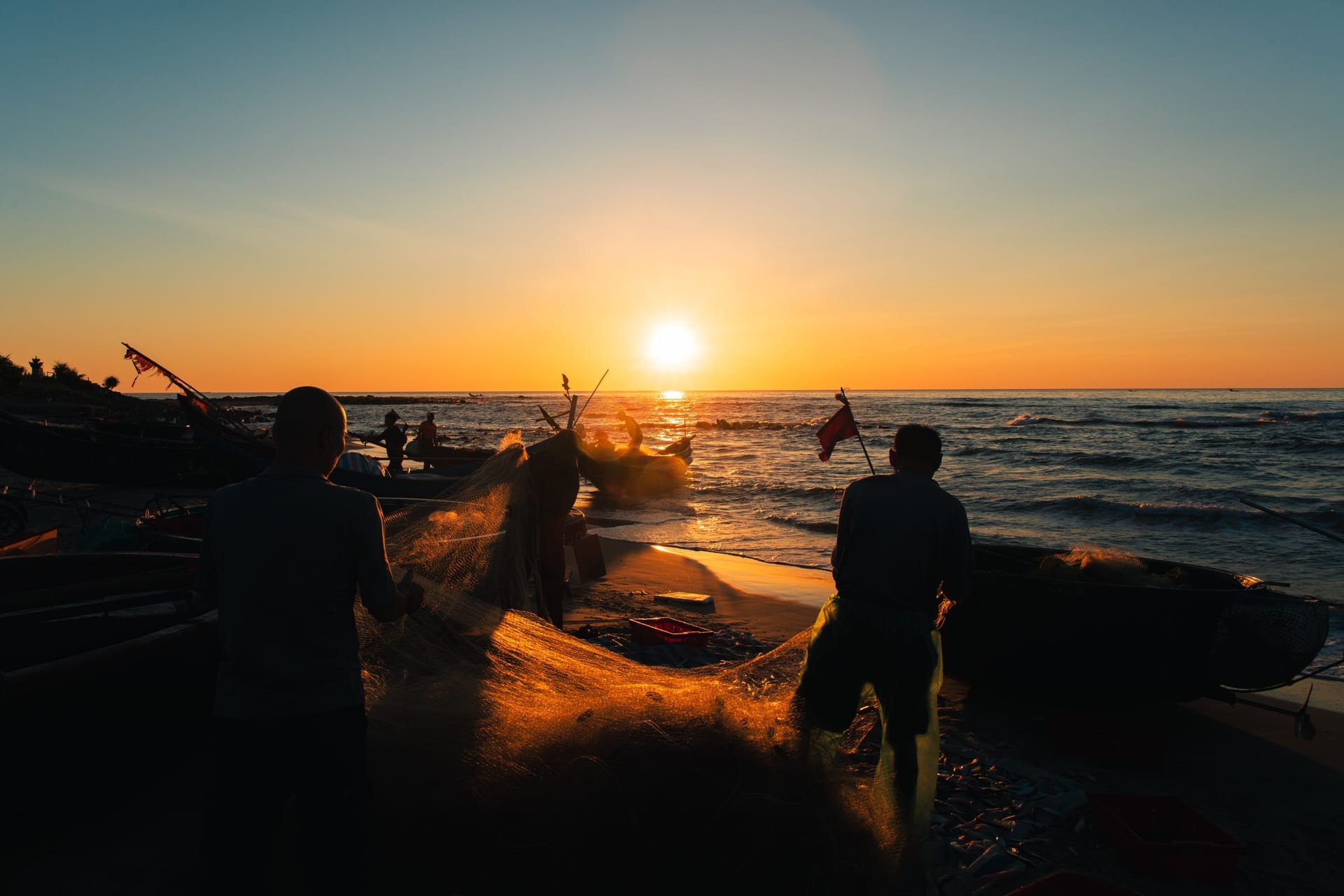
At five in the morning the light is already at the window, flat and white, and there is nothing you can do about it. No curtain on Rote is thick enough. The roosters start before the light, the honeyeaters start after it, and by half past five you are awake whether or not you planned to be. This is the first thing nobody tells you about living here. Your day does not begin when you decide it does. It begins when the island decides, and the island decides early.
What follows is a plain account of a week, from a Monday morning to a Sunday, written by someone who pays rent here and buys fuel here and misses the ferry here like everyone else. Not what a month costs, which is a separate question with its own answer in the cost of living on Rote. Not what the island believes, which lives inside Rotenese culture. Just the hours. How they fill, where they leak, and how much of your week goes to things that back home took you thirty seconds.
The island’s clock: when the day starts and when it stops
The useful hours on Rote sit at the two ends of the day, and the middle is mostly heat. From six to ten in the morning the air is soft and everything happens. People sweep, cook, ride to the fields, open the warungs. By noon the sun has flattened the whole island and the sensible thing to do is stop. Work resumes when the light goes gold, around four, and by half past six it is dark. There is no long European dusk here. The island is close to the equator, the night arrives fast, and by eight in the evening most of Rote has gone quiet.
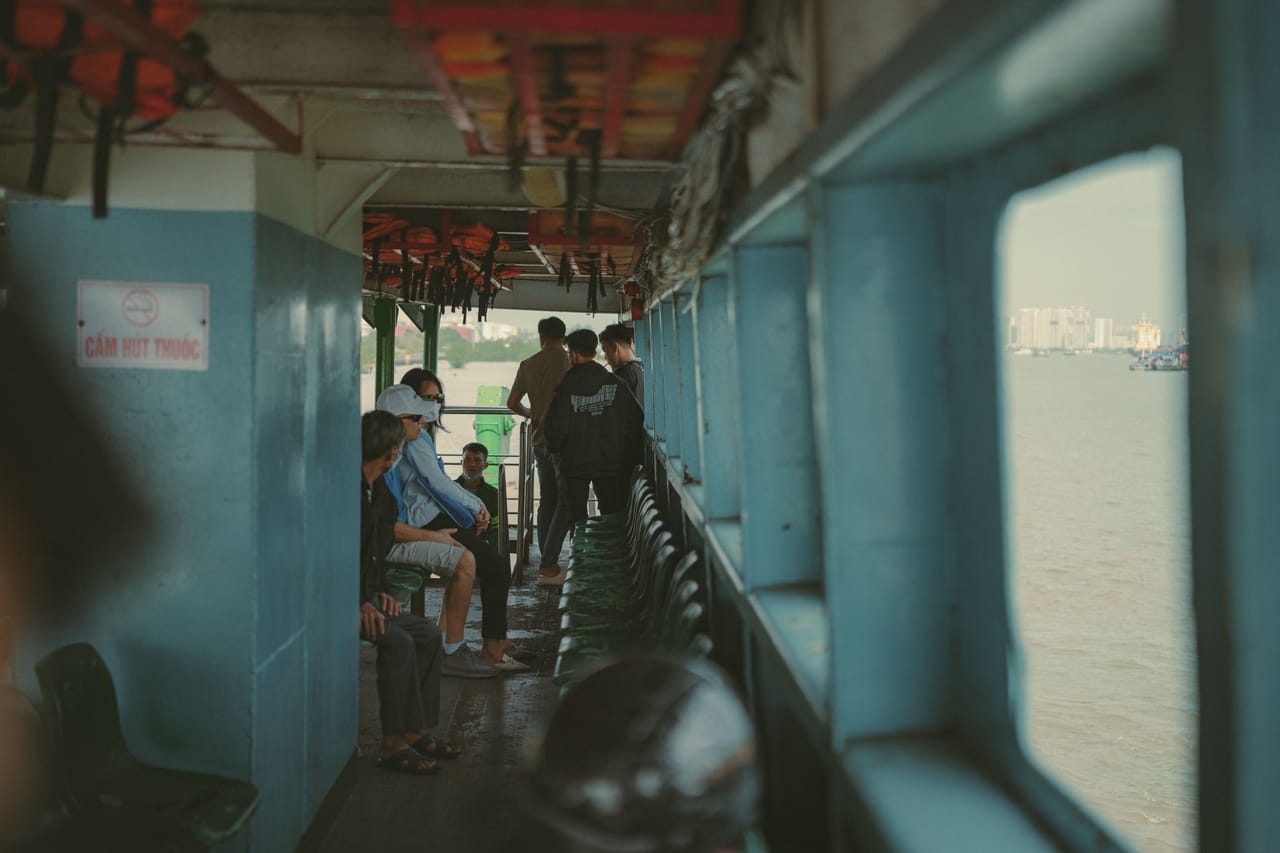
The clock that matters most is not on your wrist. It belongs to the ferry. The daily boat between Kupang and Ba’a leaves at 8.30 in the morning and takes around two hours, and the little Wings Air plane covers the same gap in about thirty minutes.1 Everything you might need from the outside world, a hospital, an immigration office, a hardware store that actually has the part, sits on the far side of that crossing. So the island’s real working day is shaped less by daylight than by whether the boat has run.
Learn the rhythm and the day is generous. Fight it, try to hold a call at two in the afternoon or find a shop open at eight at night, and the island will win every time.
Monday to Wednesday: the half of the week that belongs to you

The front of the week is the quiet, workable part, and if you are here to earn a living online this is where you earn it. You are a long way from the noise. Rote sits about 500 kilometres northwest of the Australian coast and southwest of Timor, a 1,227 square kilometre island of rolling hills, terraced plots and acacia palm, with its highest ground a modest 320 metres above the sea.12 Nothing about the geography is dramatic in a way that interrupts you. It is small, low and green, and it lets you concentrate.
A normal Monday for a remote worker looks like this. You are at the desk by half past six with coffee, because the light put you there and the connection is at its steadiest before the island fully wakes. You get three or four real hours in before the heat lands. Then the day forces a pause on you. This is not a failure of discipline. The infrastructure of working remotely from Rote, the power, the signal, the fan, all of it runs better in the cool hours, so you learn to front-load. By early afternoon you have done your serious work and the island hands you back an empty stretch of time you did not have in a city.
That empty stretch is the thing people underestimate. On a small island the danger is never boredom in the first week. It is the fourth Tuesday, when you have swum, read, answered everything, and it is still only three o’clock. The long-stayers who thrive here are the ones who fill Monday to Wednesday with something structured, a language habit, a fishing arrangement with a neighbour, a standing coffee with the two other foreigners on your stretch of coast. The ones who leave early are usually the ones who assumed paradise would entertain them.
The market keeps the week honest
Wednesday morning I am at the pasar by seven, because by nine the good fish is gone and the shade is gone with it. The traditional market is the closest thing Rote has to a public clock. It does not run every day in every town, it swells on its market days, and the whole social and practical life of the district passes through it in a few hours before the heat closes it down.
This is where the abstract idea of “buying groceries” becomes a real morning of your week. There is no supermarket aisle where everything waits for you at a fixed price. You walk, you ask, you carry cash, you accept that today there is no garlic and next week there will be too much. The market is also a cultural fact more than a commercial one, woven into how the week is organised, and it sits right at the centre of daily Rotenese customs. Reckon on two hours, not twenty minutes. It is one of the honest costs of the week, paid in time, and it comes with the compensation that you will actually know the person who sold you dinner.
The day that happens off the island
Then there is the day that is not spent on Rote at all. Every few weeks something you need is only in Kupang, the provincial capital across the water on Timor, and a Kupang run eats a whole day the way nothing else here does. The bank that works, the specialist doctor, the immigration counter, the big shop with imported goods, all of it lives there. You take the early boat or the small plane, you do four errands that would each take ten minutes at home, and you come back on the afternoon crossing tired in a way that has nothing to do with effort.
This is the logistics tax, and it is real. Living on Rote means holding Kupang as your logistic base in your head at all times, keeping a running list of things that can only be done “over there”, batching them so one crossing clears five problems at once. Plan badly and you make the trip twice in a fortnight and lose two full days. Plan well and the same errands cost you one.
The compensation sits in the crossing itself. The Savu Sea in the morning, the birds working the shallows near shore. The island is quietly full of them, more than three thousand recorded sightings in the immediate area, honeyeaters and flowerpeckers and the little swiftlets that nest in the cliffs.3 You spend enough Wednesdays on that boat and you start to know which bird is which, which is its own small proof that you actually live here rather than visiting.
The interruptions are the week
Here is the part the brochures skip. On Rote the interruptions are not breaks in the week. They are the week. The power goes. Not rarely, not as a crisis, just as a fact of the grid, sometimes for twenty minutes and sometimes for an afternoon. If you run your life around connectivity and off-grid power, you plan for it the way you plan for weather. Battery charged by ten in the morning, the important upload done early, a phone with enough signal to hotspot when the wifi dies with it.
Fuel is the second one. The pump in your town has petrol until it does not, and then it does not for a day or two, and the roadside sellers with their bottles fill the gap at a markup. Run your tank to empty on a Friday and you may not move much on Saturday. Long-stayers keep a jerrycan and never think about it again, which is the whole lesson of the island in one object.
Water, deliveries, a part that was promised “tomorrow” and arrives the following week. None of these is a disaster on its own. Together they are the texture of ordinary life here, and they are exactly why the pace feels slow. It is not that people are lazy. It is that everyone has already absorbed a dozen small frictions into the day and stopped rushing against them. Once you stop rushing against them too, the week gets a great deal easier and, oddly, longer in the good sense.
Sunday belongs to the church
Sunday is the one day the whole island agrees on. About 80 percent of Rote is Christian, and Christianity is not background here, it organises the calendar.1 On Sunday morning the roads fill with people in their best clothes walking to church, the warungs open late or not at all, and any errand you left for the weekend simply waits until Monday. The market is thin. The pace, already slow, stops.
If you come from a place where Sunday is just another shopping day, this takes adjusting to. You cannot treat Sunday as your catch-up day for chores, because the island is not participating. What you can do is what everyone else does, which is nothing productive and quite a lot of social. A long lunch. A visit. The slow surfing crowd, the few who stay long enough to wait months for the right swell, treat Sunday as the day you check the forecast and commit to nothing. The rhythm of faith and rest that runs under the whole week is best understood as part of Rotenese daily customs, and once you stop resisting it, Sunday becomes the best-designed day of your week.
The same week in January is not the same week in April
Everything above describes the dry months, and that is the catch. The identical week in the wet season is a different animal. Indonesia runs on two seasons rather than four, and the swing between them reshapes your calendar more than any day of the week does.
The Indonesian dry season roughly from May to October is the easy Rote. Roads firm, crossings reliable, blue sky by seven, the version of the island that makes people want to stay. The Indonesian rainy season from around November to April is the honest one. The afternoon downpour becomes a standing appointment, the sea gets rough enough to cancel boats, the power drops more often, and a red-dirt road you crossed in ten minutes in August becomes a decision in February. Your workable morning hours shrink. Your logistics tax rises. The interruptions multiply.
This is why the same seven days feel like two different lives depending on when you land, and it is the single biggest reason to think in terms of the year month by month rather than a fixed idea of “a week on Rote”. If you are testing the island for a long stay, come in the shoulder weeks, late April or late October, when you can feel both versions inside the same month and judge whether you can live with the wet one, because that is the one that separates the people who stay from the people who fly home.
What a week here actually costs you
Add the hours up and the arithmetic is clear. A working week on Rote gives you your best four hours every morning, cleaner and quieter than any city would. It then bills you back a market morning, a power cut or two, a fuel run, and once a fortnight a whole day lost to Kupang and the boat. Sunday is spoken for. The rain, half the year, quietly raises every one of those costs.
Nobody who lives here would trade it, and that is the part worth sitting with. The friction is not a bug you tolerate on the way to the good life. It is the good life. A week where the island decides your hours, where buying fish is a social event and a broken pump is a shrug, is a week with almost nothing urgent in it. You will either find that unbearable by the third Tuesday or you will find, somewhere around the third month, that you have stopped checking the time at all. There is no way to know which one you are from the mainland. The only test is a real week, an ordinary one, in the season that tells the truth.
Sources
Footnotes
-
Rote Island — Wikipedia. en.wikipedia.org ↩ ↩2 ↩3
-
Rote Island — dati (Wikidata). wikidata.org ↩