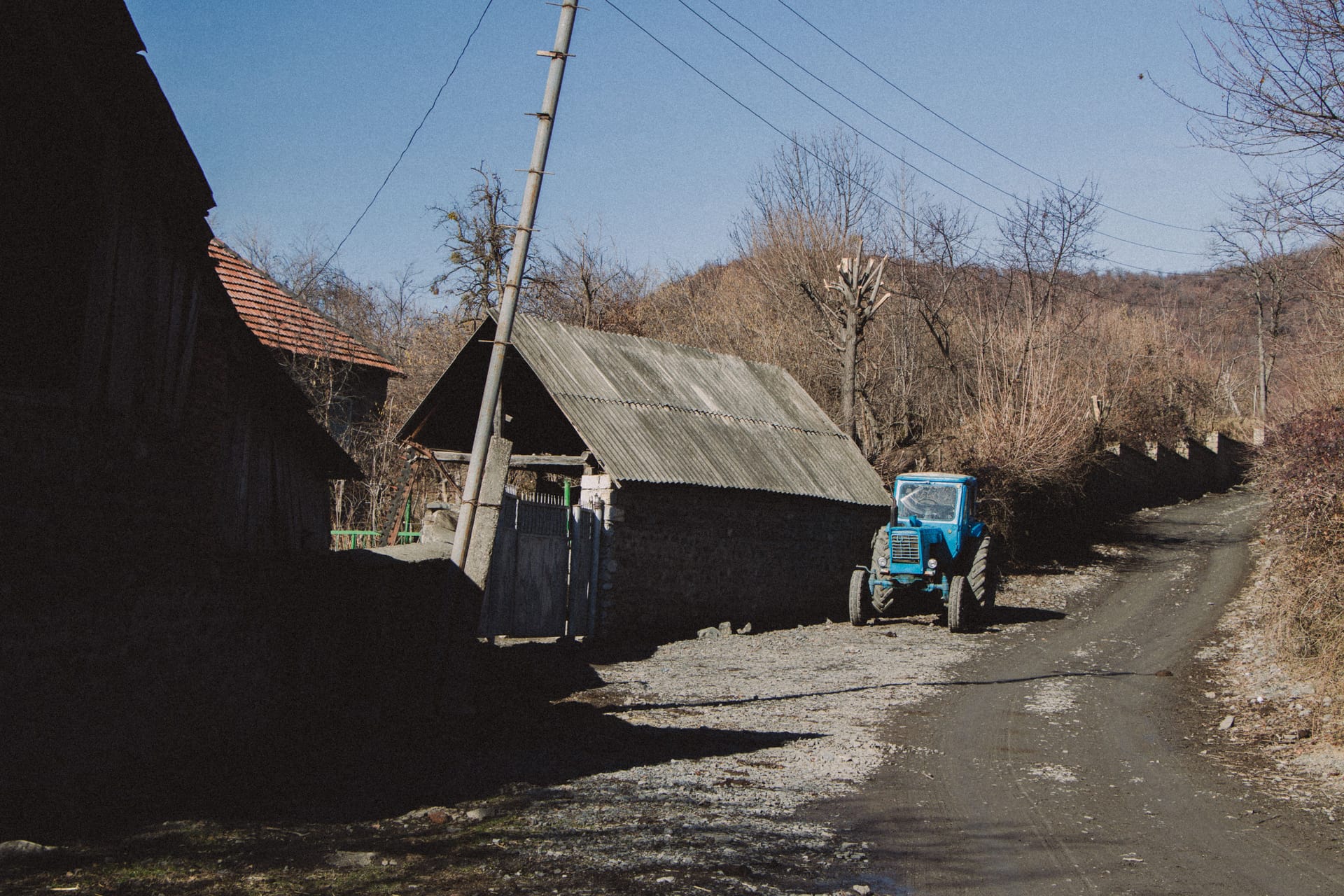
Some mornings you can’t drive through the village. The main road is closed, chairs and sunshades have crept out onto the tarmac, and half the neighbourhood is already cooking. It’s a wedding, and on Rote the whole village turns up to set it up and feed everyone who comes 1. If you’re planning to live here for a season, or for good, this is the first thing to understand: the island runs on obligations you can’t see from a beach photo. What follows is how faith, the calendar, food and the social code actually work day to day, from someone who has to keep track of them to get anything done here.
Rote in Four Facts That Explain Everything Else
Rote is the southernmost island in Indonesia 2, sitting in East Nusa Tenggara 1. That puts it in the rocky, semi-arid half of the country, where the dry seasons run longer and harsher than in the green, volcanic west 3. Almost everything below follows from that climate.
It was never one place. Traditional society was divided into numerous small kingdoms, each ruled by its own lord 4, with four Rotenese kings claiming rule over the wider archipelago 5. Some accounts trace the Rotinese back to a migration from Seram, in Maluku, during the 13th to 16th century reign of the Majapahit kingdom 4.
It is a Christian island, and that single fact reorders the week, the holidays and the drinking customs, and it’s worth reading alongside the wider story of Christianity in Indonesia.
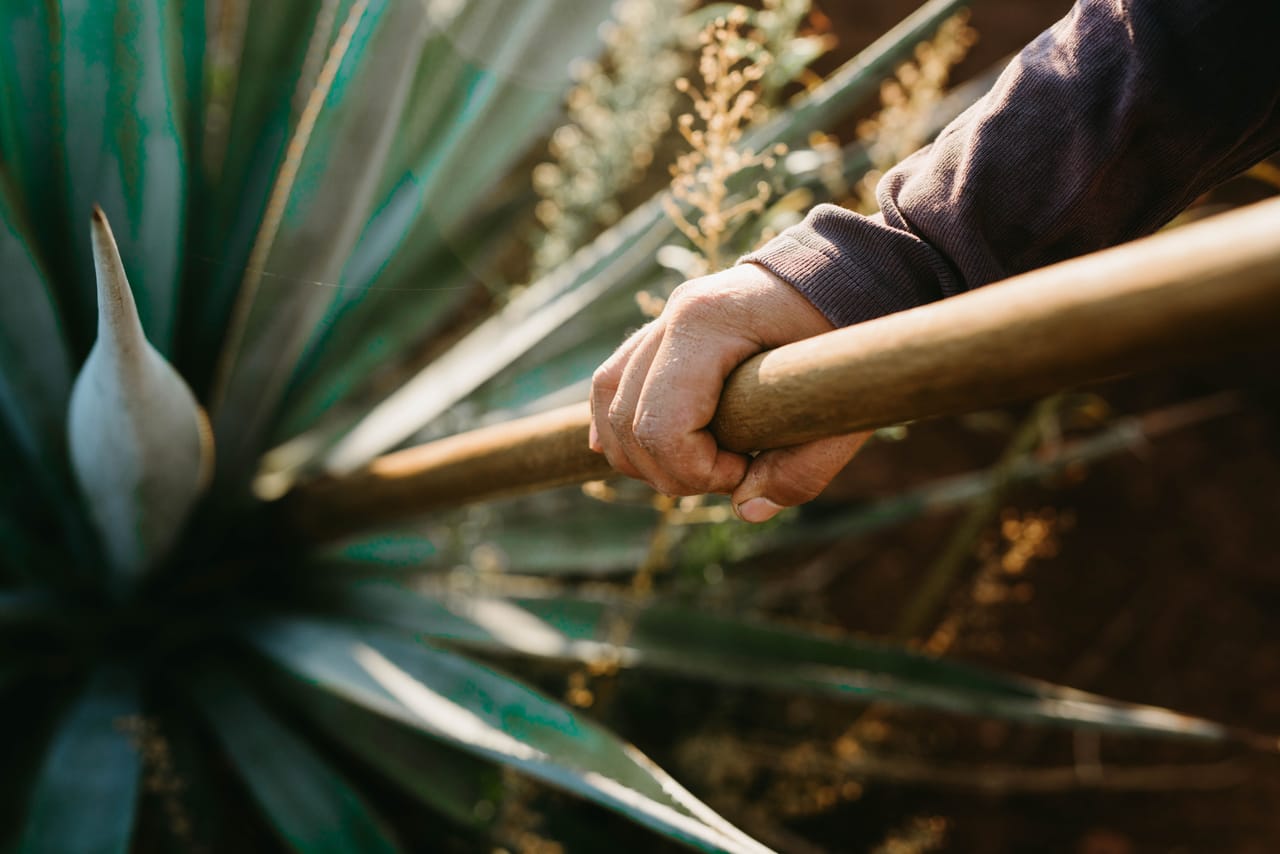
And palm runs through daily life on the island, from tapping to the crafts people make by hand 6. Once you see how much of the island’s income comes off a tree and out of the shallows, the rhythm of the week stops looking random.
Why is Rote a Christian island in a Muslim country?
For centuries, trading nations used Rote as a stopover en route to Bali, and that traffic gradually introduced the Rotinese to Christianity, which they embraced from the 1700s 4. By 1662 the Dutch East India Company had already signed treaties with twelve of Rote’s domains 4. The conversion of the island was a slow commercial by-product, not a single dramatic event.
The map you use today came out of the same long process. Until 1969 the Republic of Indonesia still recognised eighteen domains plus Ndao Island, grouped into four districts, later reworked into the six districts the island is divided into now 4. When an older neighbour tells you which domain their family is from, they are naming something that outlived the administrative boundary.
Faith today is not uniform either. Most Rotenese practise Protestant Christianity or Catholic Christianity, and some are Muslim 6. In a village that mix is worth knowing before you assume everyone keeps the same calendar.
The practical takeaway for a long-stayer is simple. On a mostly Christian island the holy day is Sunday.
What the Island Believed Before the Churches
The older layer is still on the record, and it explains why ceremony here feels heavier than a church service alone would suggest. Traditional Rotenese belief centres on a creator known as Lamatuan or Lamatuak, regarded as creator, predestinator and the one who blesses, symbolised by a three-branched pillar 6.
You don’t need to study any of this to live here. It’s worth knowing because it tells you what kind of place you’ve moved to. Ceremony on Rote is not decoration bolted onto ordinary life, it is the frame ordinary life is arranged inside, and that was true long before the first mission arrived.
How the Week and the Year Are Organized Around Faith
Plan your week around two fixed points and you’ll rarely go wrong. The first is Sunday, the Christian Sabbath, so don’t schedule anything that needs a full village behind it.
The second is the ceremonial calendar, which is busier than any tourist brochure lets on. Rotenese life is marked by harvest celebrations, traditional weddings, ancestral remembrance rituals, community gatherings led by elders, and the special events of the Christian calendar 1. Several have their own names and their own form, among them Tu’u Belis and the Bahoruk foot-stomping ritual 2. You will not be briefed on any of this in advance. You find out because the road is blocked or the village is somewhere else.
On top of that sit the fixed national dates that apply everywhere in the country, so it helps to keep an eye on Indonesia’s public holidays as well as the local church dates, because the two don’t always line up.
There’s also a season to the year that matters. The island has a drier stretch, roughly May to September, that many find the best time to visit 2. That window is also when the island is busiest with outsiders, so if you’re settling in rather than passing through, the quieter months are when you actually get to know your neighbours.
Market Day, and What You’ll Actually Eat
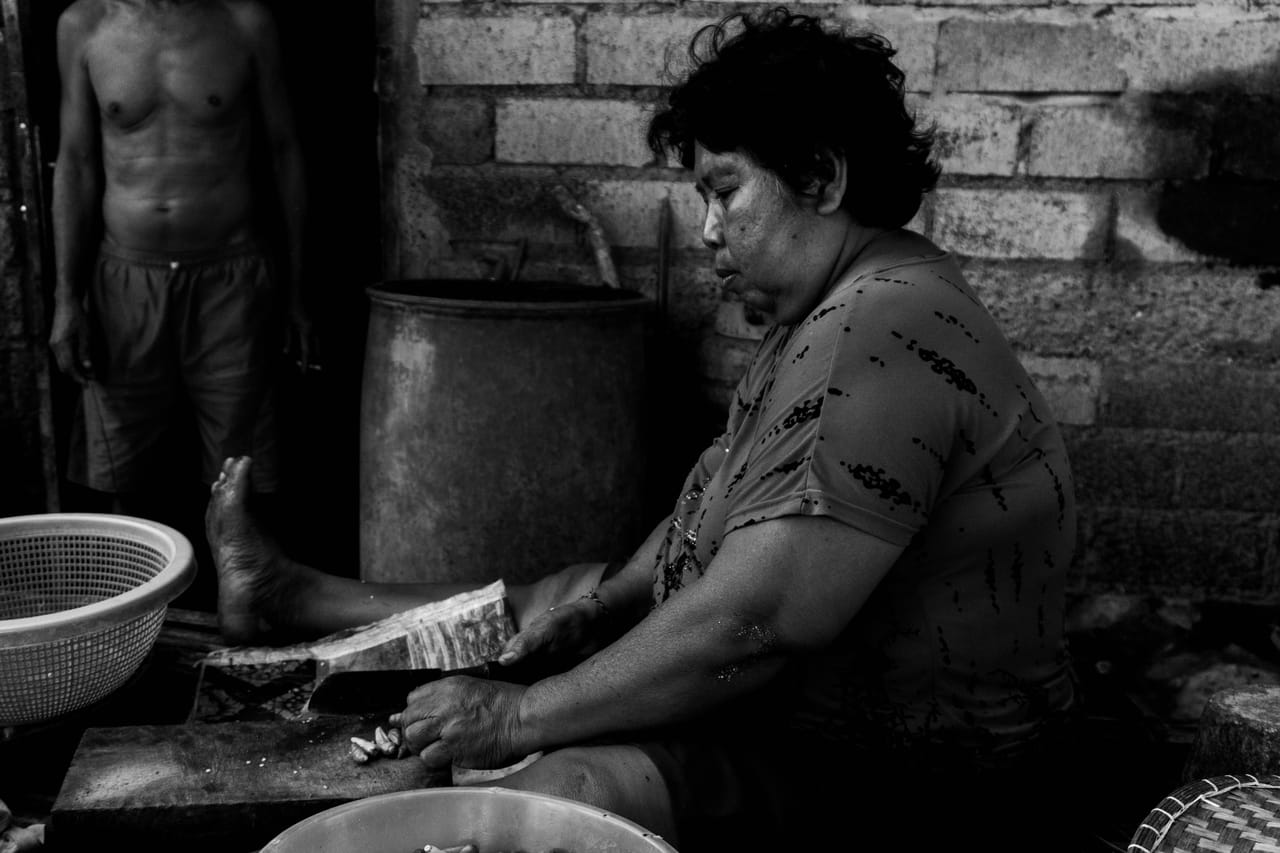
The everyday Rotenese diet is built on tubers, porridge and fish, seasoned hard with spice 6. That’s the honest baseline, before anyone dresses it up.
What lands on the plate follows what the dry, semi-arid climate of Nusa Tenggara will grow, with its longer and harsher dry seasons 3. The main farm produce is rice, corn, cassava, sorghum and millet, alongside pepper, peanuts, vegetables and coffee 6. Sorghum and millet are the giveaway. They are dry-country crops, and they tell you this is not the lush Java of the guidebooks. On the animal side the island keeps buffaloes, cattle, horses and poultry 6, which is why meat tends to show up at ceremonies rather than at Tuesday dinner.
None of this is fine dining. It stays close to how people actually eat here, day to day. If you arrive expecting the Balinese restaurant scene you will be disappointed for a month and then adjust.
Where all of it comes together is the market. The weekly traditional market is the other institution the week turns on, the place where fishing meets whatever the gardens produced that week. If you settle in, the market day becomes your clock as much as Sunday does.
How the Island Actually Earns Its Living
Livelihoods here run on agriculture, animal farming, fishing, tapping Neera palm sap and palm crafting 6. Fishing at sea has its own name in the local vocabulary of work, ndai tasi 2, which should tell you how central it is.
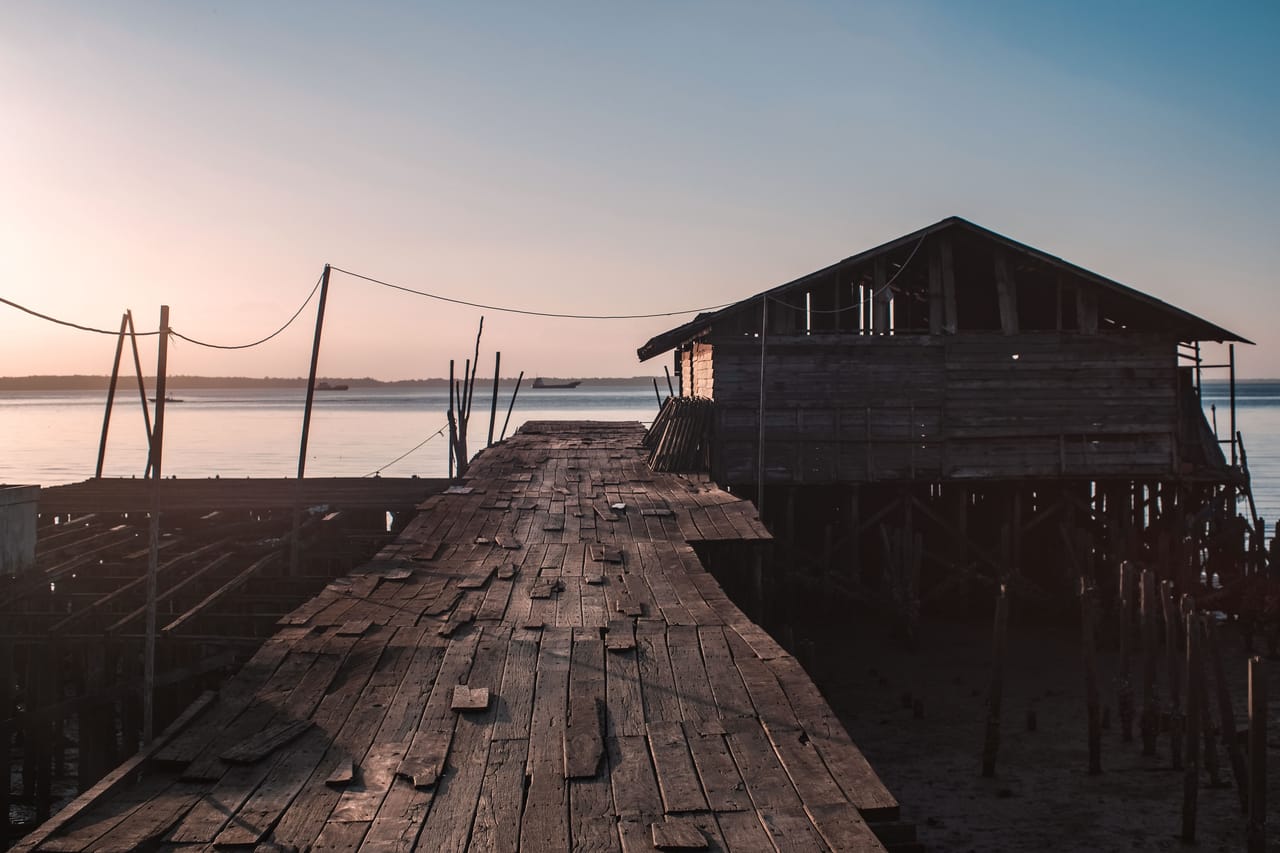
The other pillar is seaweed. Beyond tourism, farming, drying and selling seaweed is one of the main sources of income for local Rotinese 1. Once you know that, the racks along the beaches and the roadsides stop being scenery and start being the local economy drying in the sun. It also explains why so much of village life is timed to the tides rather than to office hours.
For a long-stayer this matters in a practical way. The people around you are not on a fixed schedule, they are on a tidal and seasonal one. Fitting your plans to that rhythm is most of what integration looks like in the first year.
The Palm, the Loom and the Sasando
Once you notice the palm, you can’t stop seeing it, and the material feeds the island’s most recognisable objects. The sasando, Rote’s signature string instrument, is made from bamboo and palm leaves and produces the soft, melodic sound people most associate with the island 1. It is on the local currency of pride, and hearing one played at a gathering is a very different experience from hearing a recording.
The craft economy runs from traditional weaving to woven pandan basketry, alongside the ti’i langga hat and the island’s woven fabrics 2. The handwoven ikat textiles are the piece most outsiders end up buying. Women in the villages create them with techniques passed down over generations, each pattern carrying symbolic meaning, the colours coming from natural dyes, and the work supporting local livelihoods 1. Buying one from the woman who wove it, rather than from a shop in Kupang, is a small act with a real local effect.
The traditional clothing itself is a kain, a cloth up to 2.5 metres long wrapped around the waist and reaching the knees or ankles, worn with jackets and shirts, and topped by the straw ti’i langga 6.
The Social Codes That Decide Whether You’re Accepted
This is the part that decides whether the island tolerates you or takes you in. Community is the organising principle. For big weddings and celebrations the entire village comes together to cook and set up, closing the road and spreading the party out onto it 1.
That generosity has a flip side. It’s an obligation, and it runs both ways. The local vocabulary is explicit about it, in the practice of gotong royong madene, mutual cooperation 2. If your neighbours turn out for your event, you’re expected to turn out for theirs, contribute, and be seen doing it. Sending money and staying home is read exactly the way you’d expect.
Understanding these obligations as the local version of broader Indonesian customs will save you from reading them as quaint folklore. A wedding is a whole-village matter rather than a private one. To follow any of it as it happens, you’ll want at least working Bahasa Indonesia, the national language.
What Rotenese Culture Asks of You
Live here long enough and the pattern becomes clear. Keep Sunday clear, learn the market day, show up when the road closes for a neighbour’s wedding, and carry your share of the contribution. Do that and the four kings’ island, Christian and palm-fed, opens up in a way it never will for someone passing through in a week. The people who stay for a season, or who retire into a village, are the ones who treat these customs as the operating system of daily life rather than a backdrop.
Sources
Related guides
- Betel Nut, Greetings and the Small Rules of Politeness
- The Lontar Palm: The Tree the Island Is Built On
- The Sasando: Rote’s Own Instrument and Why It Still Matters Here
- Se’i Sapi and the Food You’ll Actually Eat Every Week
Footnotes
-
Discover Traditions, Villages & Island Life. roteislandlodge.com ↩ ↩2 ↩3 ↩4 ↩5 ↩6 ↩7
-
4 Facts About Rote Island. pesonaalamtimur.net ↩ ↩2 ↩3 ↩4 ↩5 ↩6
-
a starter contribution to promote Indonesian culinary tourism. link.springer.com ↩ ↩2
-
The History of Rote Island, Indonesia. roteguide.com ↩ ↩2 ↩3 ↩4 ↩5
-
Navigating Transformation: The 1729 Batavia Expedition … academia.edu ↩
-
Rotenese people — Wikipedia. en.wikipedia.org ↩ ↩2 ↩3 ↩4 ↩5 ↩6 ↩7 ↩8