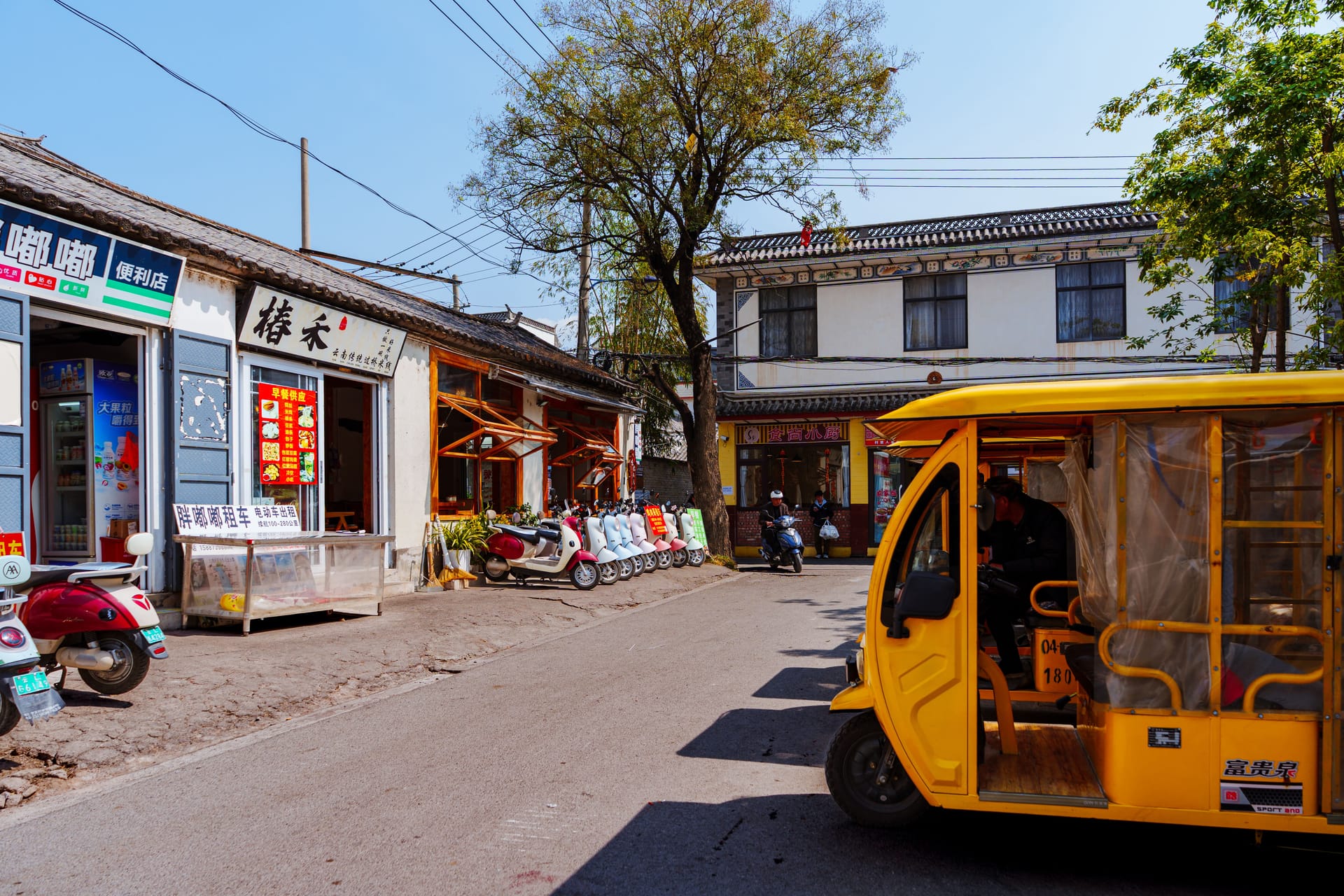
The first time you really need a bank on Rote and it lands on December 25, the calendar stops being a cultural footnote and turns into infrastructure. Your transfer waits. Your visa run waits. The cement you ordered waits. Indonesia public holidays are not a list of dates you skim once and forget. On an island this far from Jakarta, they decide when you can move money, board a ferry, or get a human being on the phone at an office. The date list is everywhere online. This is about which of those days actually shut the island down, for how long, and how you plan real life around them.
Two Calendars Run the Year Here

Two calendars run in parallel on Rote, and they don’t line up. One is the national calendar fixed in Jakarta, heavy with Islamic religious dates because the country as a whole is Muslim-majority, and it’s the one that sets banks, schools and government offices. The other is the calendar the island actually lives by, which is Christian, agricultural, and built around church and community. Indonesia public holidays on paper and the days that empty out your village are two different lists, and the gap between them is exactly where newcomers wreck their plans.
Rote is a small place, roughly 1,227 km² of coral and savannah 1, and here most families are Christian, which is why the national roster of Islamic dates governs the post office but barely touches the street. Why the eastern islands lean so heavily Christian in the first place is a long history of its own, and it’s the single fact that explains everything else on this page.
Tanggal Merah and Cuti Bersama: What the Words Actually Mean
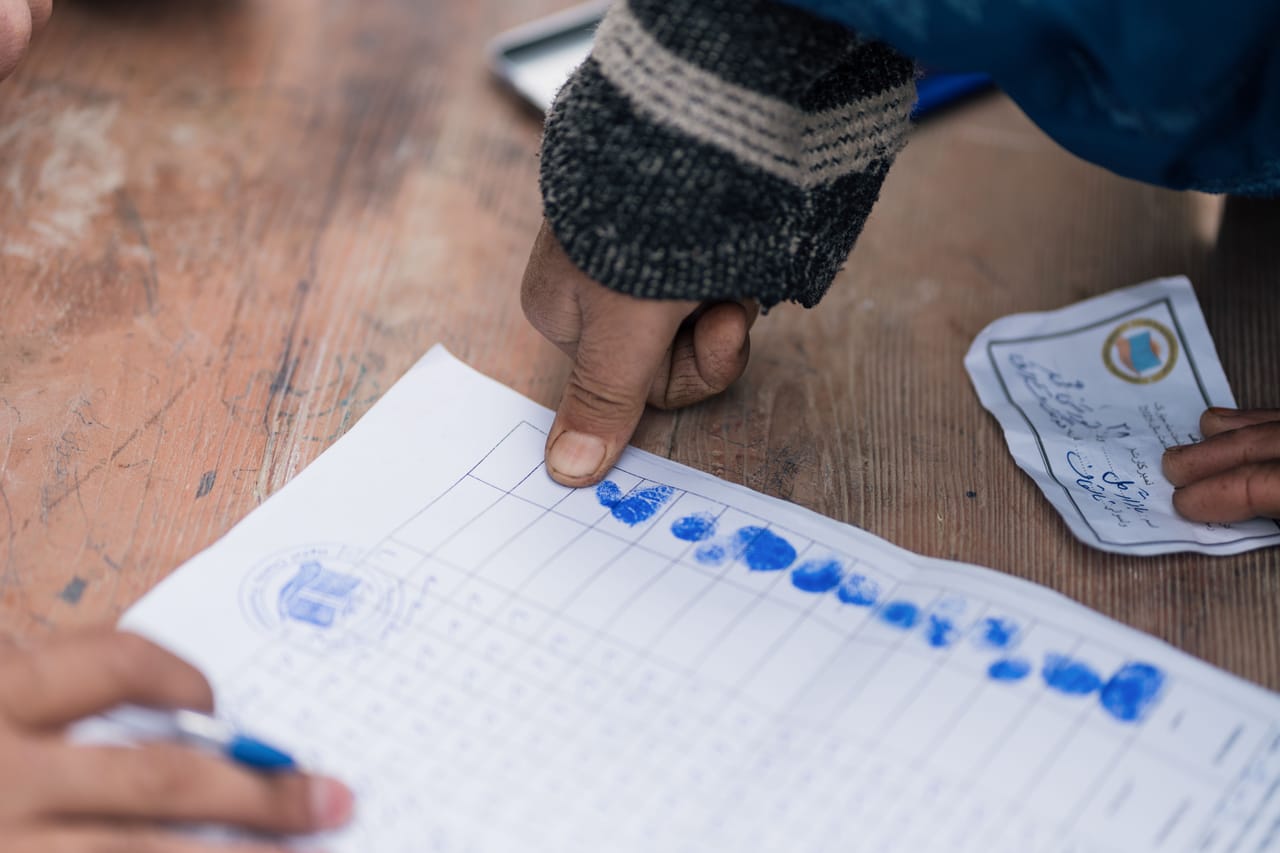
Two Indonesian terms explain most of what you need to know.
Tanggal merah = the red dates. Public offices, schools and banks close. Cuti bersama = government-declared joint leave added around a red date to stretch it into a longer break. Recommended, not always binding on private business.
Learning to spot these words on a wall calendar is one of the small early wins of picking up some Bahasa. Two things trip people up. First, cuti bersama is officially a recommendation, and private businesses aren’t always bound by it, so a warung or a shop may open while the bank next door sits dark. Second, the Islamic holidays follow the lunar Hijri calendar and are confirmed by the Ministry of Religious Affairs close to the date, so they can shift by a day 2. Indonesia counts around 20 public holidays in a normal year once the joint-leave days are added in 2. Plan to the exact day at your own risk, and always verify the date rather than assuming it.
The Shape of the Holiday Year
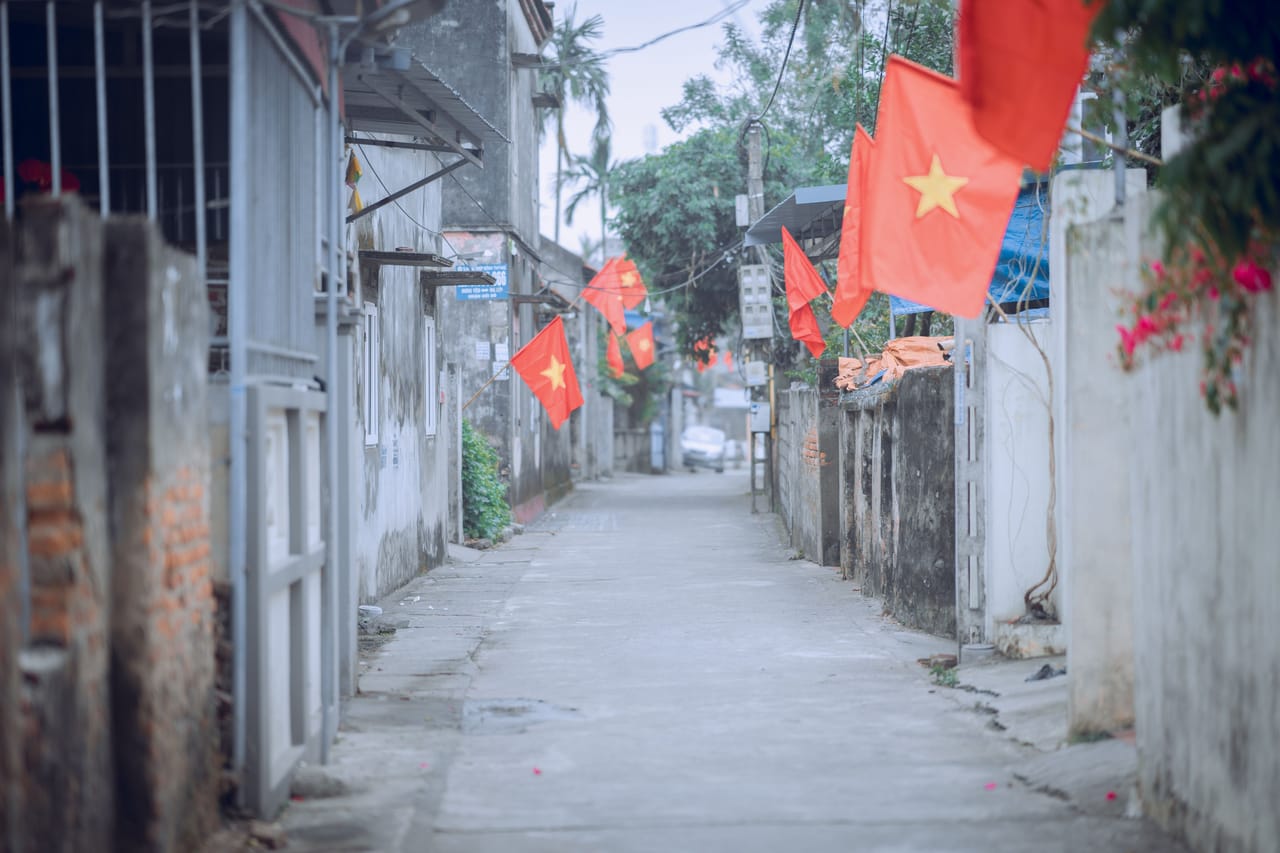
The Islamic dates, Idul Fitri, Idul Adha, Isra Mikraj, Islamic New Year, drift about eleven days earlier each year against the Gregorian calendar because they track the moon, so over a few years they sweep through every season 2. The fixed points you can actually anchor to are the Christian ones, Christmas and New Year in late December, Good Friday and Easter in spring, plus the secular national days like the August independence season, when villages string up flags and hold running races down the main road. Bali’s Nyepi, the Hindu day of silence, is a national red date too 2, though on Rote it passes as just another closed-office day. Knowing which dates stay put and which wander is half the planning battle.
The Days That Genuinely Stop Rote
This is where the island parts ways with the national list. A handful of days close far more than the offices. They close the shops, the building sites, the boats and the kitchens.
- Christmas and the days around it. This is the big one. From roughly Christmas Eve through the days after, Rote goes quiet. Banks and offices close, and so do hardware stores, most warungs, construction crews and drivers. Families travel back to their home villages and stay put. Expect several days where buying anything beyond basics is genuinely hard.
- Good Friday and Easter. The most solemn stretch of the year here. Good Friday in particular empties the roads. Shops shutter, work stops, and the whole mood turns to church and family.
- New Year around January 1. It overlaps with the Christmas lull and drags the slow period on. Offices reopen late, and everyone is still recovering from a fortnight of feasts.
- Sunday, every single week. The one that catches people permanently. Sunday is a weekly institution here. Many shops stay closed or half-open in the morning, church comes first, and business happens later or not at all. Treat Sunday as a soft holiday you get 52 times a year.
Across all of these, expect a cash economy, no fresh deliveries, and a village that has somewhere better to be than serving you. Even the weekly market thins out or skips a day, so the fresh-food supply you quietly rely on can vanish for 48 hours.
Islamic Holidays Shut the Office While the Village Works On
This is the asymmetry nobody writing from Bali or Jakarta bothers to explain. On the national stage, Idul Fitri (Lebaran) is the giant of the year, the great mudik exodus when tens of millions travel home 2. On Rote, the big Islamic dates still turn the calendar red, so imigrasi, the bank and the land notary all shut. The street, though, doesn’t empty the way it does at Christmas. Your Christian neighbours work, the warung stays open, the fishing boats go out at dawn.
The practical upside is simple. An Islamic red date is a good window for quiet errands that don’t need an office, and a poor window for anything that does. At Christmas the balance flips completely, and the closed offices become the least of your worries because the whole island has switched off.
Ferries and Flights: The Constraint You’ll Feel First
For anyone living on Rote, transport is the real chokepoint, and no calendar warns you about it. Rote connects to the outside world through Kupang, so your lifeline is the ferry across the strait plus the flight or boat hop before it. Around every major holiday, and especially the Idul Fitri mudik and the Christmas travel week, that lifeline overloads. Seats sell out days ahead. The fast boats run full or cancel outright in bad weather, with no slack in the timetable to rebook you. The cargo that keeps island shops stocked slows to a trickle.
If you need to be in Kupang for a flight, a medical appointment or a visa deadline during a holiday window, book the crossing a week early and carry a plan for the day the boat simply doesn’t run. Treating Kupang as a proper logistics base, stocked and booked in advance, is the difference between a calm month and a stranded one.
When a Deadline Lands on a Red Date
The scenario that ruins people is a visa extension, a KITAS step or a notary signing that falls inside a holiday stretch. Immigration in Kupang can be closed for the better part of a week around Idul Fitri or Christmas, and a red date does nothing to pause your visa clock. The office being shut is not a legal excuse for an overstay.
So work backwards. If any permit, extension or official deadline falls within two weeks of a major holiday, treat that holiday as if it eats a full week of working days on either side, because between the red dates, the cuti bersama and everyone clearing their backlog, it effectively does. Get the paperwork moving early, confirm the actual open days with imigrasi directly instead of trusting a printed calendar, and never assume the office will sort it next week. Next week might be Lebaran.
The Only Reliable Calendar Is a Person
One habit saves you more than any calendar. In a village, the trustworthy source is a neighbour, not a website. Because private businesses choose for themselves whether to follow cuti bersama, and because the Islamic dates can slide by a day, the national list tells you the floor, not the reality on your particular street. Ask your landlord, the warung owner, the guy who runs the boat. “Are you open Thursday?” beats any aggregator ever built. The same goes for the small ceremonies and family gatherings that fill the season, which follow their own local timing that no national calendar records.
A Practical Checklist for Living Around the Calendar
Keep this somewhere you’ll see it before every major holiday:
- Cash first. ATMs empty out and stay empty for days over Christmas and Lebaran. Pull what you need before the red dates start.
- Stock the pantry. Fresh deliveries stop and the market skips days. Buy three to five days of food ahead.
- Book transport a week early. Ferries and flights through Kupang sell out and cancel. Always hold a fallback day.
- Front-load paperwork. Any visa or notary deadline near a holiday means starting two weeks early and confirming the open days with the office.
- Fuel and gas. Petrol stations and LPG canisters run dry. Top up the tank and the spare bottle before things close.
- Ask a local. Confirm the real days your bank, shop or boat will actually run.
- Slow down. This is the island resting. Match its pace and the week turns pleasant instead of frustrating.
Once you stop fighting the calendar and start planning around it, the holidays become some of the best-run weeks of your year. You’ll have cash, food and a full tank while everyone who winged it queues at the one open ATM. That’s the whole trick to living on the island’s own rhythm instead of against it.
Sources
Footnotes
-
Rote Island — dati (Wikidata). wikidata.org ↩
-
Public holidays in Indonesia — Wikipedia. en.wikipedia.org ↩ ↩2 ↩3 ↩4 ↩5