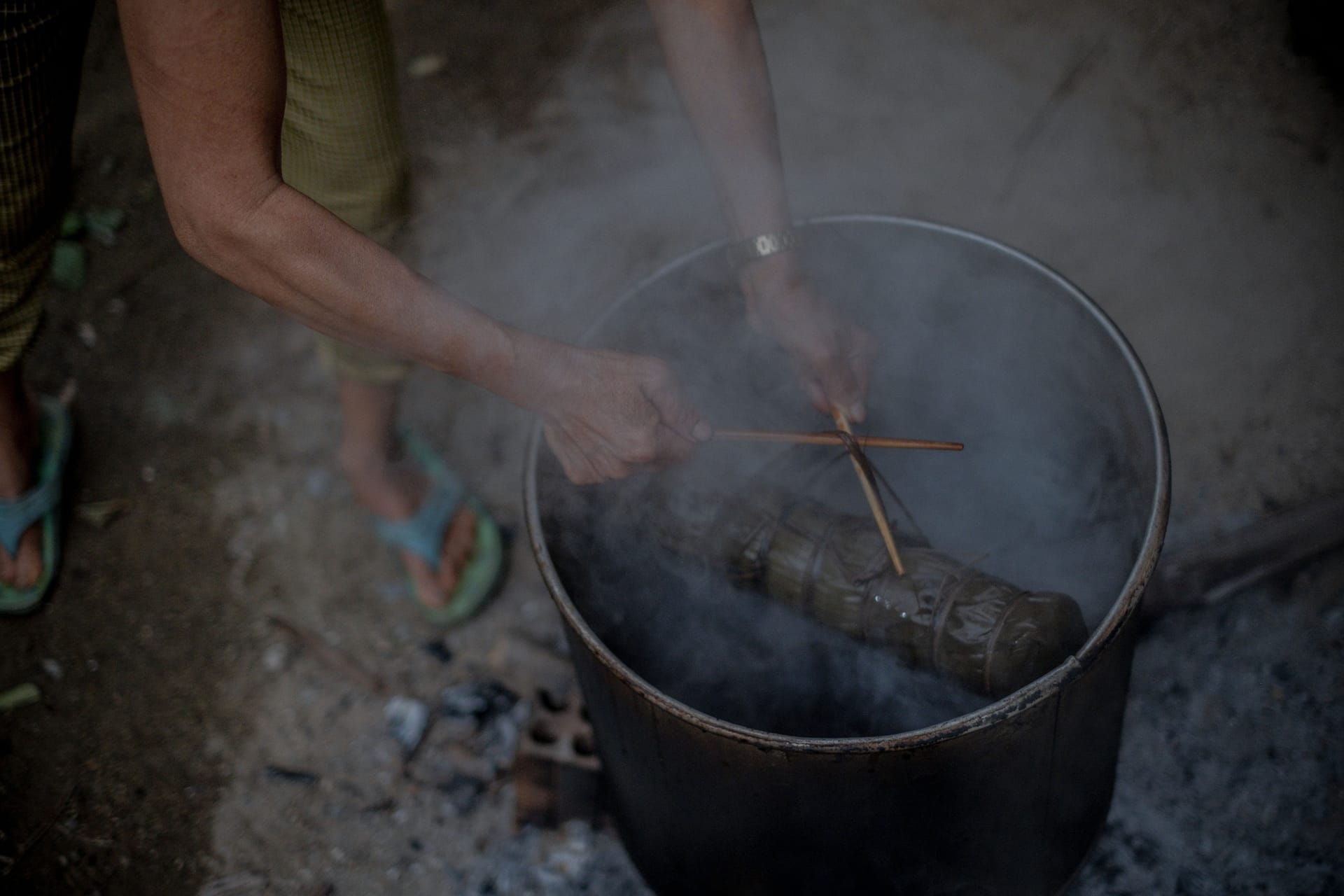
Real se’i sapi is smoked beef, and the smoking runs all day, sometimes the whole night, worked by someone who has done it long enough to know by feel when it’s ready 1. That patience is the dish. Once you live out here, se’i stops being the thing you order once on a trip and becomes part of how the week gets stocked.
The name tells you what it is before you taste it. “Se’i” comes from a local language and means thinly sliced meat, and the dish traces back to Timor, in the East Nusa Tenggara region 1. So this is less an exotic special and more a staple you’ll learn to keep in the house, next to the rice. Here’s what actually ends up on your table, how it’s made, and how it earns a place in an ordinary week.
What se’i sapi actually is
Se’i sapi is beef from Timor, sliced thin, rubbed with salt and spices, then slow-smoked for a full day or night until tender and smoky 1. The name comes from a local word for thinly sliced meat, and the result eats like a thicker, chewier bacon, sold alongside chicken and tongue versions 1.
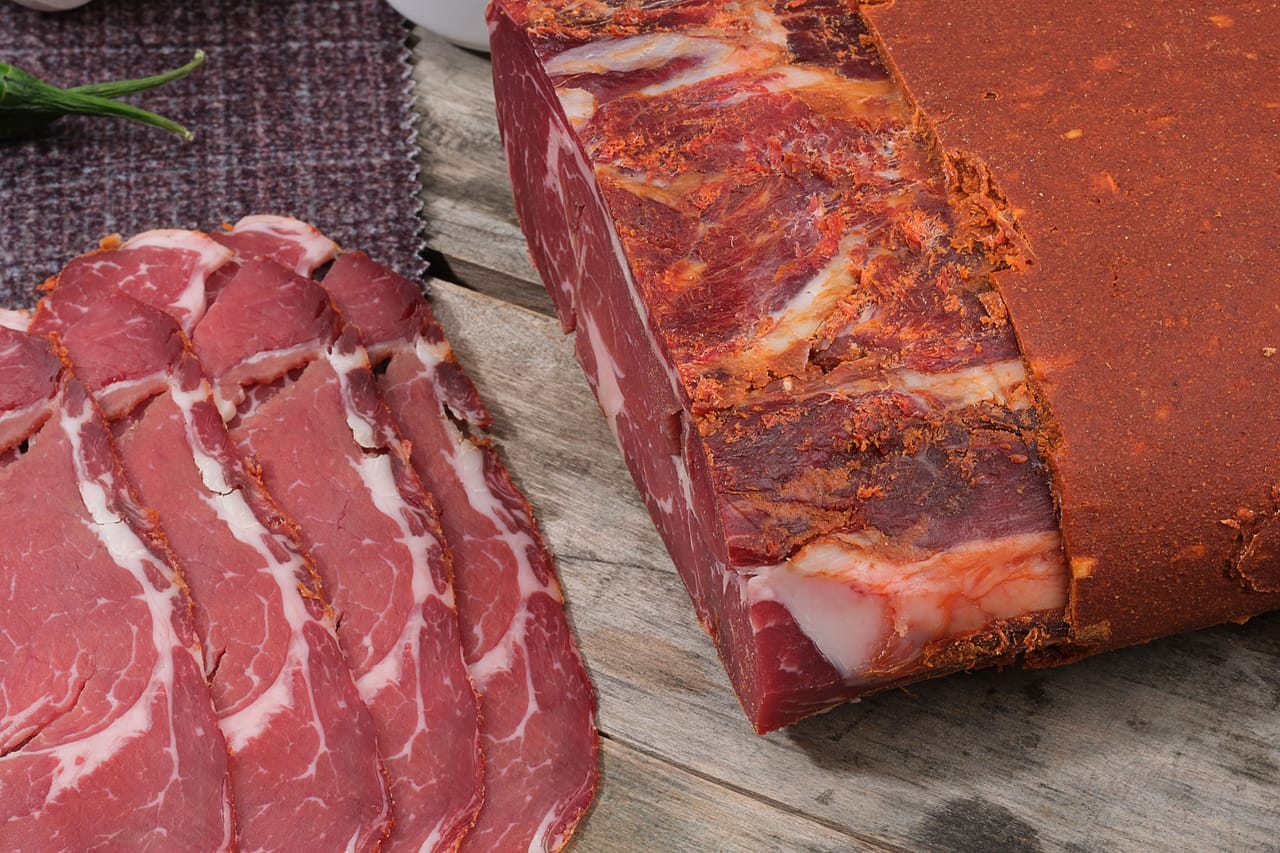
Se’i is smoked meat from Timor Island 1. The word describes the method as much as the result. Cuts are sliced thin, rubbed with salt and chosen spices, then smoked slow 1. The texture sits close to bacon, thicker and with more chew 1. If you’re picturing a heavy slab of barbecue, recalibrate toward thin ribbons that carry smoke all the way through.
There’s a bit of history worth knowing. The meat used to be Timor deer, Cervus timorensis, until the deer population fell and the animal became protected 1. From there the dish moved to beef and chicken, which is why you’ll see se’i sapi (beef) sitting beside se’i ayam (chicken) and se’i lidah (tongue) wherever it’s sold 1. Beef is the version that most people mean when they say se’i, and the one you’ll cook most. It belongs to the wider Rotenese food culture you’ll settle into over your first months.
The smoke is the whole point
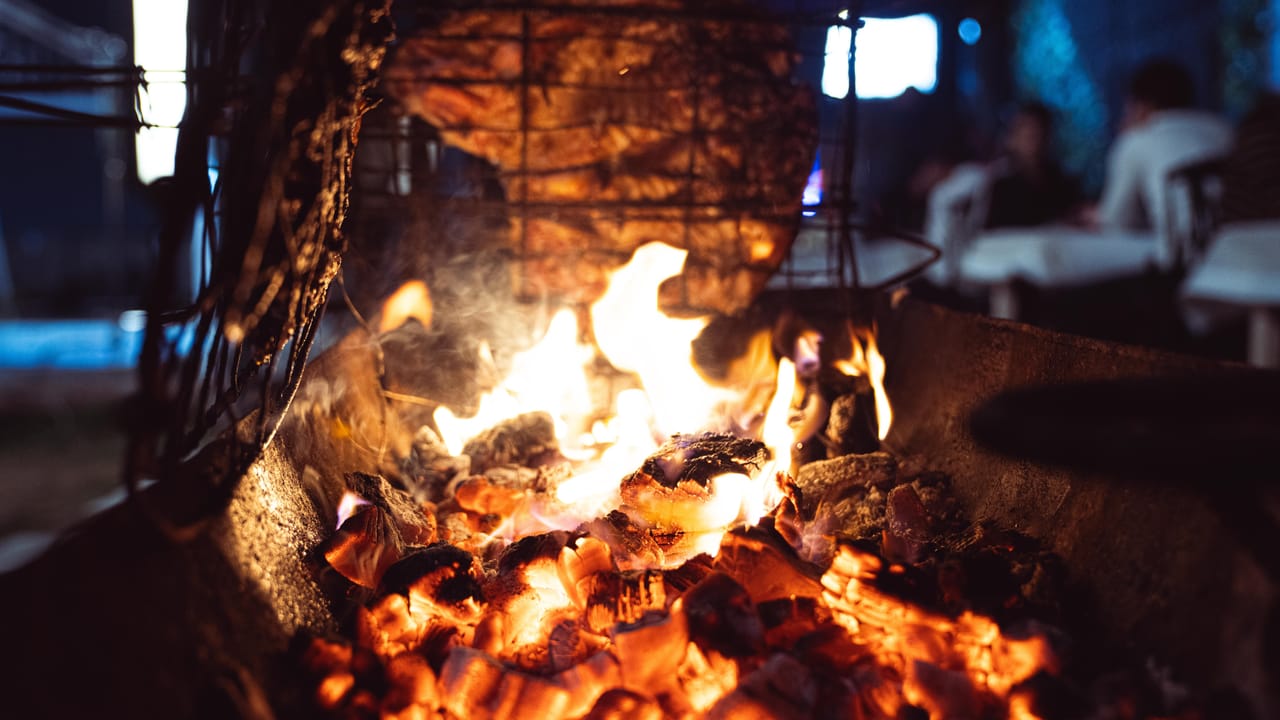
In a dry climate like Timor’s, smoking began as a way to preserve meat and pull more value, both nutritional and economic, out of what you had 1. That practical root still shapes how it’s done today. Doing it well is closer to a science than to throwing a steak on the grill, and it runs through the hands of experienced pit smokers who work slow and careful 1. A full batch can take a whole day or a whole night to reach the point where it’s tender, juicy, and deep with smoke 1.
You feel the logic of it once you’ve spent a stretch here through the long dry season. Meat that keeps is meat you can lean on. A cook who smokes a batch isn’t making one dinner, they’re making a few days of dinners, which is exactly why the “every week” in the title holds.
What it comes with, and where Kupang fits
In Kupang se’i is served one fixed way: with hot steamed rice, nasi panas, plus sambal lu’at and jagung bose 1. Kupang is also where you cross toward Rote and where packaged se’i is sold, some made from imported USDA-graded beef, so it is the easy place to stock up before the crossing 1.
In Kupang, the plate is simple and fixed. Se’i goes with hot steamed rice, nasi panas, alongside sambal lu’at and jagung bose 1. That trio is the reference point. Get those three right and you have the meal the way people who grew up on it actually eat it.
Kupang matters for a second reason. It’s the mainland base you pass through to reach Rote, and it’s where the commercial, packaged se’i lives. Some of the polished branded versions go as far as 100% imported USDA-graded beef 1, which is a different animal from what a family smokes over a fire at home. Neither is wrong. When you’re crossing over through Kupang, a vacuum pack of decent se’i is an easy thing to carry back and stash. On the island itself, the ingredients for doing it properly aren’t always sitting on a stall at the traditional market, so it pays to think a batch ahead the way you would with any other staple in your cost of living planning.
Cooking it into a normal week
You don’t need a smoker to eat well here. Two dishes bring the flavor into a weeknight, and both scale down to a couple of people.
The fast one is a se’i sapi stir-fry. Take 500g of beef sliced thin, flank, skirt, tri-tip loin, or sirloin, and toss it with 2 tablespoons soy sauce, 1 tablespoon kecap manis, and 2 to 3 teaspoons of ground black pepper 2. Mix it well and chill it two hours, or overnight if you’re planning ahead 2. When you’re ready, bring the meat to room temperature, get a wok hot, sauté garlic and ginger for two minutes, add onion, then the beef with its marinade until it’s no longer pink, then the rest of the aromatics and a cornflour slurry to pull it together 2. Ten minutes of prep, fifteen of cooking, and it feeds two 2.
The slow one is belancang, an older Timor beef dish that goes dark and sweet from soy sauce 3. Half a kilo of semi-fat beef, diced, salted and peppered, dusted with Javanese sugar, and left to marinate an hour 3. Fry it in a couple of tablespoons of oil, and once the meat browns add three tablespoons of chopped onion, a clove of garlic, and a teaspoon of sambal terasi 3. Pour in a quarter litre of water and a tablespoon of soy sauce, then let it simmer about two and a half hours in a heavy pan until it’s tender 3. Eat it with white rice and a fresh cucumber salad 3. Buy slightly better beef than the everyday cut for this one, because it sits on the heat long enough to reward it 3. The sweetness leans on palm and cane sugar, the same pantry logic behind the lontar palm products you’ll start keeping around.
The rhythm it settles into
Once smoked meat lives in your kitchen, it stops behaving like a single meal. That’s the point of a food built to keep in a dry place. A batch becomes something you cut into across the week, warm through with rice one night, fold into a stir-fry the next, carry cold to a beach the day after.
The bigger meals still cluster around the days that matter, the ones shaped by the Christian calendar most of the island keeps, and the ceremonies where food and hospitality run together with things like betel nut and the customs around a wedding. Those are the days someone commits to a full overnight smoke. The rest of the week is quieter and more practical, built around what keeps and what’s easy to stretch, the kind of stocking-up that fits how markets run and how procurement works on a small island.
Give it a season and se’i sapi stops being a dish you look up. It becomes muscle memory, the smoked meat you reach for when you don’t feel like thinking about dinner, the thing you learn to buy in Kupang and cook two ways at home. That shift, from ordering it once to keeping it around, is most of what settling into island food actually feels like. If you want a hand sorting the practical side of living here, from getting set up to knowing where things come from, that’s what our concierge is for.