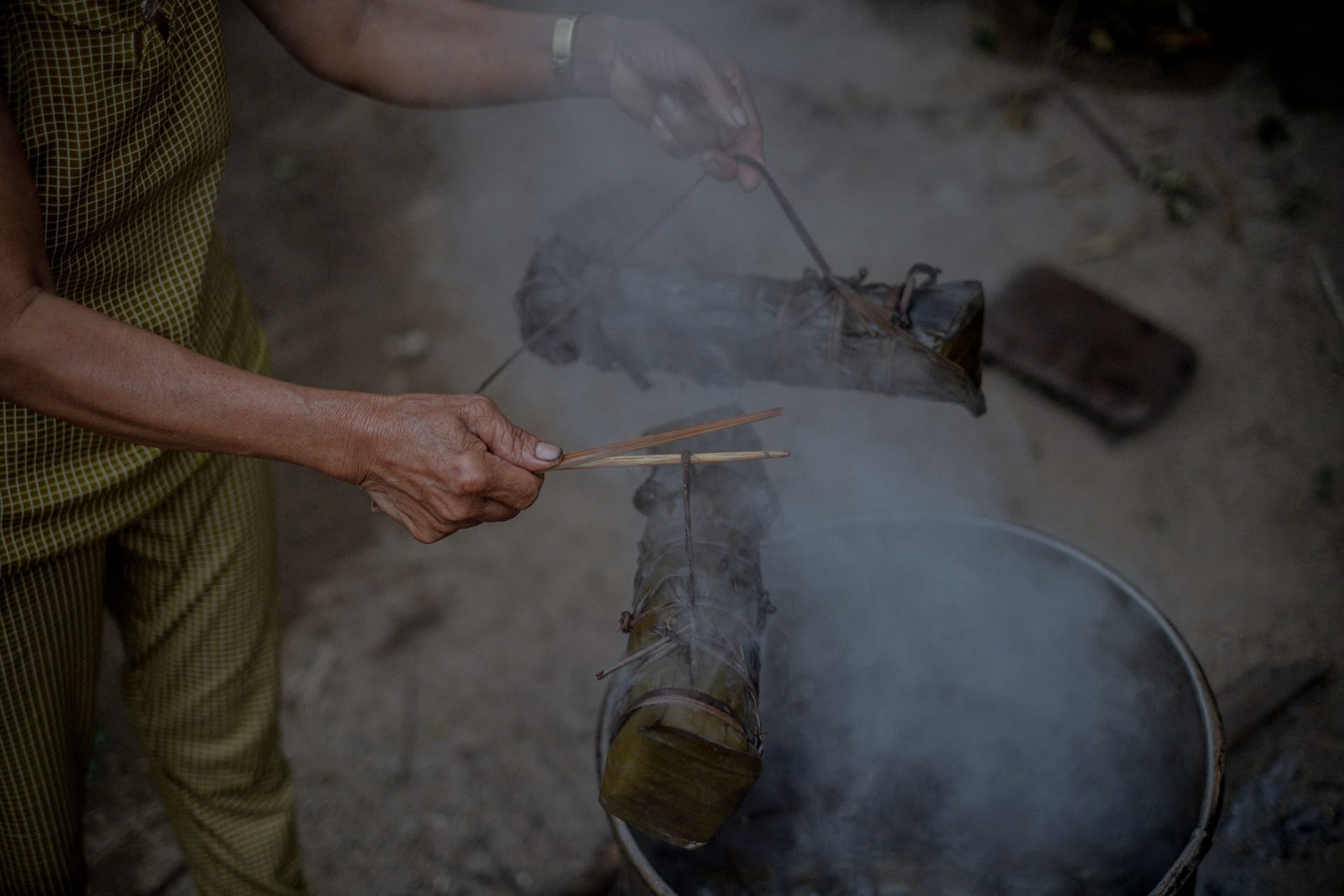
The first thing that reaches you is smoke. Not from a barbecue, but from beef laid over glowing embers of kusambi and lontar wood, the fat rendering slow while someone turns the strips by hand for a long while. That’s se’i sapi, and by the time you’ve lived here through one dry season you’ll have eaten it at a christening, a funeral, and an ordinary Sunday, and you’ll have tried, badly at first, to make it yourself.
This is about the food you’ll actually put on your own table, week after week, once the novelty of arriving has worn off and you’re just a person on a small island who has to feed themselves.
Se’i sapi, and the island that never gets the credit
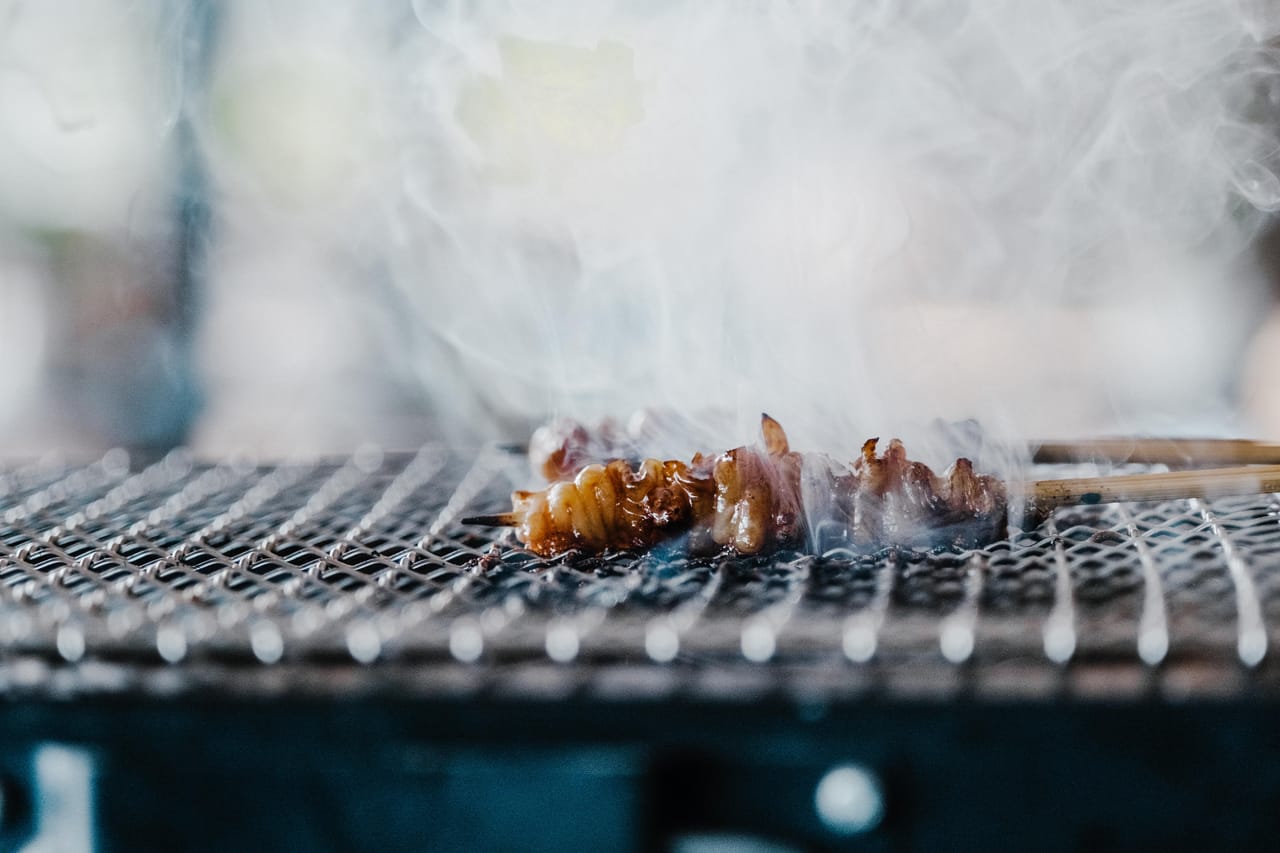
Go to Kupang, the provincial capital and your logistics base for living out here, and every second warung sells se’i as a Kupang specialty. It isn’t. The smoking method, the thin ribbons of beef cured hard and eaten with fresh sambal and blanched greens, comes off Rote and Timor and traveled to the city because that’s where the money and the mouths are. The island that raises the cattle rarely gets its name on the menu.
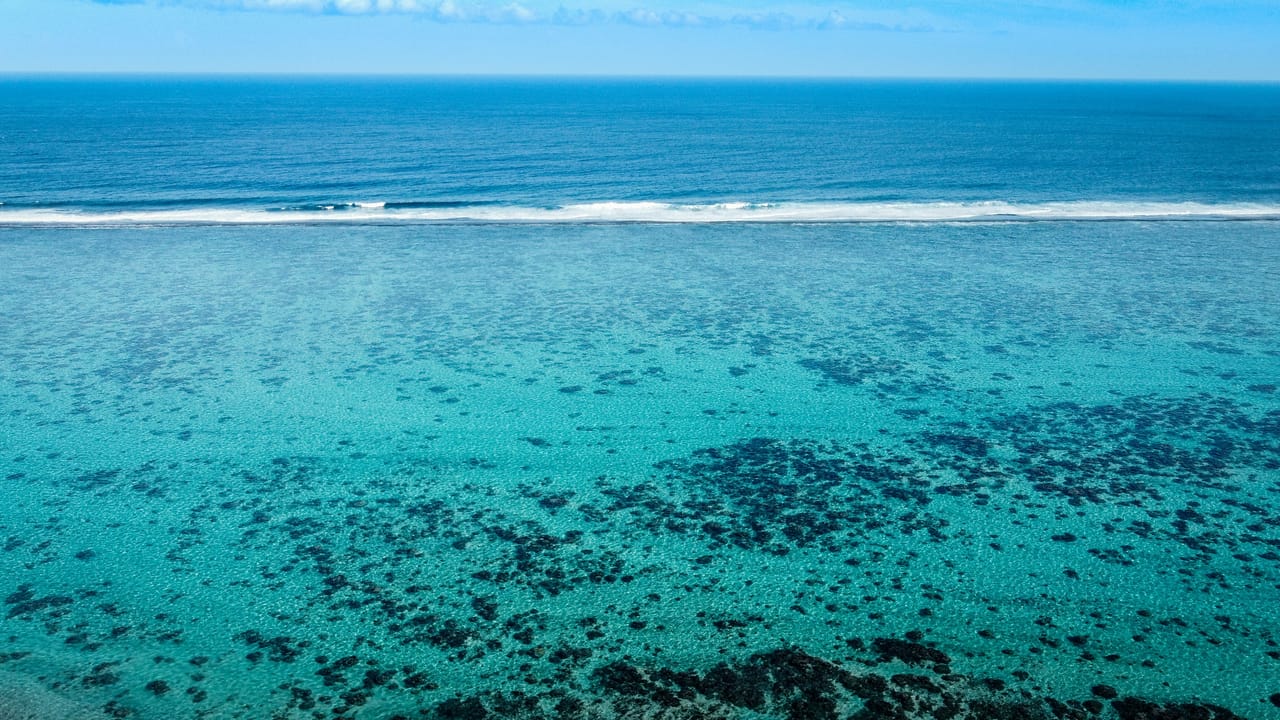
Rote is small, 1,227 square kilometres, rising to no more than 320 metres at its highest point.1 The ground under the grazing country is young sedimentary rock, Cenozoic layers laid down over the last twenty-odd million years,2 which is a geologist’s way of saying thin soil, hard grass, and cattle that grow lean rather than fat. That leanness is the whole point of se’i. Fatty beef would drip and burn; this meat takes smoke and salt and holds it. The dry, low country the herds move through is quietly full of small birds, honeyeaters and white-eyes among them, part of the 3,333 observations logged around the island in the global biodiversity database.3 You notice them at dawn, when the smoking usually starts.
There’s se’i babi too, the pork version, common in Christian households where pork isn’t a problem, and once you understand that the island runs on smoked, salted, spice-hard meat rather than anything delicate, you understand most of what lands on a Rotenese plate.
The everyday table, a week of dinners, honestly
Here is the part the brochures skip. On a normal Tuesday you are not eating se’i. You are eating rice or, more traditionally, corn, with fish and a fierce chilli sambal and whatever green the season is giving. Meat shows up at ceremonies far more than at dinner, and if you arrive picturing the restaurant scene of Bali or Lombok you’ll spend your first month disappointed and your second month adjusted. The plainness is the island’s food culture, not a failure of it.
A week, laid out honestly. Grilled or fried fish most nights, because the boats come in and the fish is cheap and good. Jagung bose on the days someone has time for it, the slow corn-and-bean porridge cooked down soft with a little coconut, filling and unglamorous and completely central to how people here have eaten for generations. Kangkung and other greens, stir-fried hard and fast. Eggs. Instant noodles more often than anyone admits. And on every table, always, sambal lu’at, the Rotenese chilli relish with lime and basil that turns a bowl of plain rice into a meal.
Meat lives at the edges of the week, not the middle. The place you reliably eat it is a ceremony, which on Rote means the long table at weddings and funerals, where a pig or a buffalo is killed and the whole extended family eats together. Learn to read that rhythm and you stop being surprised by it. You also stop buying meat you won’t use, because the market runs on the same logic.
Speaking of which, the fresh side of your week is set by market mornings at Pasar Ba’a: fish, live crabs, tubers, dried corn, vegetables that swing hard with the dry season, and a lot of things that simply aren’t there some weeks. You cook around what came in, not around a recipe you decided on in advance. That single habit changes everything about how you eat.
The kitchen you’ll actually cook in
Now the practical truth nobody tells you before you sign a lease. Most Rote kitchens are a two-ring gas burner, a wok, a rice cooker if you’re lucky, a knife, and a mortar. No oven. Frequently no proper counter. You will not be baking bread and you will not be roasting anything, and once you accept that, cooking here gets a lot easier.
Food skills, in the research sense, are the knowledge and ability to select and prepare food with the resources you actually have, to turn what’s available into a balanced, satisfying meal.4 That definition reads like an abstraction until you’re standing in front of a single gas ring with a fish, three chillies, a lime and a bag of rice, working out dinner. This is the environment that forces the skill. There is no aisle of pre-made convenience food to fall back on the way there is in a busy Western supermarket, where the whole food industry has spent decades engineering meals down to a microwave minute.5 Out here you either cook, or you eat instant noodles for the third night running.
When you do need to build a real kitchen, that’s a shipping problem more than a shopping one. Beds, appliances and full kitchen setups come across on the ferry from Kupang, and household setup and appliances get sourced, bought against a receipt and stored on the mainland or at Ba’a until your place is ready. Budget for a two-ring stove, a decent wok, a good knife and a mortar and pestle, and you can cook everything on this list. A fridge is the one big-ticket item worth the freight, because the fish you buy on market day has to last.
Food, for what it’s worth, tends to be one of the easier lines in your month to keep under control, whatever the cost of living numbers you’ll have seen suggest. You’re just paying for ingredients and gas, not for someone else’s convenience.
What months of cooking here actually teach you
There’s a reason people who leave Rote crave se’i for years afterward, and it isn’t only the taste. Learning to cook is one of the few genuinely durable life skills, and living somewhere that removes every shortcut is the fastest way to actually acquire it.
The evidence backs the intuition. In a nationally representative study of 1,049 adults, the people who’d learned to cook as children or teenagers carried significantly more confidence and a wider set of skills into adulthood than those who learned later.6 Most of us reading this didn’t get that head start. The good news buried in the same body of research is that cooking confidence is measurable, trainable, and closely tied to how well you actually eat, with the confidence scales holding together tightly across four separate validation cohorts.4 You are, in a real sense, running that intervention on yourself when you cook here nightly for months.
What that looks like in practice: after a few weeks you can gut and grill a fish without thinking. Not long after, you have a sambal you’re proud of. By the end of a long stay you’ve stopped following recipes and started cooking the way the island does, off what came in, with what you’ve got. That’s the skill the market and the missing oven quietly hand you.
A small repertoire worth arriving with
Everyone who stays here longer than a couple of months converges on more or less the same short list. Get comfortable with these and you never go hungry, and you never get bored.
Sambal lu’at first, because it goes on everything. Chillies, shallots, lime, salt and Rotenese basil pounded together, made fresh, eaten same-day. It’s the difference between plain and delicious, and it costs almost nothing.
Grilled fish second. Whatever the boats brought, scaled, scored, rubbed with salt and lime, cooked over charcoal or in the wok. This is your Monday, Wednesday and Friday.
Jagung bose third, for the slow days and the cheap days. Dried corn and beans simmered soft with coconut, the honest peasant food of the island, and genuinely good once you get the timing right.
Se’i last, because it’s the hardest and the most rewarding. You’ll get the wood, the fire and the patience wrong the first few times. The lontar palm gives both the sweet sap for your coffee and part of the wood for the smoke, so the tree that shades your house is also in your dinner. When you finally nail it, thin ribbons of beef smoked slow and sliced against the grain, eaten with that sambal and a mound of rice, you’ll understand why people who move away spend years trying to find it again.
None of this is restaurant cooking, and none of it needs an oven, a supermarket or a chef. It needs a market morning, a gas ring, and a few months of doing it wrong before you do it right. That’s the everyday table on Rote, and it’s a better teacher than any kitchen you left behind.
Sources
Footnotes
-
Rote Island — dati (Wikidata). wikidata.org ↩
-
Geologia dell’area di Rote Island (Macrostrat). macrostrat.org ↩
-
[PDF] The development and validation of measures to assess cooking … pureadmin.qub.ac.uk ↩ ↩2
-
Domestic Cooking and Food Skills: A Review. openaccess.city.ac.uk ↩
-
[PDF] Learning cooking skills at different ages: a cross-sectional study. openaccess.city.ac.uk ↩