
Most people book Rote on Bali’s calendar. They read that the Indonesia dry season runs May to October, pencil in June through September, and land expecting the tap already turned off. On an island this far southeast, that calendar is short by several weeks at both ends, and those weeks happen to be the cheapest, the quietest, and often the best of a whole long stay. If you are choosing months to live here for three to eight of them, the arrival and departure dates carry more weight than any week in the middle. Get them right and you buy yourself green light, an empty island, and a landlord with no one else to rent to.
When the Indonesia Dry Season Actually Runs Down Here
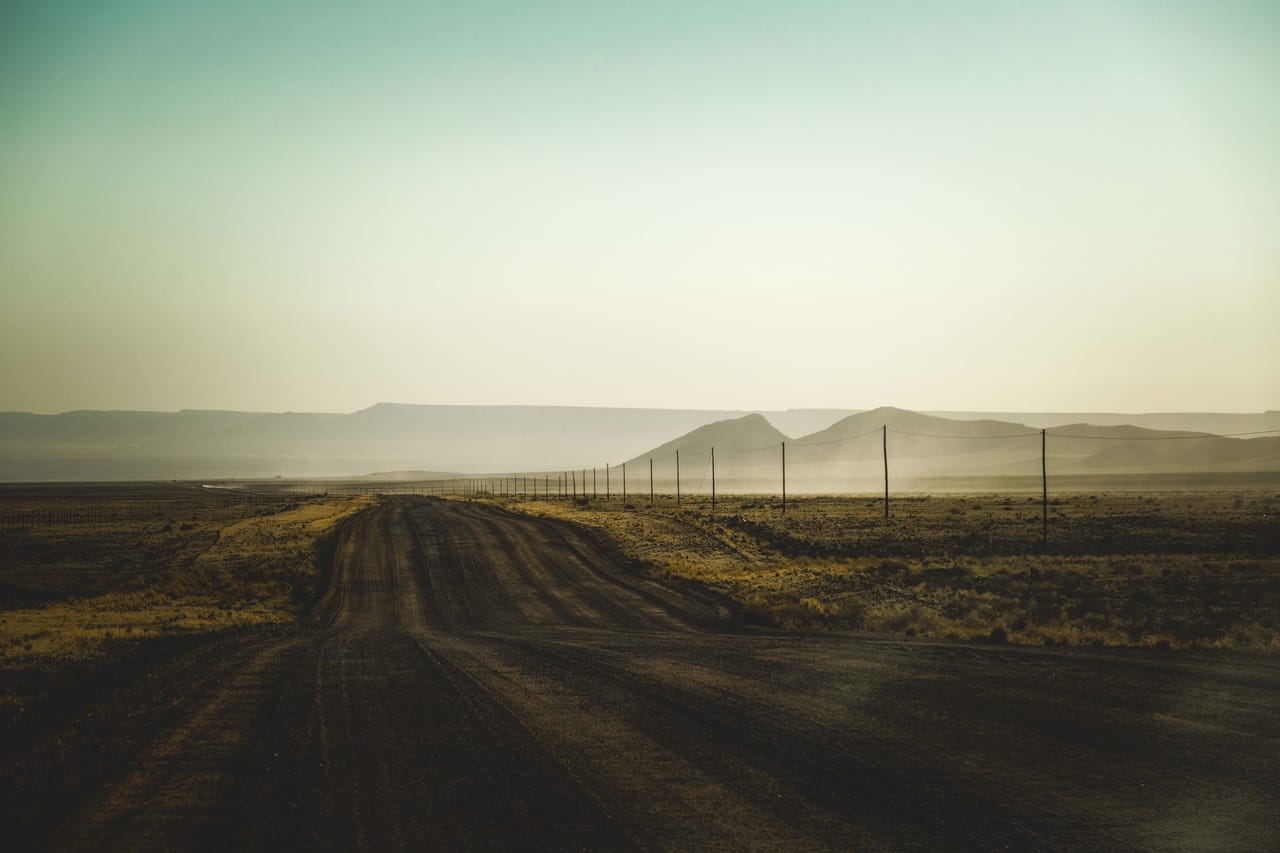
On Rote the dry season runs roughly from late April or early May into October, with the driest, most reliable stretch from June through September. It sits a few weeks tighter than Bali’s at both ends. The island lies near 10°44’ south, deep in Nusa Tenggara, where the tropical rain belt that governs wet and dry in the tropics swings back over the southern islands sooner than it does further north 12.
That belt is the whole mechanism. Rainfall in the tropics tracks it as it migrates north and south across the year, so the dry season is simply the yearly window of low rain once the belt has moved off 2. Rote is small and low, 1,227 square kilometres topping out around 320 metres, sitting on Cenozoic sedimentary rock that banks very little water 13. So when the rain stops, the island dries hard and fast, and it dries earlier than the big islands to the northwest. The materials side of all this, how the roads, the mould, and the power behave across the two halves of the year, is its own subject. What matters for your calendar is the shape: a wet tail in April, a hard dry core mid-year, a soft dry tail into October and sometimes November.
Arriving Early: What the Last Weeks of the Wet Buy You
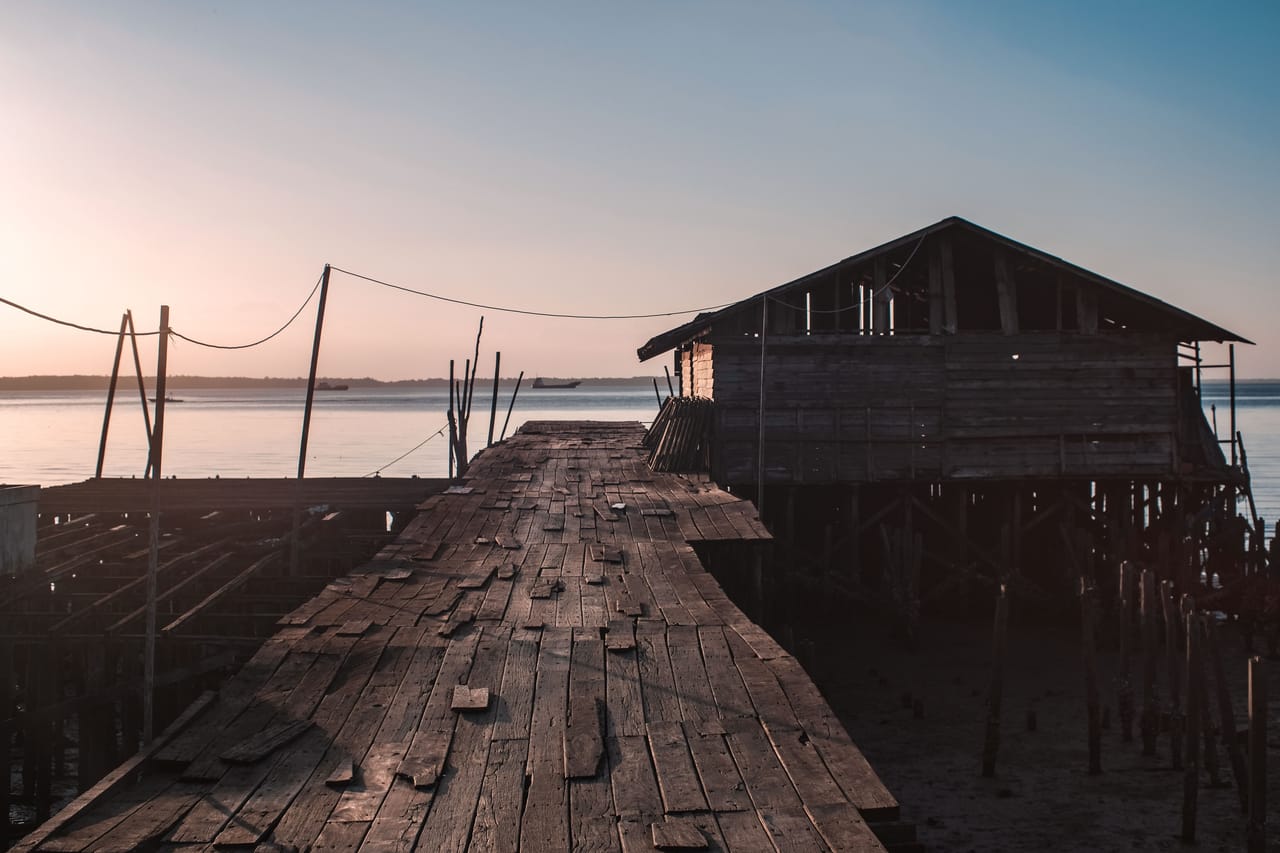
Land in the last weeks of the wet, late April into early May, and you catch the island at its fullest. The ground is still green, the wells are still high, and the light hasn’t gone to hard white yet. Rote’s birdlife is loud through this stretch, with honeyeaters like Lichmera indistincta, flowerpeckers such as Dicaeum maugei, and white-eyes among the most recorded of some 3,333 logged observations around the island 4. It reads as a place with water in it, which the July version of Rote does not.
The practical payoff is bigger than the scenery. You arrive before anyone competing for a house has arrived. Peak demand lands with the middle of the dry, so showing up in the shoulder puts you in front of an owner who has no other tenant lined up, which is exactly the moment renting a house tips in your favour on price and length of term. The timing of when you actually talk money is the whole game, and early is when your leverage is highest. You also get weeks to settle the boring machinery of a long stay while the island is calm, sorting a motorbike and learning the roads before the dust makes them mean.
The Real Cost of Each Month You Add or Cut

Every month at the extremes buys or loses something specific, and the trade is never neutral.
Push your arrival back to July because it “feels safer” and you pay for it three ways. You land into the demand peak, so houses are taken and rates are firm. You arrive to an island already dusty, the wells already dropping, the light already flattened. And you have shaved off the greenest, cheapest weeks of your own stay for nothing but the comfort of a calendar you copied from Bali. The dry core from June to September is the most reliable weather of the year, dependable and bright, but it is also the most crowded, the most expensive, and the least forgiving on water. You do not need to aim for it. It arrives on its own while you are already here.
The same logic runs in reverse at the back end. Book your flight out for the end of August because that is when the season “ends” and you hand back six of the best weeks on the island.
Leaving Late: The Back End Nobody Books
The tail of the dry, late September into October, is the most underbooked window on Rote and one of the finest. The crowd that came for the mid-year core has gone home. Houses that were firm in July are suddenly negotiable again, because the owner is staring down an empty low season and would rather keep a paying tenant than an empty room. The sea is often at its best in this stretch, and the island exhales.
This is also where the honest surf story lives. Rote does not work for a short surf trip, where the waves are few and inconsistent and the lineup fills the moment anything breaks. The only version that pays is slow surfing, staying long enough to be here on the handful of days the swell, the wind, and the tide line up. Those days do not fall on a two-week booking. They fall to the person still on the island in the quiet tail, waiting, which is precisely the reader who arrived early and left late. Patience is the entire strategy, and the calendar is how you buy it.
Working Around the School Year and the Visa Clock
Two hard dates can override the seasonal logic, and both deserve a quick check before you lock anything in.
If you are moving with kids, the school calendar sets a floor under your arrival, since the mid-July start and the arrival windows that work for families pull you earlier than the weather alone would. Let that constraint win where it applies, then optimise the departure date around it instead.
The visa is the other clock. Your entry stamp starts a countdown, and the length of stay you are allowed decides how much of the shoulder you can actually hold on each side. Plan the visa run around the months you want to keep, not the other way around, so a renewal date never forces you off the island in the exact week the back-end tail turns good.
How to Set Your Dates
Start from the two halves of the year the long-stay picture already lays out, then push against both ends. Aim your arrival at the wet-into-dry shoulder, late April or early May, unless the school year pulls you earlier. Aim your departure at the dry-into-wet tail, October rather than August. Fill the visa and rental dates inside that frame instead of letting them dictate it.
The middle of your stay takes care of itself. The dry core is reliable enough that you can ignore it when planning, because you will already be living inside it. The weeks that actually reward a decision are the ones at the edges, the cheap green front and the empty golden back, the two stretches almost everyone flying in on Bali’s calendar never sees. Book those on purpose and the rest of the year is just the time in between.
Sources
Footnotes
-
Rote Island — dati (Wikidata). wikidata.org ↩ ↩2
-
Dry season — Wikipedia. en.wikipedia.org ↩ ↩2
-
Geologia dell’area di Rote Island (Macrostrat). macrostrat.org ↩