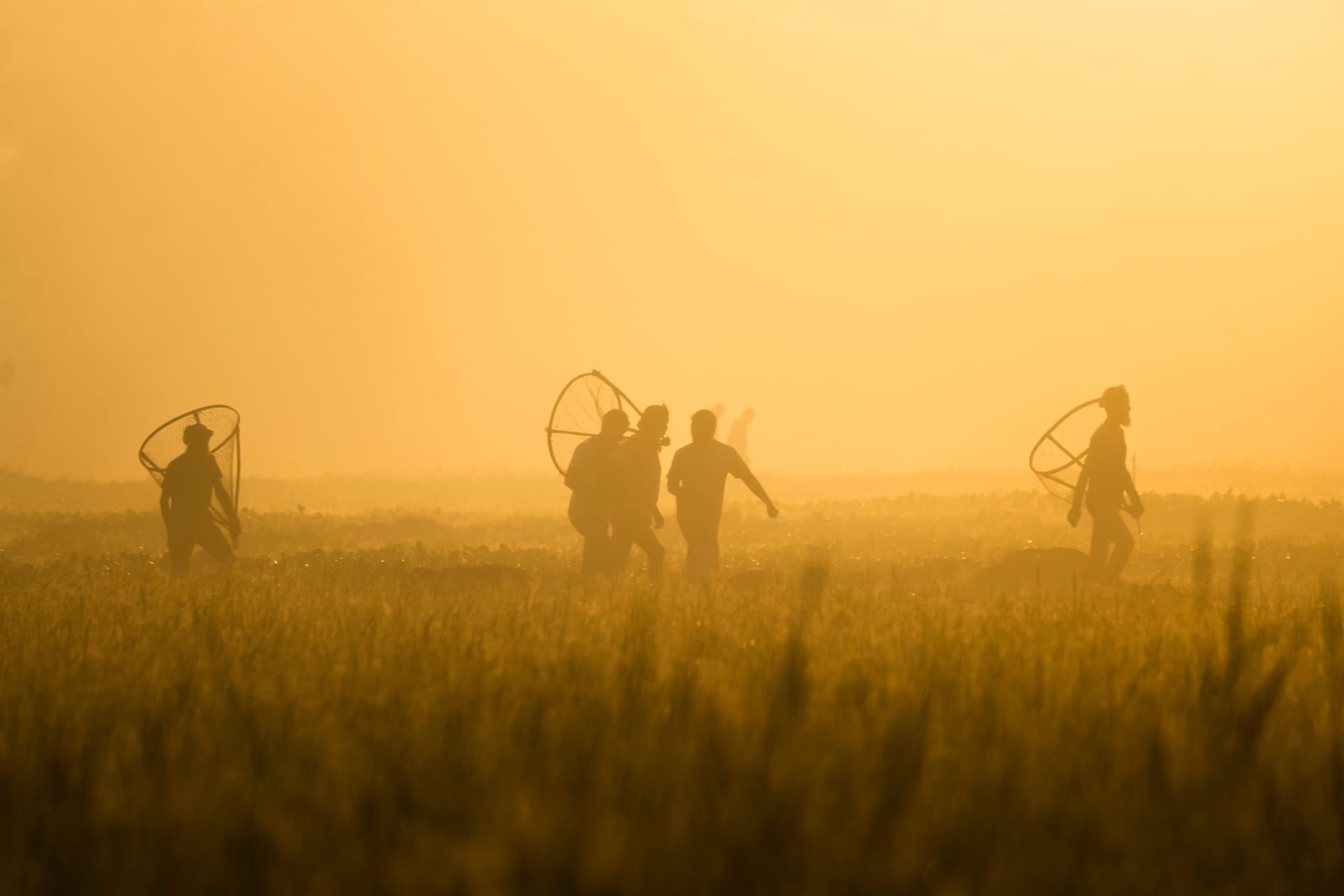
A neighbour once knocked on my door before six in the morning with a machete in his hand. Nothing was wrong. He was rounding up men to clear a widow’s garden two houses down, and my name was on his mental list because I live here now, and that is simply what living here means. That knock taught me more about Indonesian culture and customs than any etiquette page ever had, and it taught me a lot faster.
If you’re weighing three to eight months a year on Rote, or a full move, the tip lists online will carry you about a third of the way. They describe an Indonesia that is Muslim, Javanese, and urban. Rote is Christian, Rotenese, and rural. So take the national rules as a foundation, then learn where the island quietly rewrites them.
The Rules That Hold Everywhere in Indonesia
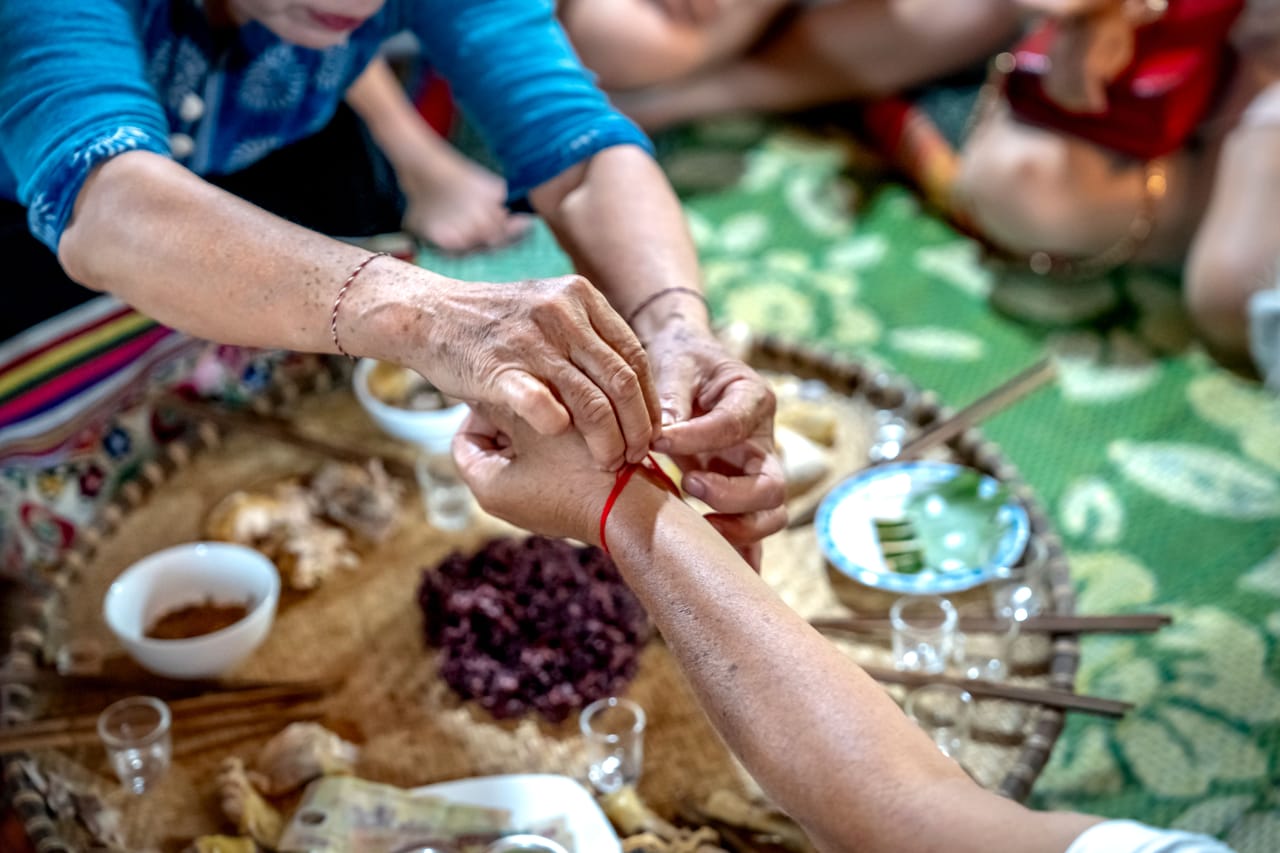
There is a shared substrate under the whole archipelago, and it holds from Jakarta to the smallest village on Rote. Indonesia has more than 600 ethnic groups, shaped by Austronesian and Melanesian roots and centuries of Hindu, Buddhist, Confucian, Islamic, and Christian influence, so the surface varies enormously.1 The manners underneath stay remarkably steady.
Use your right hand to give, receive, eat, and point. The left hand is for the bathroom, and offering something with it reads as an insult even when you mean well. Take your shoes off before you step onto someone’s floor, and watch what your host does at the threshold rather than guessing.
Age and position carry real weight. You greet the oldest person in the room first, you lower your voice and your body slightly around elders, and you never correct someone senior in front of others. Losing face, what Indonesians call malu, is something people will go a long way to avoid, both for themselves and for you. A direct “no” is rare. You’ll hear “maybe,” “not yet,” or “we’ll see,” and each of those is often a polite refusal.
Religion is public, assumed, and part of small talk. People will ask which faith you follow within the first few minutes, and “none” lands as strange rather than neutral. Dress with your shoulders and knees covered when you’re away from the beach, especially around any place of worship. Picking up a little Bahasa Indonesia does more for you than any of this, because effort in the language signals respect before you’ve said anything of substance.
Where Rote Breaks the Template
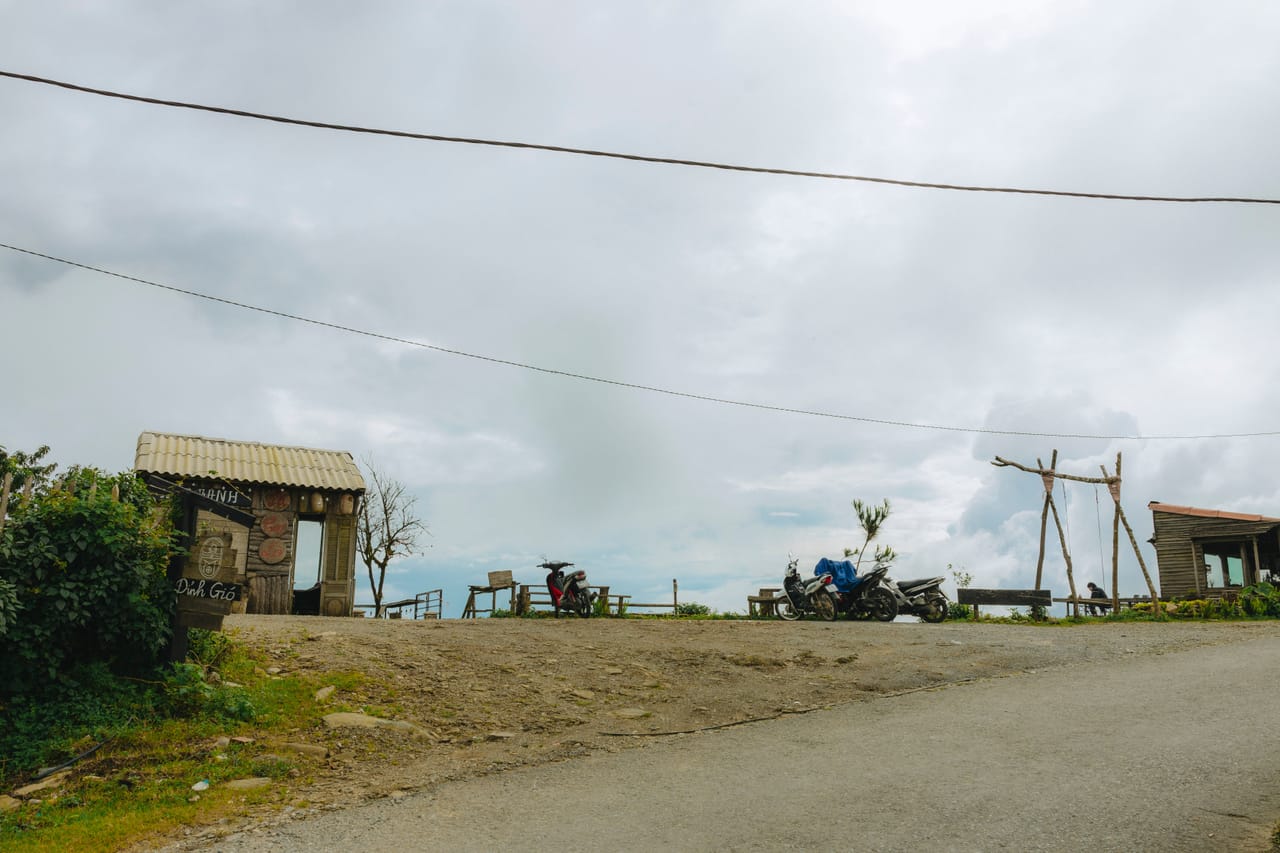
Here is where the generic guides fall apart. Rote sits in Nusa Tenggara Timur, in the Christian, eastern half of the country, and the Rotenese are a distinct people with their own language, their own ritual life, and their own social order that anthropologists have documented for more than fifty years.2 The mental model most newcomers arrive with was built for the Muslim, western half, and it will trip you up within a week.
| National rule you’ve read | What actually happens on Rote |
|---|---|
| Islam shapes the calendar and daily life | Protestant Christianity does; Sunday, not Friday, is the day everything stops |
| Alcohol is frowned upon | Sopi, the local palm liquor, is poured at almost every gathering and refusing the first glass is awkward |
| Pork is taboo | Pork is the centrepiece of feasts, weddings, and funerals |
| Ramadan structures a whole month | Ramadan passes quietly; the church calendar and the harvest set the rhythm |
| Business runs on the clock | Adat, customary obligation, outranks any schedule you’ve made |
None of this means the national manners stop applying. You still lead with your right hand, still cover up around the church, still defer to elders. The religion changed, the food changed, the ritual world changed, and the courtesy stayed the same.
Nobody Does Anything Alone
That six a.m. knock has a name. Rotenese life runs on mutual obligation, the same principle the pillar on Rotenese culture calls gotong royong and madene, and the short version is that help flows in both directions and never stops. What matters for you is the mechanics, because as a foreigner you’re not exempt, you’re watched.
When someone builds a house, harvests, holds a ceremony, or buries a parent, the neighbourhood shows up with labour, food, and money. You will be expected to show up too. Not because anyone will bill you, but because your absence gets noticed and remembered, and it quietly decides how you’re treated for years. The men working the tidal flats at low water, tending the seaweed farming that lines the shallows, operate on the same logic: today your line, tomorrow mine.
Life events are where the obligations get heavy. The web of contributions around Indonesian wedding traditions and funerals is its own system, with expected amounts and a running ledger the community keeps in its head, and it deserves proper attention on its own before your first big event. For now, know that turning up with an envelope is normal, and that sending money while staying home is the one move that reads exactly as badly as you’d fear. Presence is the currency. Cash without a face attached buys you nothing.
The upside is real and it’s the reason people stay. Once you’re inside this exchange, you are looked after in a way no service you could pay for would match. Someone notices when your gate stays shut two days running. Someone brings fish when they’ve caught too much. You stop being a guest and start being a name on the list, and that knock at dawn becomes a compliment.
Arriving Properly: The First Two Weeks in a Village
Your first fortnight sets your reputation, and most newcomers waste it by hiding. Do the opposite. Go and introduce yourself before anyone has to wonder who you are.
Start at the top of the local structure. Pay a short visit to the kepala desa, the village head, and to the RT and RW, the neighbourhood chiefs who manage the small blocks of houses around you. This isn’t bureaucracy, it’s courtesy, and it also happens to be how your presence gets registered and blessed. Bring something small. A little sugar, coffee, or a packet of betel and areca for the older folks all land well, and offering betel nut to an elder is an old gesture of respect that will make you memorable for the right reasons.
Learn the order of things. You greet the eldest first, you accept the coffee or the glass you’re handed even if you only sip it, and you sit and talk for far longer than feels efficient to you. Leaving after ten minutes reads as cold. An hour on a plastic chair, going nowhere in particular, is how relationships actually start here.
Get to church at least once early on, whatever you believe. It’s the social hub of the week, the place where the whole village is in one room, and showing up signals that you take the community’s life seriously. Bring a notebook for names, because you’ll be introduced to thirty people in an afternoon and remembering even five of them the next day is worth more than any gift. Add a handful of words in Bahasa Indonesia and, better still, a greeting in the Rotenese language, and you’ll watch faces open.
Speaking, Silence, and Saving Face
Rotenese communication runs indirect, and the fluency that matters most is reading what isn’t said. A request often arrives wrapped in a story. A refusal comes as a soft “belum,” meaning “not yet,” which usually means never. Push for a straight answer and you force someone to either lie or embarrass you both, so learn to sit with the ambiguity.
Never dress anyone down in public, including staff, drivers, or builders. If there’s a problem, raise it quietly, one to one, with a way out that lets the other person keep their standing. The elevated, paired speech the Rotenese use in their own ritual poetry, documented across two domains of the island, shows how much this culture prizes careful, layered language over blunt speech.2 You don’t need to master any of that. You just need to stop treating directness as a virtue.
What You’ll Get Wrong in the First Three Months
Everyone stumbles, so here’s where, so you can stumble less. You’ll try to solve an obligation with money and skip the event itself, and you’ll feel the chill afterwards. You’ll refuse food or that first glass of sopi to be polite about your health, and read as standoffish instead. You’ll answer a soft “maybe” as if it were a real maybe, and turn up to something that quietly got cancelled.
You’ll schedule your week like a European and lose whole days to a ceremony nobody warned you about, because adat doesn’t send calendar invites. You’ll lift your phone to photograph a funeral or a ritual without asking, and kill the goodwill you’d spent weeks building. You’ll tip in situations where tipping insults, and fail to contribute in the ones where a contribution is expected.
The country holds hundreds of distinct cultures under one flag, and Rote is one small, particular corner of it.1 Get these first months slightly wrong, apologise plainly, laugh at yourself, and keep showing up. The showing up is what people remember, and it’s the only thing that turns a foreigner into a neighbour.
Sources
Footnotes
-
Culture of Indonesia — Wikipedia. en.wikipedia.org ↩ ↩2
-
Ritual Voices of Revelation: The Origin Narratives of the Rotenese of Eastern Indonesia. books.google.co.id ↩ ↩2