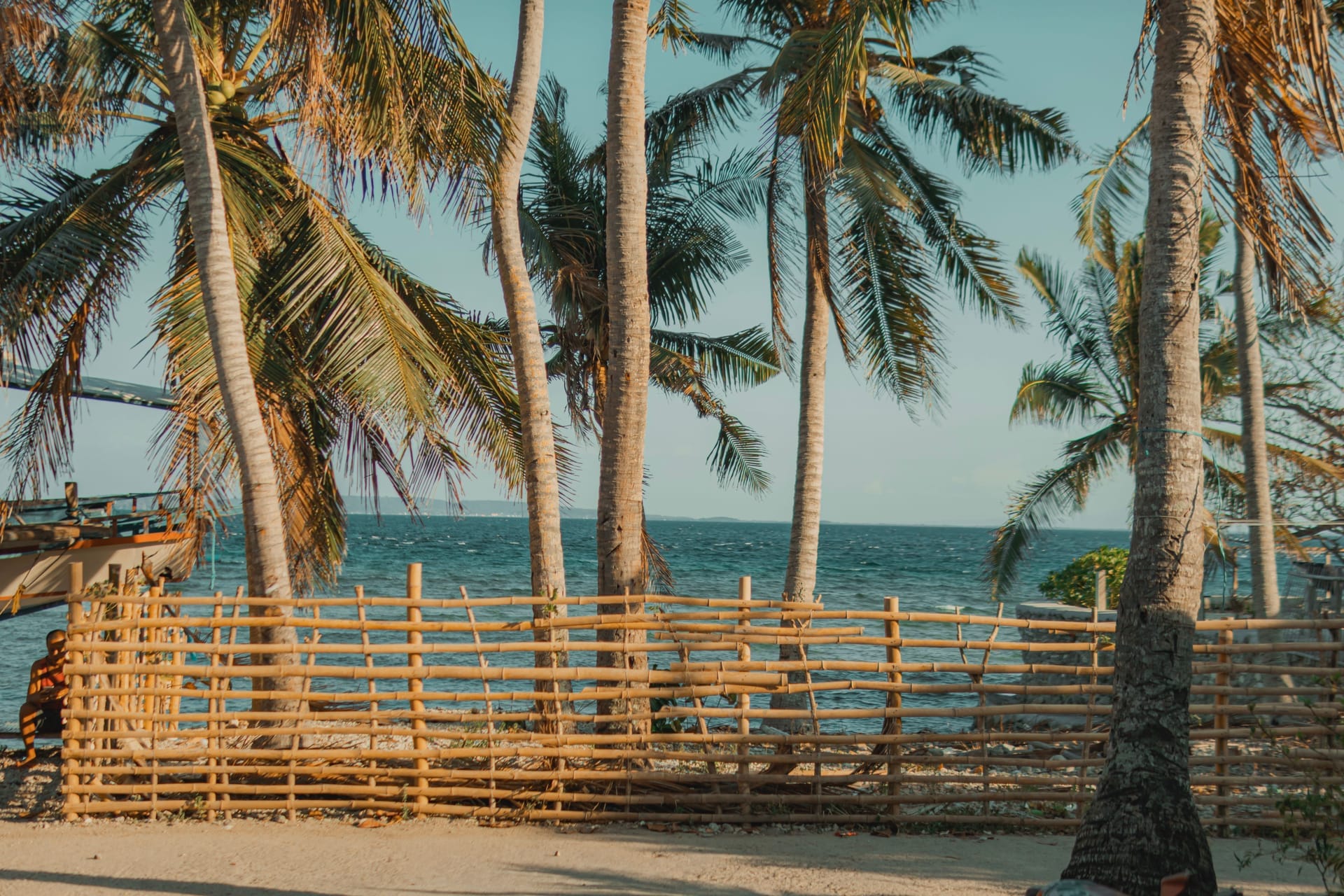
Someone quoted you a price for a piece of Rote, and now you want to know whether it’s fair. That’s the honest reason most people start looking into rote island property investment, and it’s the right instinct. Inside the same regency, land asks anywhere from around 100,000 IDR per square metre for a big interior plot to roughly 1,950,000 IDR per square metre for beachfront at Nembrala. That’s a spread of about twenty times on one small island. Nobody publishes a market here, because there isn’t one to publish. There are a handful of asking prices and a lot of talk. Here’s how to read that spread, and what really lands in your hands when you pay top money for rote island land values.
What Land Actually Asks on Rote Right Now
Read the numbers below as what sellers are asking on public listings around August 2026, not as market values and not as valuations. On Rote the difference matters more than almost anywhere, because there are so few transactions that no one can tell you what land “goes for.” They can only tell you what someone hoped to get.
The public record is thin and messy. The main Indonesian portals carry roughly twenty-one listings for the entire regency, with the same plot appearing under three different village names, and obvious typos sitting in plain sight (a six-square-metre lot priced like a house, a hundred-square-metre lot priced in the billions). That’s the raw material, and it needs cleaning before it means anything.
Normalised to price per square metre, and grouped by the kind of location that actually drives value here, asking prices fall roughly like this. Conversion is shown once at around 17,000 IDR to the euro.
| Location band | Typical lot | Asking (IDR/m²) | Approx. EUR/m² |
|---|---|---|---|
| Beachfront, Nembrala | 800–1,500 m² | ~1,950,000 | ~115 |
| Beachfront, outside Nembrala | 1,000–3,000 m² | ~600,000–1,000,000 | ~35–60 |
| Second row / sea view | 500–1,500 m² | ~350,000–650,000 | ~20–38 |
| Agricultural interior | 2,000–5,000 m² | ~150,000–350,000 | ~9–20 |
| Large rural parcel | 1 ha and up | ~100,000 and below | ~6 |
The top of that column asks for around twenty times the bottom. On an island of 1,227 square kilometres 1 with one small, seasonal resale pool, that gap is the whole story. The next section is why it exists.
Why the Same Island Has a 20x Spread
Where there’s no reliable portal and no comparable sales, price gets built by hand out of a few variables, and you can walk each one.
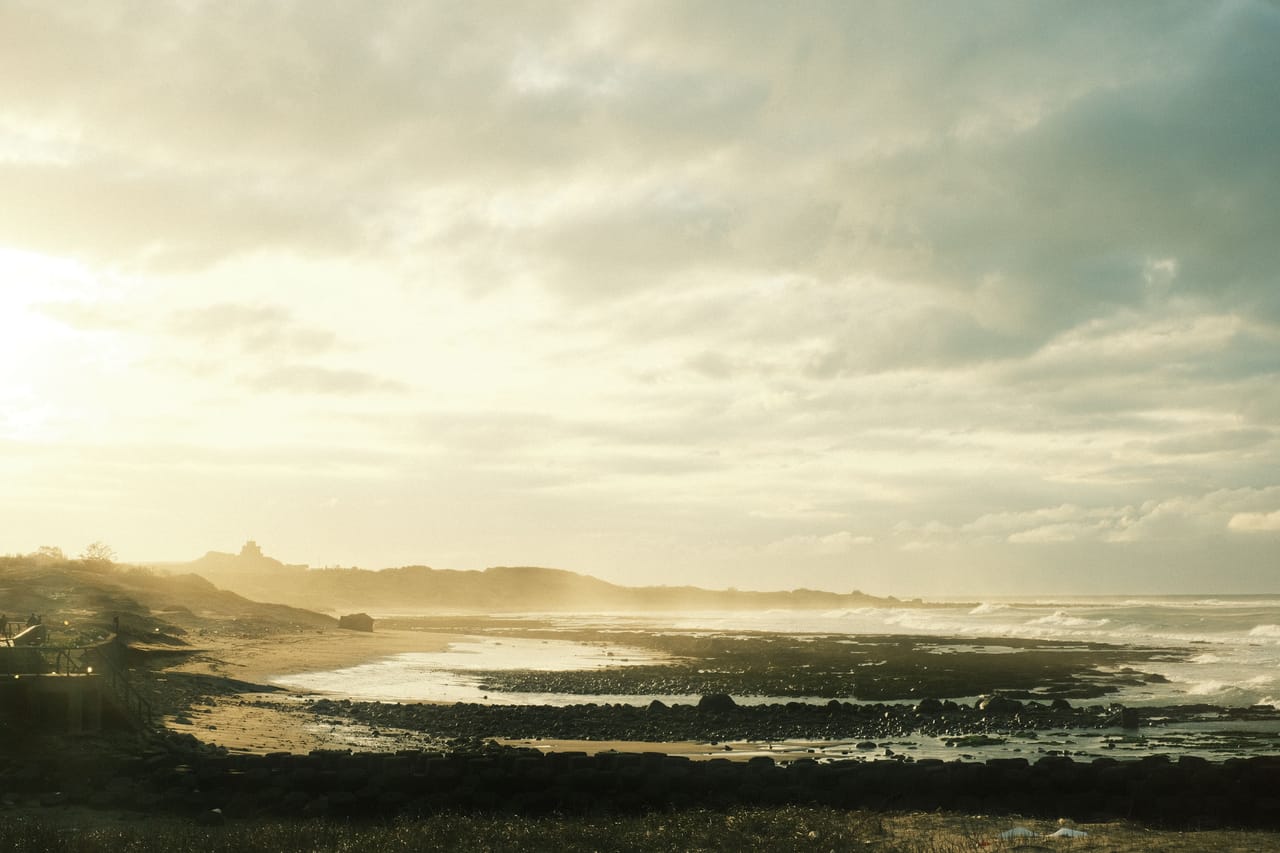
Distance to a usable beach and to a wave that actually breaks is the first. A plot that looks “near the ocean” on a map can sit behind a reef flat you can’t swim off or a cliff you can’t get down. The metres that command Nembrala money are the metres you can walk barefoot into warm water, and there aren’t many of them.
Real road access is the second, and it lies to you on satellite view constantly. A line on the map is often a dry-season track that turns to grease in the rains. Water and power are the third. Rote is built largely from Cenozoic sedimentary rock 2, so groundwater depends heavily on where you dig; one plot hits a clean well at eight metres and the neighbour drills into rock and nothing.
Then there’s who’s selling, and the certificate they hold, which decides how much of the price is for land and how much is for future paperwork. And the most underrated variable of all: whether you asked, or whether you were offered. A foreigner who walks a village asking about beachfront generates a foreigner price, and that’s a normal feature of a thin market, not a scandal. Base land is cheap here partly because this is one of the lower-income corners of eastern Indonesia 3, and that floor is real. The premium on top of it is negotiated, person to person. If you want to see how this pricing logic sits against land prices across Indonesia, the national picture explains the floor; Rote explains the spread on top.
What You Are Actually Buying
Here’s the part no listing will tell you. When you pay Nembrala beachfront money, you are not buying “land” the way you would in Australia or Europe. You’re buying a bundle, and the price tag hides how thin some parts of that bundle are.
Stack it up honestly. The first thing your money buys is a legal right, and for a foreigner that right is a time-limited use title, Hak Pakai, never the freehold Hak Milik that a listing waves around. That single fact resets what “buying” means before you go any further.
The second thing is registration status, which is where a lot of Rote money quietly goes to sleep. Plenty of land here has never been titled at the national land office and exists only as village-level paper. You may be paying beachfront prices for something that still needs its first proper certificate before it’s yours in any enforceable sense.
The third thing is physical: the real road, the well that works, the power line that reaches you. The fourth is location, the barefoot-into-water metres that justify the top band. And the fifth, the one buyers forget until they try to leave, is liquidity, which for most Rote plots is close to zero in any given month.
Run a top-band plot through that stack and the picture sharpens. You’re paying a strong premium for the location layer, a fair amount for access and water if they’re genuinely there, and often almost nothing solid for the legal and exit layers, which are the two that protect your capital. A cheap interior hectare inverts it: you get real acreage and farmland, and thin everything else. Neither is a bad buy on its own. They’re just very different things wearing the same word “land,” and the annual costs of holding either, from property tax to upkeep, sit on top regardless.
Is the Certificate Even Real Yet?
Often, no. On an island like Rote, a meaningful share of the soil is customary land, held under adat and documented at most by girik or a village Letter C, which are records of who works the land, not registered titles. Buying that means paying for a first registration at the national land office, with its own timeline, cost, and risk of a competing claim surfacing halfway through.
This is not a paperwork footnote. A village-level document on adat land gives you a queue position, not a certificate, and the person who sold to you may not be the only one with a claim on it. Verifying what the seller actually holds, and getting it read at the land office before any money moves, is the single most valuable hour you can spend. The full method sits with checking the certificate before you pay; the principle is simple enough to state here, which is that on Rote you assume the land is unregistered until someone shows you, in the office, that it isn’t.
The Value Floor That Can Leave You Out
There’s a second trap hiding at the cheap end of the table. Indonesian regulation sets a minimum value below which a foreigner cannot register a home under Hak Pakai in a given province, and for the “other provinces” band that includes East Nusa Tenggara. The number is a floor on value, and it’s set with mainland pricing in mind.
On an island where a lot of lots ask less per square metre than almost anywhere on the tourist map, that floor bites in a way nobody mentions. A plot can be perfectly nice, perfectly cheap, and still sit under the value threshold that would let you hold a titled home on it as a foreigner. The cheapness that attracted you becomes the reason the title won’t work. How that threshold interacts with a real Rote budget belongs with the detail on what a foreigner can actually own, and it’s worth pricing in before, not after, you fall for a bargain.
What “Freehold” Means in Indonesia
If a listing sells you “freehold land,” read it as a marketing word, because as a foreigner you cannot hold Hak Milik, the actual freehold title, at all. The land empire listings that promise “rare full ownership” and then, in the same paragraph, mention a nominee arrangement or a foreign-owned company are describing two different things and hoping you won’t notice the seam.
Both routes around the ownership rule are real and both carry cost and risk that a headline never shows. Putting the title in an Indonesian’s name through a nominee arrangement means the person on the certificate is the legal owner, with everything that implies if trust breaks. Holding through a PT PMA foreign investment company is cleaner and heavier, with real setup and reporting behind it. Neither is “freehold.” When someone uses that word to you on Rote, the honest translation is that they want the sale and they’re borrowing a word from a legal system that doesn’t apply here.
Who Buys It Back From You
This is the question that decides whether any of the above was a good idea, and it’s the one no page on Rote answers. Ask it out loud before you buy: if you needed to sell in eighteen months, who is the buyer?
On a remote island 500 kilometres from the Australian coast and reached mainly through Kupang 4, the honest answer is that the pool is small and seasonal. Your buyer is another foreigner chasing the same barefoot metres, or an Indonesian developer, and there may be only a few of either looking in any given year. That means your exit runs on their timeline, and a quick sale usually means a real discount off the price you paid, sometimes a steep one.
That’s not a reason to stay away. It’s a reason to buy the layers that survive a thin market. Genuine location, clean and registered title, and a plot that produces something (a home you’d actually live in, a rental with a defensible rental yield) hold value when the resale queue is short. A speculative interior parcel bought at a foreigner premium, with village-only paper, is the hardest thing to hand on. Rote rewards buyers who plan to stay, and quietly punishes buyers who plan to flip.
Before You Wire Anything
None of this replaces a notary or a PPAT, and it shouldn’t. Treat the list below as the questions that keep you out of the expensive mistakes, then take the answers to a professional.
- Get the title read at the national land office before any deposit, and confirm it’s a registered certificate, not girik or a Letter C.
- Ask directly whether the land is titled or still customary, and price the first-registration cost and time into your offer if it’s the latter.
- Check the value against the provincial threshold for foreign-held Hak Pakai, especially on a cheap plot, before you assume you can hold a home on it.
- Walk the real road access in wet-season conditions if you can, and test the well and power, rather than trusting the map or the seller.
- Treat any “freehold” claim as a prompt to ask exactly which structure, nominee or PT PMA, is really on offer, and what it costs to run.
- Name your future buyer before you buy. If you can’t picture who resells this and roughly when, you’re paying for a view, not an asset.
Rote is a genuinely good place to put down roots, with warm water, a strong and largely Christian island culture 4, and a landscape still full enough of life that birdwatchers log honeyeaters and flowerpeckers by the hundred around it 5. The land is worth owning. It’s just worth owning with your eyes open about what the price includes and what it quietly leaves out.
Sources
Footnotes
-
Rote Island — dati (Wikidata). wikidata.org ↩
-
Geologia dell’area di Rote Island (Macrostrat). macrostrat.org ↩
-
Working with Nature against Poverty: Development, Resources and the Environment in Eastern Indonesia. play.google.com ↩
-
Rote Island — Wikipedia. en.wikipedia.org ↩ ↩2