Most first arrivals on Rote go wrong in the same place. You land in Kupang at two in the afternoon, glance at your phone, and the last connection onward left at noon. Now you are booked into a city you never meant to see, while your first night on the island sits empty across a hundred kilometers of sea. Nobody warned you that Kupang is not the destination but the hinge the whole trip swings on, and that the hinge only turns at certain hours.
Rote sits southwest of Timor, across the Savu Sea, roughly 150 km north of the Ashmore Islands and about 500 km northwest of the Australian coast 1. It is small, low, and quiet, topping out around 320 m of elevation over some 1,227 km² 2. There is no direct way in from abroad. Every route funnels through Kupang, and the whole skill of getting to Rote for the first time is fitting the pieces together in the right order so the last piece is still there when you reach it.
The Chain: Two Flights and a Crossing
Think of your trip as three links, not one journey. The first link is your flight into Indonesia, usually landing in Bali or Jakarta. The second is the domestic hop down to Kupang, the provincial capital on West Timor and the base for everything that follows. The third is the short leg from Kupang across to Rote, which you make either by a quick flight or by the ferry.
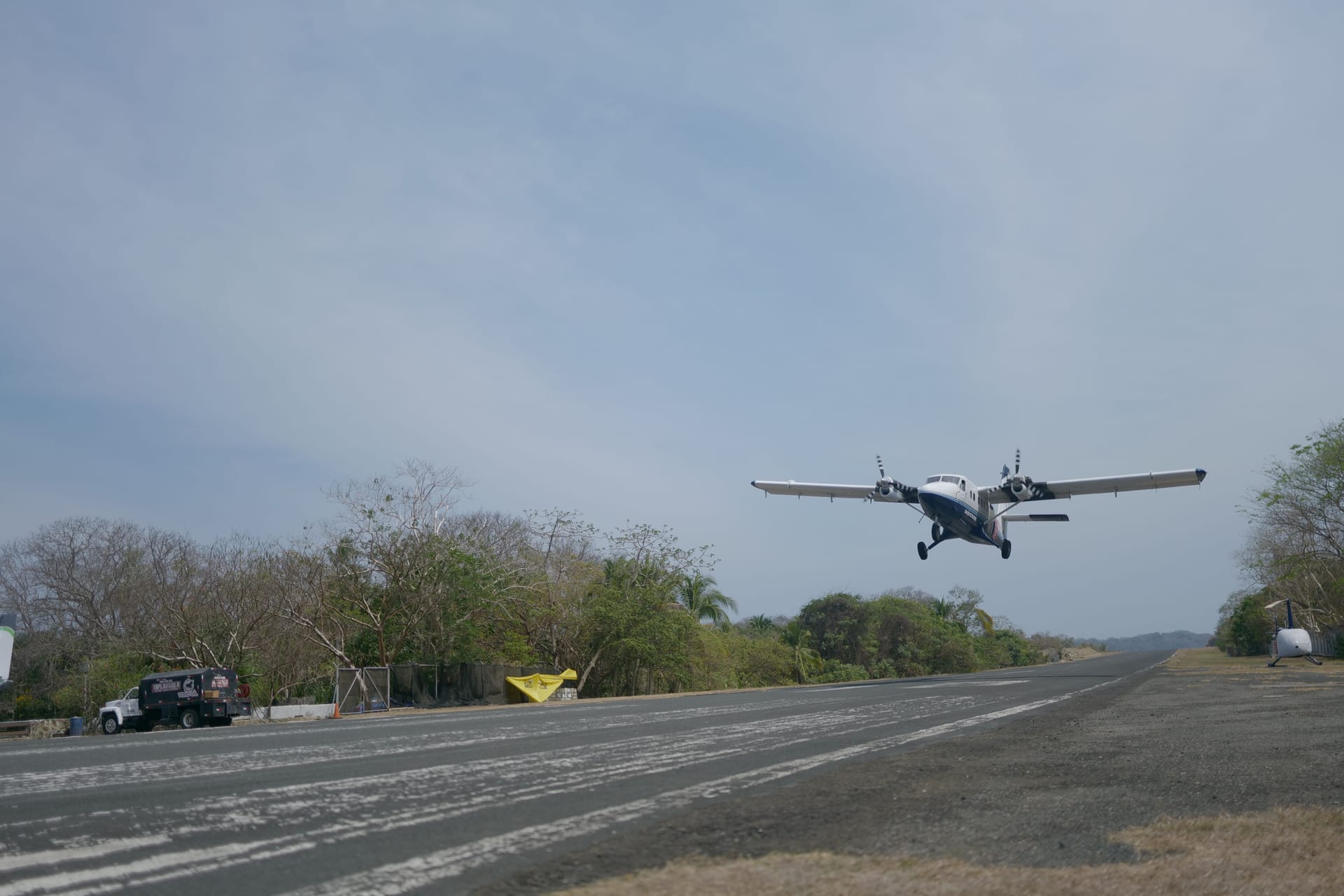
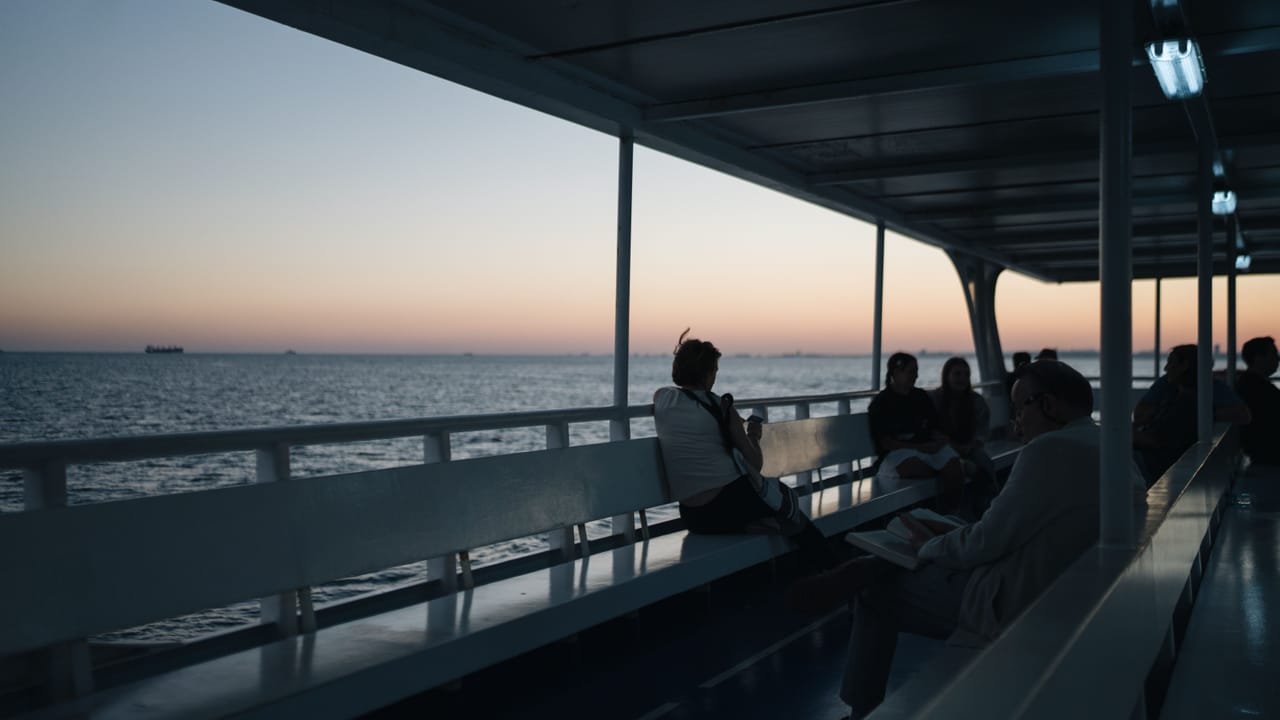
That last leg has two moods. Wings Air runs the short air route between Kupang’s El Tari airport and Rote’s David Constantijn Saudale airport, a flight of about thirty minutes when it goes 1. The sea crossing between Kupang and Ba’a, Rote’s main town, takes around two hours 1. Locals tend to treat the ferry as the one for cargo and certainty and the plane as the one for speed when you are travelling light, and they always bake in a buffer day. That is the character of the three vehicles in a nutshell, and the pillar on living out of Kupang walks through why residents lean one way or the other across a season.
For your first arrival, the point is simpler. Two flights get you to Kupang. One crossing gets you to Rote. The crossing is the fragile link, because it runs less often than you would like and does not wait for a late plane.
Booking It in the Right Order
Book from the island backwards, not from home forwards. This is the single habit that separates a smooth first arrival from a stranded one.
Start with the Kupang-to-Rote leg, because it is the least frequent and the most likely to force your hand. Decide which day you want to actually set foot on Rote, then work out which crossing puts you there. Only once that leg is fixed do you book the domestic flight into Kupang, and you book it to land with hours to spare before the crossing, never minutes. The international flight comes last, chosen to connect into that domestic hop with the same generosity of time.
Here is the ordering laid out plainly:
- Pick your Rote arrival day and the crossing that serves it.
- Book the domestic flight into Kupang to land the day before, or early enough on the day with a wide margin.
- Book the flight into Indonesia to feed that domestic connection.
- Book your first night on Rote for the day the crossing lands you, and hold a fallback night in Kupang in case the last link slips.
People book in the reverse order, cheapest international flight first, and then discover the connections do not line up. The flights into Kupang carry their own tangle of routings and combinations that can leave you stuck a leg short, so let the scarce link at the end of the chain dictate everything upstream.
Where the Chain Actually Breaks
The break almost never happens on the long-haul flight. It happens at the seam between the domestic arrival in Kupang and the last leg to Rote. Your plane from Bali runs late, the onward crossing does not care, and the seam opens.
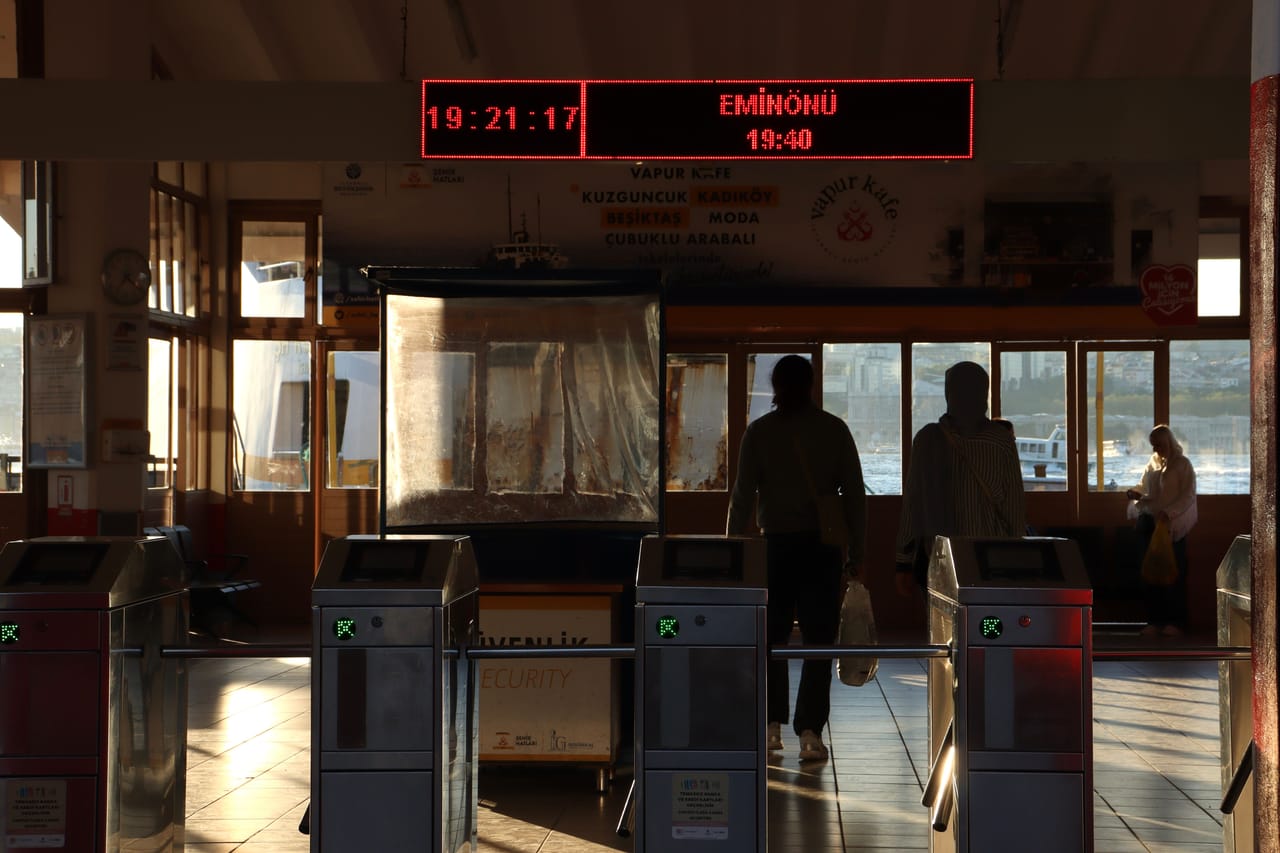
That is why residents keep a buffer day between arriving in Kupang and crossing to Rote. Land in the city, sleep there, cross the next morning fresh. It feels like a wasted day when you are staring at the calendar from home. It stops feeling wasted the first time weather or a delayed inbound flight eats the connection you thought was airtight. A buffer day turns a missed link into a minor annoyance instead of a scramble for a hotel and a rebooking in a place you do not know.
If you would rather not spend that night in the city, at least treat the same-day connection as optional. Book it, but book a refundable or cheap fallback bed in Kupang itself so that a slipped plane costs you an evening, not your whole first day on Rote. The chain breaks quietly. Plan as if it will, and it barely registers when it does.
Why This Guide Has No Timetable
You will notice there are no departure times here, no days of the week, no frequency table. That is deliberate, and it is the most useful thing this piece can give you.
Published schedules on this route rot fast. A ferry fare that sat at 80,000 IDR had climbed to 202,000 IDR by 2023, roughly USD 12 at about 16,500 rupiah to the dollar 1. If a price can nearly triple, a departure time can certainly shift, a route can pause, and a printed timetable can quietly mislead a reader six months after it was written. The pillar puts it well: treat any flight time you see as a hopeful suggestion.
So instead of numbers that age, hold on to decision rules that do not:
- Confirm the last leg within a day or two of travel, directly, not from a months-old listing.
- Always leave a buffer between the plane into Kupang and the crossing to Rote.
- Assume the crossing runs less often than your flights, and build the trip around that scarcity.
- Carry enough cash for the ferry or the airport, because the last leg is not the place to discover a card reader is down.
Those four rules survive every schedule change. A screenshot of today’s ferry board does not.
What You Need in Hand Before the First Plane
You board the first plane with your entry documents already sorted, not with a plan to sort them at the airport. Getting to Rote is a logistics problem, but it rides on top of an immigration one, and the two meet at exactly one point: what you are holding when you check in for the flight into Indonesia.
Sort your visa on arrival before you leave, ideally as the electronic version, so the document question is closed before you are standing at a counter with a queue behind you. The reason it matters for arrival day and not just for immigration is that your point of entry shapes the whole first stretch. Where you clear immigration sets which onward flights you can catch and how much of your buffer you spend on formalities. A first-timer who lands with the entry piece already handled walks straight into the domestic-connection problem. One who does not can lose the very buffer this trip was built around.
That is the whole overlap. Everything else about permits belongs to the visa side of things, not to your route map.
The Last Leg: Choosing the Crossing on the Day
By the time you are in Kupang, the choice narrows to two. Fly across in half an hour, or take the ferry over in about two hours 1. For a first arrival, pick by luggage and by nerves, not by price.
If you are travelling light and want to be on Rote by lunchtime, the short flight is the obvious call, weather and seats permitting. If you are hauling boards, bags, or anything you would rather not squeeze into a small aircraft’s hold, the ferry across to Rote is the honest choice, sea state and stomach permitting. The crossing has its own texture, its own cancelled runs, its own mornings when the swell makes you regret breakfast, and that is worth reading up on before you commit a plan to it. The comparison of the two, run by run, is not this guide’s job. This guide’s job is to get you standing at the harbour or the airport with the right amount of slack in your day to take whichever one is actually running.
One practical note for the day itself. Whichever you choose, arrive with cash and with time, and do not let a tight domestic connection push you onto a crossing you are not sure will go. The last leg rewards patience and punishes optimism.
Night Zero: Where to Sleep on Your First Arrival
Your first night on Rote is not the night to solve where you will live for the next three months. It is the night to land softly, and the trick is to pick the zone before you pick the place.
Land in Ba’a or near it if your crossing puts you there late, so you are not driving across an unfamiliar island in the dark on day one. If you already know you are heading for the west-coast bays, a first night close to where you actually want to be saves you a second move you did not budget for. The zone matters more than the property, because on Rote the difference between two areas is measured in the daily grind of getting anywhere, and a bed in the wrong corner of the island quietly taxes your whole first week.
Keep night zero simple and short. One or two nights, somewhere that gets you off the crossing and horizontal, and let the longer question of where nomads and long-stayers actually settle wait until you have slept and looked around. How the money moves once you land, how a month-long stay gets priced, none of that needs solving at the harbour. Your first arrival ends the moment you have a bed for the night in the right corner of the island. Everything after that is a different kind of decision, made rested instead of jet-lagged.
Questions First-Timers Ask
How long does the whole trip take, door to door? Plan on two days from your home city, not one. The flights into Indonesia and down to Kupang can eat a full day on their own, and the sensible buffer before the crossing to Rote adds the second. A first arrival that tries to compress this into a single day is the arrival most likely to break at the Kupang seam.
Can I just fly straight to Rote? No. There is no direct route from outside Indonesia. You reach Rote through Kupang, then take either the short Wings Air flight or the ferry for the final leg 1. The whole plan is really about that connection.
Do I need to sort anything at the immigration office once I arrive? Not for the arrival itself, if your entry document is already in order. Renewals and longer-stay formalities are handled later at the immigration office in Kupang, and they are their own errand, separate from getting yourself onto the island the first time.
Sources
Footnotes
-
Rote Island — dati (Wikidata). wikidata.org ↩