
Your box left Jakarta eight days ago. The tracking says it reached Kupang, then went quiet. You refresh the page, the status still reads “in transit to destination,” and you start wondering whether “destination” means your gate in Nembrala or a shelf in a warehouse across the water. That gap, between the parcel landing on the mainland and the parcel landing in your hands, is where every shipment to Rote actually lives. Nobody writing about shipping to Indonesia talks about it, because almost nobody writing about it has had to wait for a box on an island at the far southern edge of the archipelago.
Indonesia is the world’s largest archipelagic state, somewhere between 13,000 and 17,000 islands depending on how you count them.1 Rote is a small one near the bottom, about 1,227 square kilometres of it, out in Nusa Tenggara past the end of the tourist map.23 Shipping here is less about the long-haul leg across oceans and more about the last short hops nobody quotes you a price for. If you are serious about living and working remotely from Rote, you will import things, and you may as well know how the pipe really works before you need a part that does not exist within a thousand kilometres.
The route: your parcel goes through Kupang, always
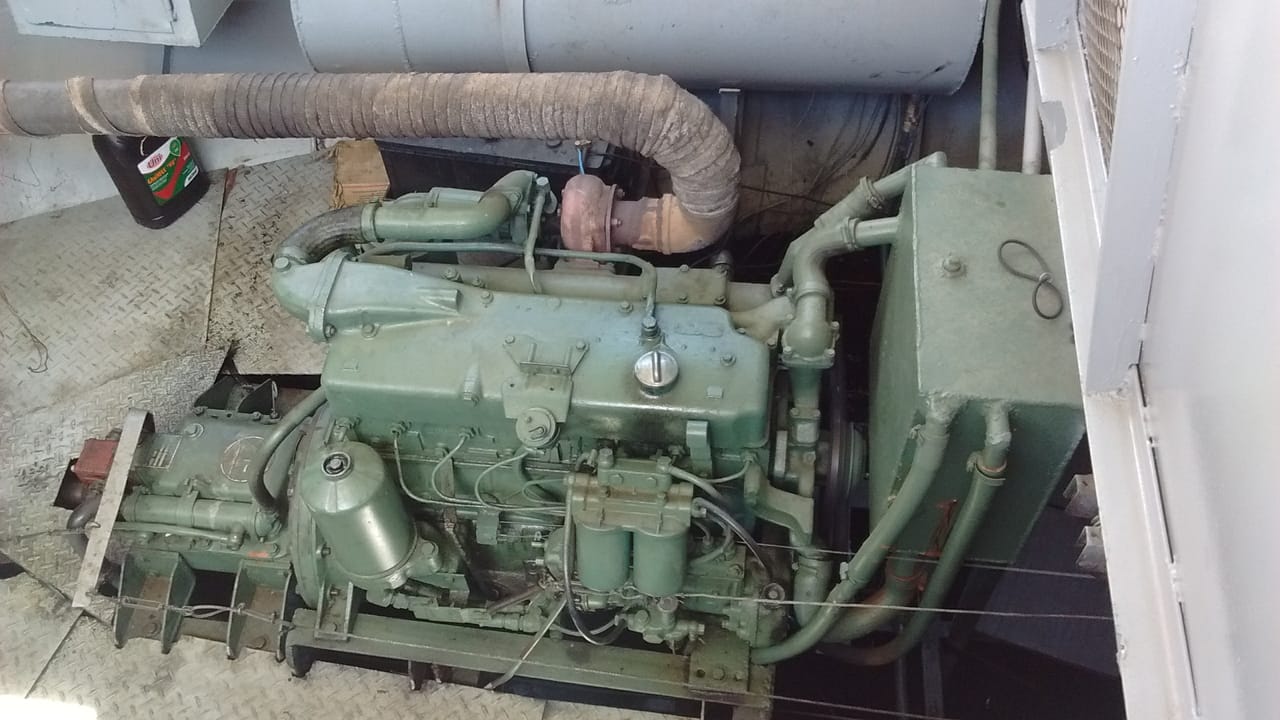
There is no direct anything to Rote. Whatever you order, from wherever, the package funnels down the archipelago to Kupang on Timor, and Kupang is where it becomes your problem. This is the same reason Kupang works as the practical base for living out here: it is the hinge between the national network and the island.
From Kupang the parcel has to cross water, and people make the same crossing. A fast ferry runs from Kupang over to Ba’a in a few hours, with a cheaper economy fare for those who want it. The schedule is loose. It usually leaves Kupang in the morning depending on weather and bookings, and if the fast ferry is missed there is a slower boat later in the morning. Freight moves on the same weather and the same boats as the passengers, so when the sea is bad and the ferry sits in port, your box sits with it.
Ba’a is where parcels and people both come ashore on Rote. From there it is still a drive to wherever you actually live. A private car from Ba’a across to the Nembrala side is the quick way over, and a shared taxi arranged ahead is the cheaper one. Your parcel takes a version of that same last leg, by whatever van or rider the courier uses, and that final stretch is the part no national tracking number understands. If you plan to move around the island collecting things yourself, it is worth sorting out getting around Rote on two wheels early, because a scooter and a dry bag solve a lot of last-kilometre problems the courier will not.
What customs does with your box
Here is the thing to internalise before you buy anything from abroad. A customs form is not paperwork the sender fills in to be tidy. Foreign customs authorities use it to clear your mail into the country and, where it applies, to assess duty and tax on it.4 The contents and the value you declare are the numbers Indonesian customs work from, and if that form is wrong or vague, the parcel gets delayed or the charge comes back wrong.4 The person sending completes it, so if that is a seller overseas, you are trusting a stranger to describe your box accurately to a customs officer who has never met either of you.4
For an inbound parcel the mechanics are usually simple from your side and expensive from your wallet. The courier or the postal service clears the box through customs on your behalf and collects whatever duty and tax is owed before they hand it over. You do not stand in a government office; you pay a bill at the door.
What I will not do is quote you a duty rate or a tax-free threshold, because the figures move and the number that was true last year will quietly cost you money this year. A parcel can face a value threshold below which it comes in cheaply, and above which duty and tax apply to the declared value, with the shipping cost often counted inside that value too. Before you order anything that matters, ask your courier for the current threshold and the current rate for your category. Treat any blog that gives you a confident percentage with suspicion unless it also tells you the date it checked.
Why electronics are the parcels I worry about

Electronics are where the quiet traps live. The first one is a timing trick most people only learn after losing money. How an item is treated at the border can depend on whether it arrives with you or in a box, and the version that comes with you in your own bag often fares better. If you are flying in anyway and the laptop or camera is going to live with you, carry it. Shipping it to yourself is the expensive way to own something you already own.
The second trap is the network. A phone bought overseas and posted in can face extra steps before it works on local mobile networks, and sorting that out after the fact is painful. Before you order a phone, tablet or anything with its own SIM, confirm with the courier exactly what registration, if any, the parcel needs at the customs stage, because once it is in your hand uncleared it is much harder to fix. This is the single question I would not skip.
The third trap is the climate, and it starts the moment the box is opened. Heat and humidity are hard on anything with a battery or a board, so part of planning a shipment of electronics is planning where the gear will live once it arrives. It is worth thinking through keeping a laptop alive in Rote’s heat and humidity before you spend on the thing, not after the screen fogs up.
The things that never arrive
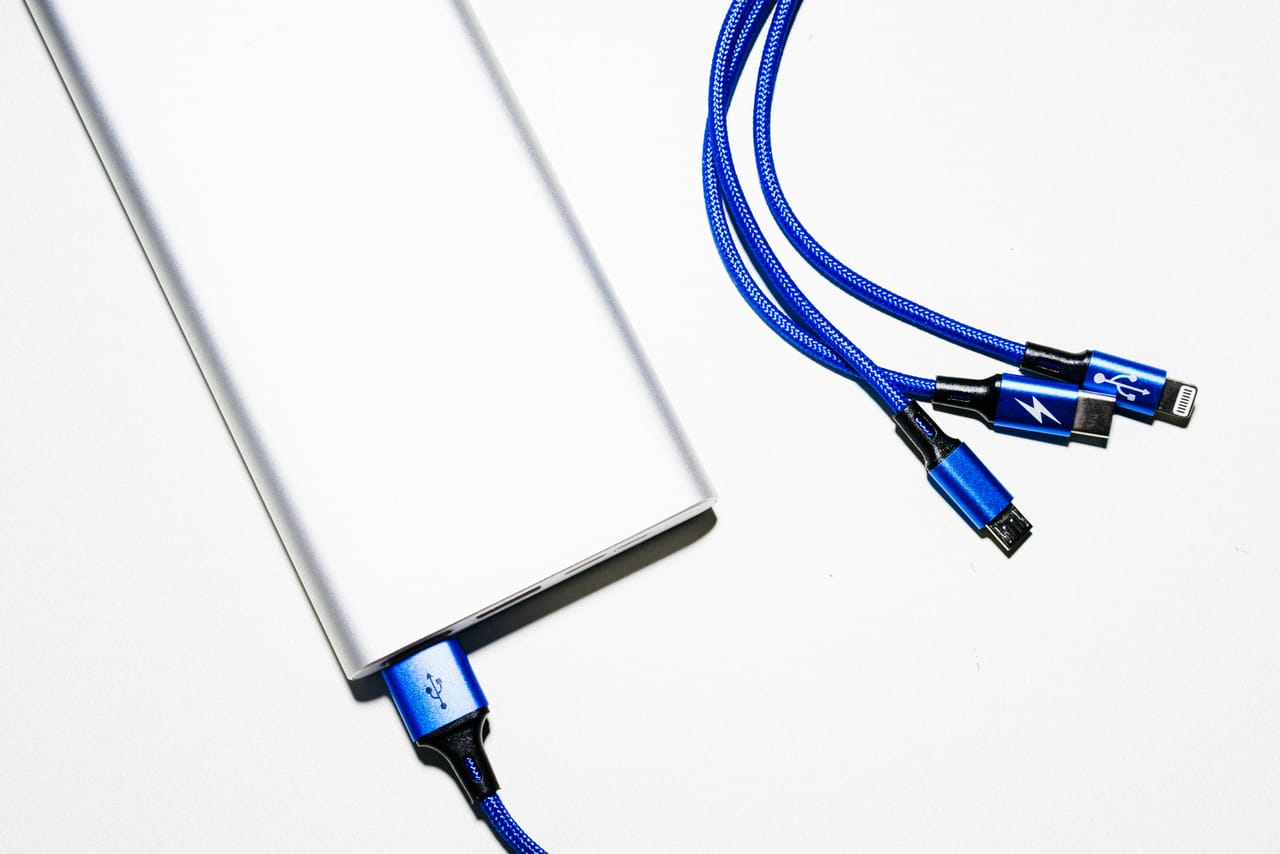
Some parcels are not slow. They are simply never going to make it, and the failure happens on the last leg rather than at customs.
Anything the airlines treat as dangerous goods is the obvious casualty. Loose lithium batteries, power banks, large aerosols and certain liquids are commonly refused or restricted on flights, and on the mainland the usual answer is to move them overland instead. The crossing to Rote finishes on a small aircraft and a boat, so “send it by road” is not a real option here. A power bank that would have travelled by truck between two Javanese cities has nowhere to go once the route needs wings and a hull.
Used goods are the other quiet killer. Shipping yourself your own old gear in a box sounds thrifty and can be more fraught than sending something new. When you relocate there may be a proper route for bringing in your existing household and work possessions, but that is a formal moving-goods process, not something you improvise by taping up a box of your old things and writing “used, no value” on the form. If you are relocating properly, line the paperwork up with the same care you would give to moving money into Indonesia, because customs and banking are the two systems that punish improvisation hardest.
How long does a parcel really take to reach Rote?
Expect the mainland portion to behave like normal Indonesian shipping, then add the island. The national leg to Kupang runs in the range you would see anywhere in the country, a few days by express and well over a week by economy, plus customs clearance on top for anything inbound from abroad. The part to budget for is everything after Kupang: the ferry crossing, the weather days when no boat sails, and the final drive or ride to your door.
The honest number is that you should think in weeks, not days, for anything coming from outside the country, and you should never trust the word “delivered.” On an island the status can flip to delivered when the box reaches a local handover point, while the box itself is still a ferry ride and a dirt road away from you. Plan your orders around that gap. If you need a part to keep working, order it before the old one dies, not the morning after.
Before you click buy
Write the address so a human can act on it, with a phone number that answers, because out here the last step is a person calling to ask where exactly you are. Declare the contents and value honestly, since a wrong form is the fastest way to get a box stuck.4 Ask, in advance, which courier actually carries parcels onto Rote itself rather than stopping at Kupang, and ask locally rather than assuming, because which company reaches which village changes and the only reliable answer comes from people already receiving boxes here. The folks already living on Rote long term are the fastest shortcut to knowing whose van actually turns up on your road.
None of this is exotic once you have done it twice. The pipe is Kupang, then water, then a last short leg that no tracking page respects. Ship for that reality, keep your expensive electronics in your own hand luggage, and treat every delivery date as a hopeful suggestion.
Sources
Footnotes
-
Indonesia — Wikipedia. en.wikipedia.org ↩
-
Rote Island — dati (Wikidata). wikidata.org ↩
-
Rote — Wikivoyage. en.wikivoyage.org ↩
-
Knowledge: Customs Forms - The Basics - FAQ | USPS. faq.usps.com ↩ ↩2 ↩3 ↩4