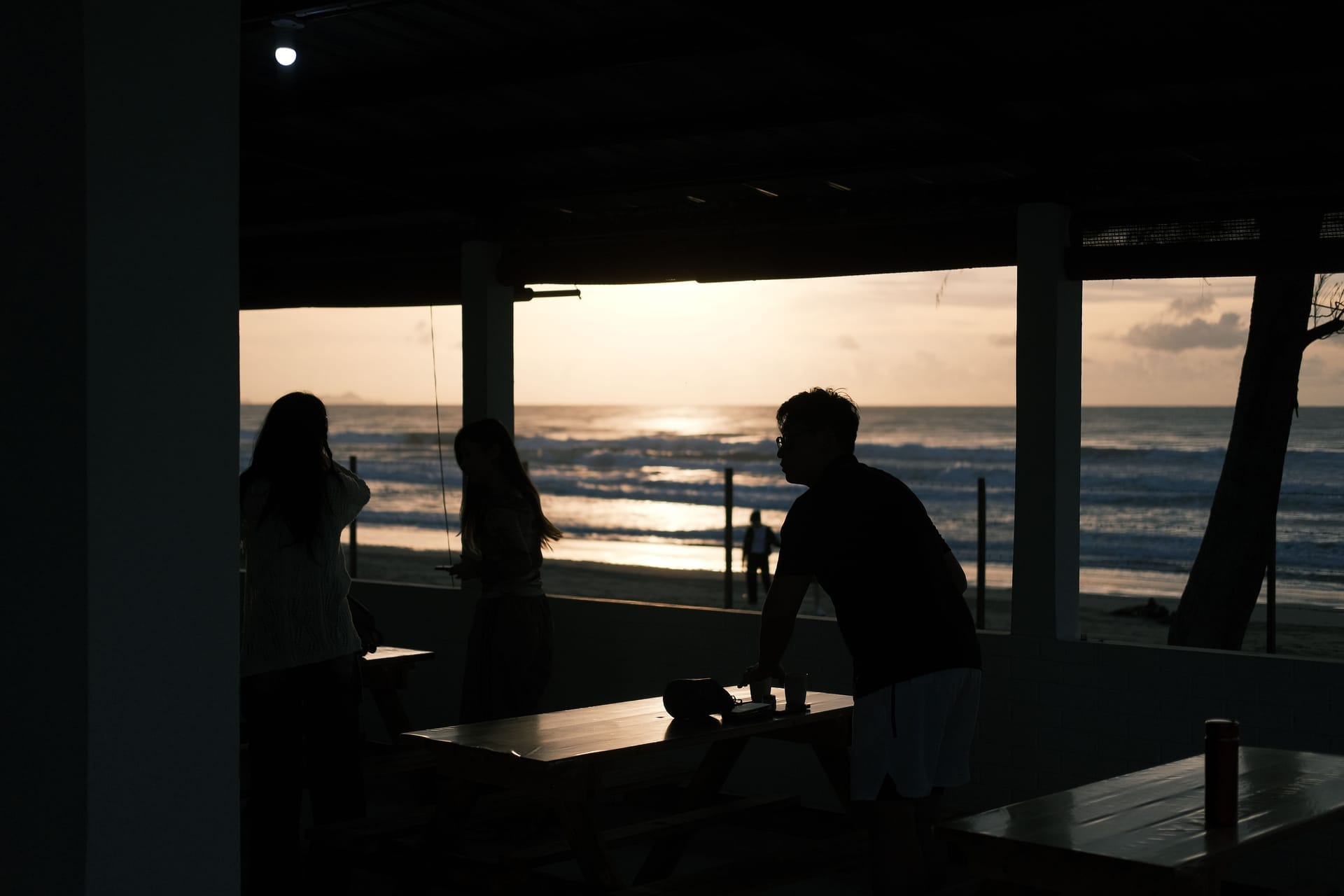
Ask around at the two or three warungs where foreigners turn up for coffee, and inside a week you will have met most of the long-term foreigners living here. That is the honest scale of the expat community in Indonesia’s far south, out on Rote. Nobody lands into a ready-made crowd. You find a thin, steady layer of people who picked a place 500 km northwest of the Australian coast, tucked southwest of Timor 1, and a much larger world of Rotenese neighbours who were here long before any of us turned up.
This piece is about those people. How many, where they come from, what they do all day, and how long they last before they leave.

How many of us are actually here
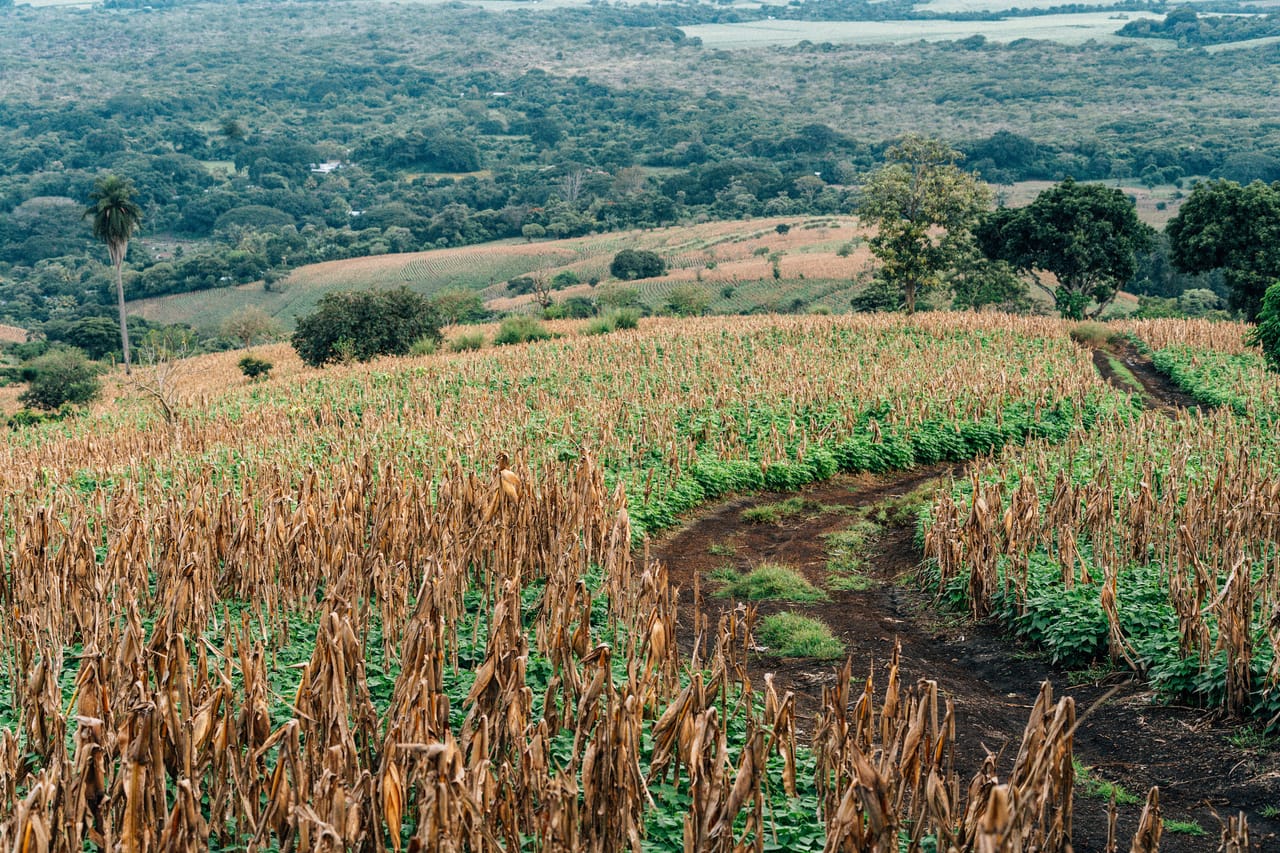
Rote is a big island with a small foreign presence. It runs to about 1,227 km² of rolling hills, terraced plantations and savanna 2, and across all of that you could count the year-round foreign faces and still have fingers to spare. A new arrival gets noticed within a day. Word that “someone rented the house past the third bridge” travels faster than any WhatsApp group.
The foreigners fall into four rough types. A handful of retirees who came, liked it, and quietly stayed. A slowly growing trickle of remote workers who wanted a low rent and deep focus, the kind of people who care most about where to actually work on Rote before they care about anything else. A few business owners tied to accommodation or small tourism. And a seasonal wave that swells the numbers for three months and then vanishes.
That is the reality behind the promise made in the pillar on living and working remotely from Rote, where the line runs that “the community opens up.” It does open up. It is also small enough that opening up means learning maybe two dozen first names, not walking into a scene. If you are the sort who needs a crowd to feel at home, the expats on Rote island will feel thin. If you like the idea that everyone you pass on the road eventually becomes someone you know, this is the right size.
Long-stay residents and retirees: who stays, and why they stayed
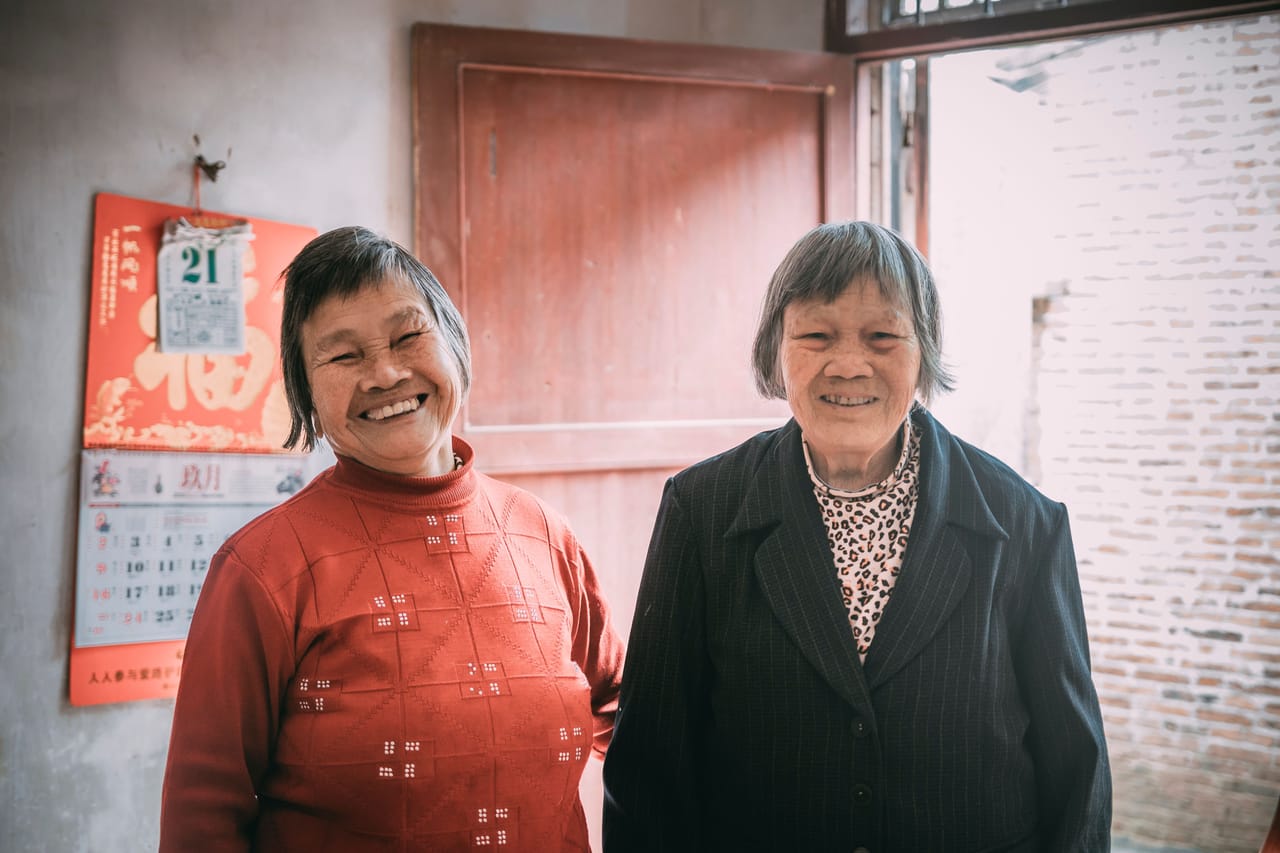
The people who stick are rarely the ones who planned to. The pattern repeats. Someone comes for a few weeks, the logistics turn out to be manageable, the rent turns out to be a fraction of what they left, and a few weeks becomes a few years.
Retirees here tend to be practical about the island’s real distance. Getting in and out is a fixed rhythm rather than a hardship. The daily ferry from Kupang, the provincial capital on West Timor, takes about two hours into Ba’a, and Wings Air runs a thirty-minute hop between Kupang’s airport and Rote most days 1. That makes Kupang the working base for anyone living out here, the place you route through for a hospital visit, a visa run, or a decent supermarket. The long-stayers plan around it without complaint.
What keeps them is the texture of daily life among the locals. Rote is a Christian island, around 80% of the population 1, and Sunday church is one of the real social engines of the place. Foreigners who last are usually the ones who ended up woven into a neighbourhood: a landlord’s extended family, a warung owner who saves them a table, the kids who wave on the school run. That is what living among locals in Indonesia actually looks like day to day, and it is a slow reward. The ones who leave early are almost always the ones who kept the island at arm’s length and treated it as scenery.
If you are shipping a life out here rather than packing a bag, the dull logistics matter, which is why the mechanics of getting a parcel to Rote come up in every long-stayer conversation eventually.
What happens to the island when the season fills up
For roughly three months, the population of foreigners multiplies. This is the surf season, and it changes who you see far more than it changes what you do. The honest picture of the waves themselves belongs to slow surfing, so treat this as the demographic version of the same story.
The visible shift is faces. The Nemberala end of the island fills first. Suddenly there are people at the warung you have never seen, a longer wait for a nasi goreng, and a steady stream of scooters running the same road down to the reef every morning. Accommodation books out weeks ahead. Fresh fish gets snapped up earlier in the day. Rents on the short-term houses climb, and a few things that were cheap in June cost noticeably more in August. The road between the village and the water carries real traffic for the only time all year.
Then November comes and the tide of people goes out. The seasonal crowd flies home, the warungs empty, and the island exhales back to its off-season self. The dozen or so who stay through the quiet months are, in practice, the actual resident community. They are the ones who watched the crowd arrive and leave and simply kept paying rent. If you want to know who is genuinely here, come in the low season and see who is still around.
Your neighbours: who decides what, and how much Bahasa you need
Your real neighbours are Rotenese, and they run on a social logic that took shape long before any foreigner arrived. The reciprocal obligations and the codes that decide whether you get accepted are the territory of Rotenese culture proper. What matters for a newcomer is narrower: who actually decides things, and how word gets around.
Decisions that touch more than one household do not happen fast, and they do not happen through the person you would expect. When something comes up that affects a stretch of the neighbourhood, the older heads of the families involved get consulted first, usually in an order everyone but you already understands. A younger relative might do the legwork, but the sign-off sits higher up. News travels the same channels, family to family, and it moves quickly once it starts. A foreigner who wants a fence moved, a road patched, or a party thrown learns to ask the right elder early instead of the most convenient neighbour.
How much Bahasa do you need for any of this? Enough to sit in the conversation, not enough to write poetry. Rote also carries a stack of its own languages, all related to those on Timor, among them Bilba, Dengka, Lole, Ringgou, Dela-Oenale, Termanu and Tii 1, and you will not learn those. Shared ground is Bahasa Indonesia, and a working command of it is the line between being talked about and being talked to. Get to conversational Bahasa and the decisions stop happening around you.
How the community actually opens up
The introductions run through people, not events. There is no welcome committee. The way in is almost always a bridge: the landlord who introduces you to his brother, the warung owner who seats you next to another regular, the mechanic everyone uses. Once one trusted local vouches for you, doors open in a chain. Skip that step and try to force your way into the social life directly, and it stays politely closed.
Time is the other half of it. The foreigners who are truly folded into the community are, without exception, the ones who stayed through a full cycle: the crowded season, the empty months, at least one round of rains. Three or four months in, you are still a visitor with a long lease. Somewhere past the first year, you become a face people expect to see. That is the pace, and there is no shortcut through it.
The regular rhythm of the island helps more than any deliberate effort. The weekly markets, the church calendar, and the small standing gatherings on the island’s events calendar are where the same faces cross paths often enough to turn into something. Show up to the ordinary stuff repeatedly and you get absorbed. Two habits speed it up in practice. Learning enough Bahasa to hold a real conversation, and sorting out a licence and a scooter to ride here so you can actually turn up to things across a spread-out island.
The community on Rote is small, quiet, and slow to form, and that is the accurate description, not a warning. For the kind of person who wants to know their neighbours by name and stay long enough to matter to them, the size is the whole point.
Sources
Footnotes
-
Rote Island — Wikipedia. en.wikipedia.org ↩ ↩2 ↩3 ↩4
-
Rote Island — dati (Wikidata). wikidata.org ↩