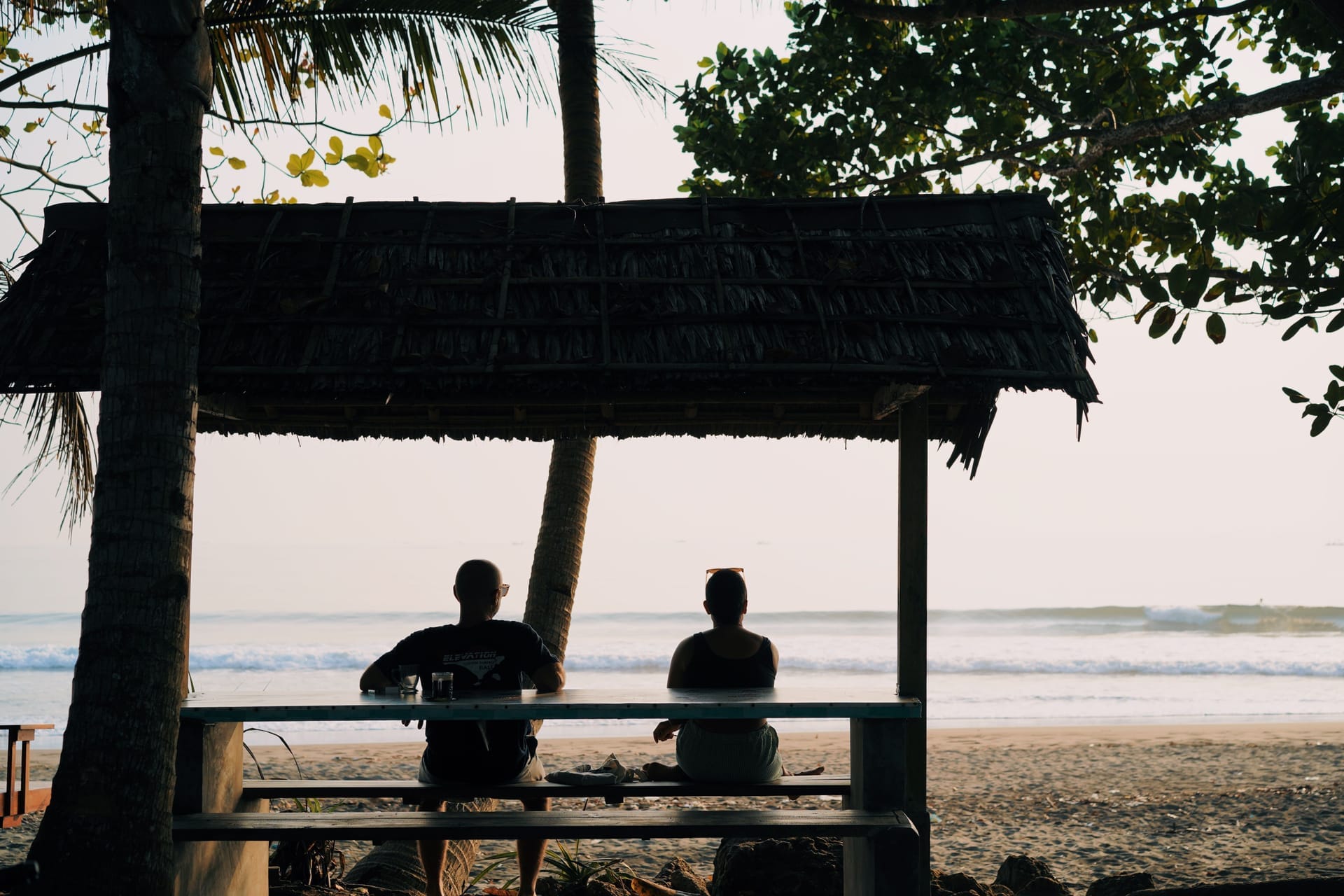
By your third visitor-visa extension in a year, you start doing a different kind of math. Not the fee on the receipt, but the afternoons lost at a photocopy shop, the ferry back to Kupang, the low hum of never quite being allowed to stay. Somewhere in there most long-stayers on Rote hit the same thought: I should probably just get a KITAS.
Then they read five guides about it, all written by companies that sell the paperwork, and come away knowing how to apply and nothing about what the thing actually does once it’s in your passport. That’s the gap this piece fills. Getting the permit is a transaction you can hand to someone. Living with it is the part nobody explains, and out here on an island with no immigration office of its own, it comes with a few wrinkles Bali expats never think about.
VITAS, ITAS, KITAS: three words for one thing that confuses everyone
Quick orientation, then we move on, because this is the one part twenty agency blogs already cover.
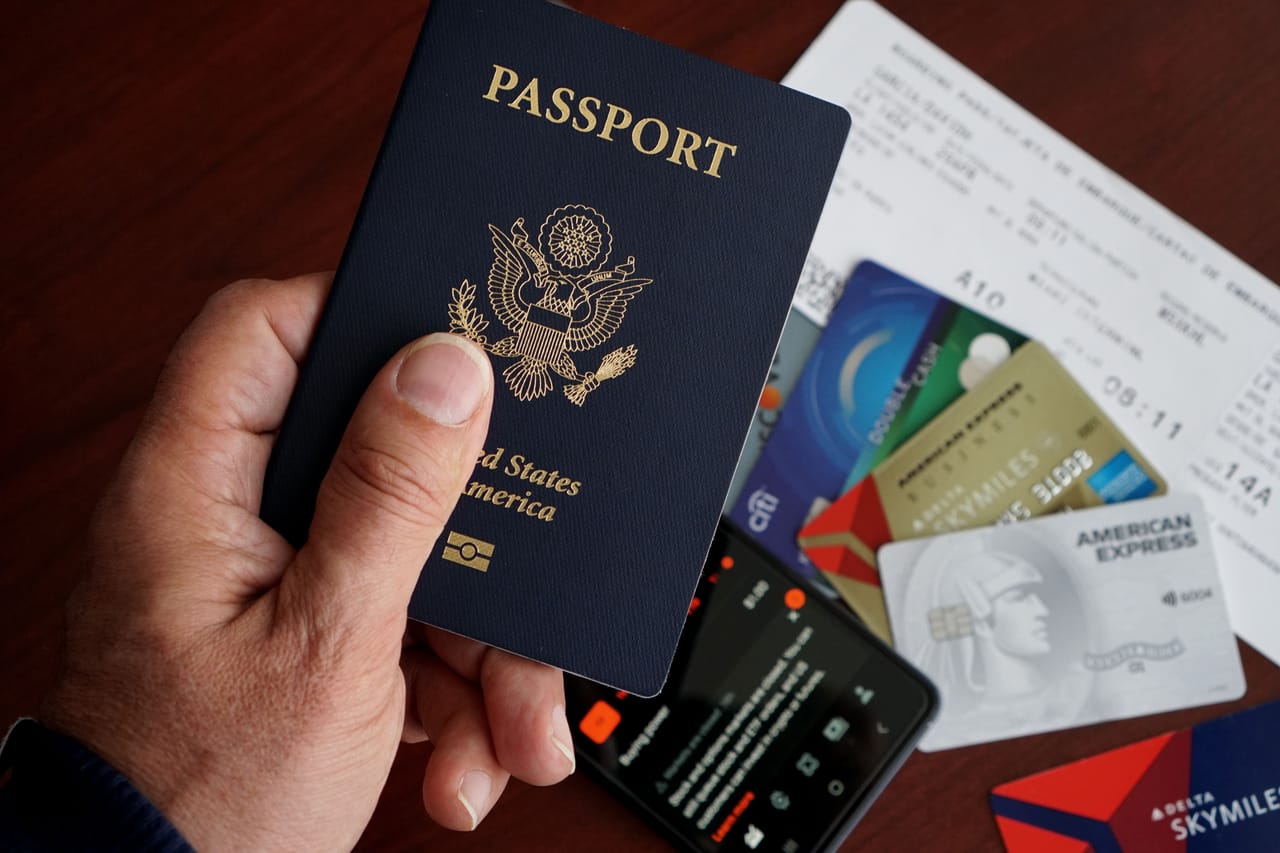
The three words describe three stages of the same permit. VITAS is the entry visa you’re granted abroad or online, the thing that lets you land with the intention of staying long term. ITAS is the limited-stay status you convert to once you’re inside the country. KITAS is the physical card that proves it. In everyday speech everyone just says “KITAS” for the whole arrangement, and that’s fine. When an agent, a landlord, or a bank clerk asks if you have a KITAS, they mean: are you here on a real stay permit, or are you a tourist who’ll be gone in sixty days.
Beyond the KITAS sits the KITAP, the permanent version you can apply for after holding an ITAS long enough on certain routes. Most people reading this are years away from that, so park it.
Which route gets you one, and which of those actually apply out here
There’s a whole menu of KITAS categories, and the honest truth is that only a few matter for the kind of person who ends up on Rote.
If you work remotely for a company outside Indonesia, the route people talk about is the E33G remote-worker permit, the closest thing the country has to a proper digital nomad visa. If you’re past 55 and living off income from abroad, there’s a retirement KITAS built for exactly that situation. If you’ve got capital to park, the second home visa trades a deposit or property for a longer permit without a local sponsor breathing down your neck. Marriage to an Indonesian opens its own family route. Work KITAS tied to a local employer exists too, though it’s the least likely fit for someone choosing Rote for the life rather than the job.
Which of these is right for you is a longer conversation about your income, age, and plans, and it’s the sort of comparison the pillar on long-stay routes walks through case by case. The point for now is simpler. Each of these puts you on the same footing once approved, and that footing is what changes your ordinary week.
What opens up the day you hold one

Here’s where the agency guides stop and hand you a three-line “benefits” box. The reality is richer, and most of it has nothing to do with immigration at all.
A bank account that’s actually yours. On a tourist visa you’re stuck with prepaid cards, cash, and friends who “hold” money for you. With a KITAS and its companion tax number, a proper local account opens up. That sounds boring until you’ve tried to pay a Rote landlord, a builder, or the electricity bill by wiring cash through someone else’s phone. A local account with mobile banking is the single change most long-stayers say they feel the most. Bills, transfers, deposits, all of it stops being a favour you owe someone.
Contracts with your name on them. Landlords here will rent to a tourist, but they’ll rent you three months at a jacked-up rate and shrug when you ask for a year. Hold a stay permit and the conversation changes. You can sign a proper multi-year lease, negotiate the annual rate that locals actually pay, and stop re-signing every season. Same with a scooter you buy, a phone contract, utilities in your own name instead of the previous tenant’s.
A SIM and utilities that don’t expire with your visa. Registering a phone number, getting home internet installed, putting the power account in your name, all of it goes smoother when you can show a stay permit and a KITAS address. On Rote, where getting a technician out to your place is already a matter of patience, not having to explain your visa status every time is worth more than it should be.
An Indonesian driving licence. Foreigners with a KITAS can convert to or apply for a local SIM (the driving one, confusingly also abbreviated), instead of riding on an international permit that a checkpoint officer may or may not accept. On an island where the scooter is how you live, that matters.
Local health cover and hired help, done properly. A stay permit lets you enrol in the national health scheme and take out local insurance that a tourist can’t touch. It also means that when you hire someone to clean, cook, or help build, you can do it on a footing that’s above-board rather than cash-in-hand-and-hope. Given that the nearest serious hospital is a ferry ride away in Kupang, having your health cover sorted before you need it is not a detail to leave for later.
None of these is dramatic on its own. Stacked together, they’re the difference between camping in a country and living in it.
The geography of your permit, and why your office is in Kupang
This is the part no KITAS guide on the internet will tell you, because they all quietly assume you live in Bali or Jakarta.
A KITAS ties you to a supervising immigration office based on your registered address. Rote Ndao is an island of roughly 1,227 square kilometres sitting at the southern edge of the country, around 10°44′ south, and it does not have its own kantor imigrasi. 1 Your office is in Kupang, on Timor, across a stretch of water you cross by ferry or a short flight.
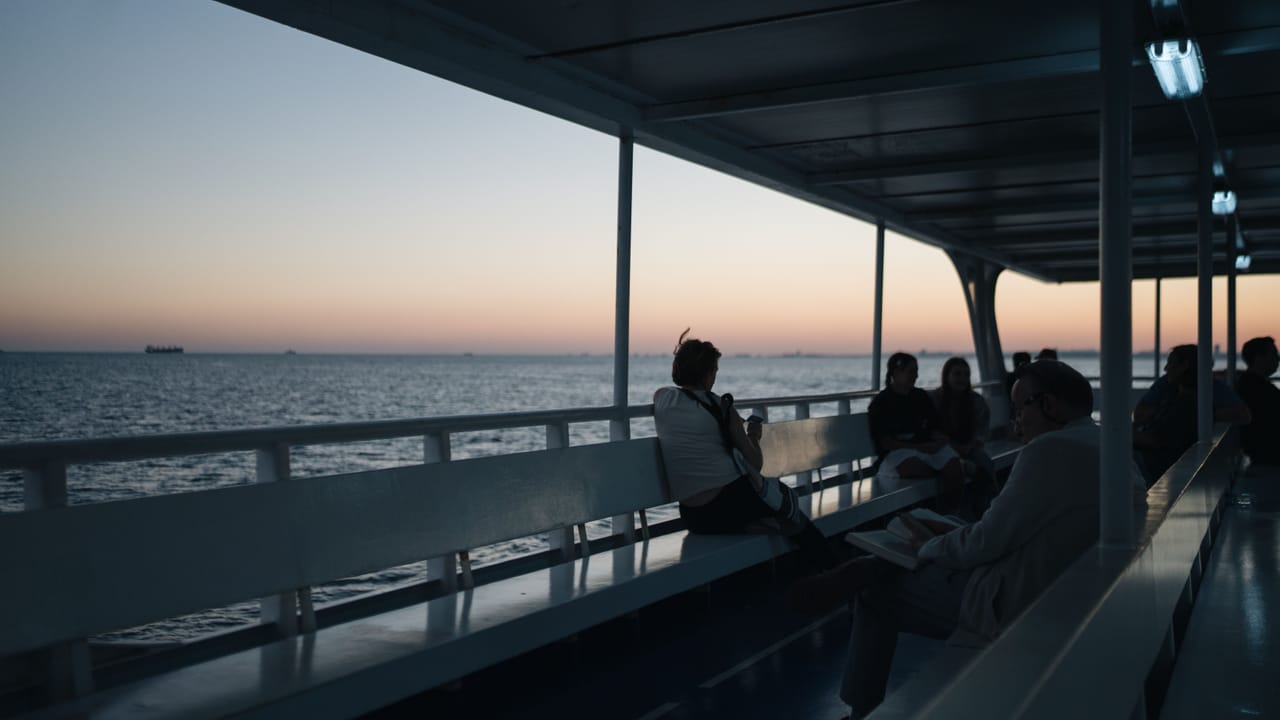
What that means in practice: any step that needs you to physically appear, drop biometrics, or sort a problem in person is a Kupang day, not a walk down the street. You plan it around the ferry timetable, you budget the better part of a day, and if the queue eats your morning you’ve missed the boat back and you’re staying the night. This is why so many people who live on Rote treat Kupang as their logistics base for anything official, and why using a good local visa agent stops being a luxury and becomes the sensible default. A visa agent who knows the Kupang office can handle much of the back-and-forth so you’re not the one making that crossing three times for one stamp.
It also shapes which route you pick. A permit that demands frequent in-person reporting is a heavier burden from Rote than from a city with immigration downstairs. The lower-touch options look a lot more attractive once the ferry is part of the equation.
Reporting, renewal, and staying inside the system without the reset
The quiet gift of a KITAS is continuity. On a visitor visa, every extension is a countdown, and eventually you have to leave the country and come back to reset the clock. A stay permit lets you renew from inside, so you can spend a full year here without the annual exit run that the long-stay comparison lays out route by route.
That said, renewal is not automatic, and this trips people up. You start the process well before the card expires, not on the last week. Some categories also carry reporting duties, a check-in with your supervising office or an online notification, that you’re expected to keep up with. Miss them and you’re the one explaining yourself in Kupang. Build the renewal date into your calendar the way you would a passport expiry, and give yourself a generous runway because the ferry, the office hours, and the paperwork all move at island speed.
The mental shift is worth naming. On a visitor visa you’re always managing an ending. On a KITAS you’re maintaining a status. It’s a calmer way to live, as long as you respect the maintenance schedule and don’t treat the permit as fire-and-forget.
When it ends, changes, or breaks
Permits don’t only expire. They change shape, and knowing the moving parts before you need them saves a lot of grief.
If your circumstances shift, the sponsor tied to your KITAS can change. Move from a work arrangement to a retirement setup, switch the company backing you, or restructure a second-home deposit, and the permit has to follow. That’s a fresh process, not an edit, so plan it with the same lead time you’d give a first application.
If you’re leaving Indonesia for good, or long enough that keeping the permit makes no sense, there’s a closing step called an EPO (Exit Permit Only) that formally shuts the KITAS as you go. Skipping it, or just letting the card lapse while you’re away, is how people create problems for their next entry. Close it cleanly on the way out and you keep the door open to come back.
And if something goes wrong, an overstay, a missed report, a lapsed renewal, the fix from Rote is a Kupang problem, which is one more reason to keep the whole thing tidy and to have someone local who can move fast on your behalf. The routes and their exit rules differ enough that it’s worth checking which one you’re actually on; the breakdown of which route applies to you is the place to pin that down before you commit.
The honest math: KITAS versus another year of extensions
Here’s the calculation the agency blogs never run, because they’d rather you just buy the KITAS.
A stay permit costs more upfront than any single visitor-visa extension. Compare it to one extension and the KITAS looks expensive. Compare it to a year of them and the picture flips. A visitor visa like the B211A gets extended a fixed number of times, then forces a border run to reset. Add up the repeated extension fees, the agent margins on each one, the flights or ferries for the reset, and the days you burn doing it, and the “cheaper” route quietly climbs toward the cost of the permit that would have let you stay put.
The part that doesn’t show up in either receipt is the friction. Every extension is a small deadline hanging over you. From Rote, each border run is a real trip, not an afternoon. The KITAS buys that back. You wire your own rent, sign your own lease, keep your own phone number, and stop planning your life around the next stamp.
So the honest answer is this. If you’re here for a season and then gone, keep extending, and don’t let anyone upsell you. If you’ve already done a year or two on Rote and you know you’re staying, the permit almost always wins once you count the time and the crossings, not only the fees. The break-even point is roughly the moment you stop asking whether you’ll be back and start asking where you’ll put the good furniture.
That’s the real thing a KITAS changes. It stops you living here on borrowed time and lets you live here on your own terms, ferry to Kupang and all.
Sources
Related guides
Footnotes
-
Rote Island — dati (Wikidata). wikidata.org ↩