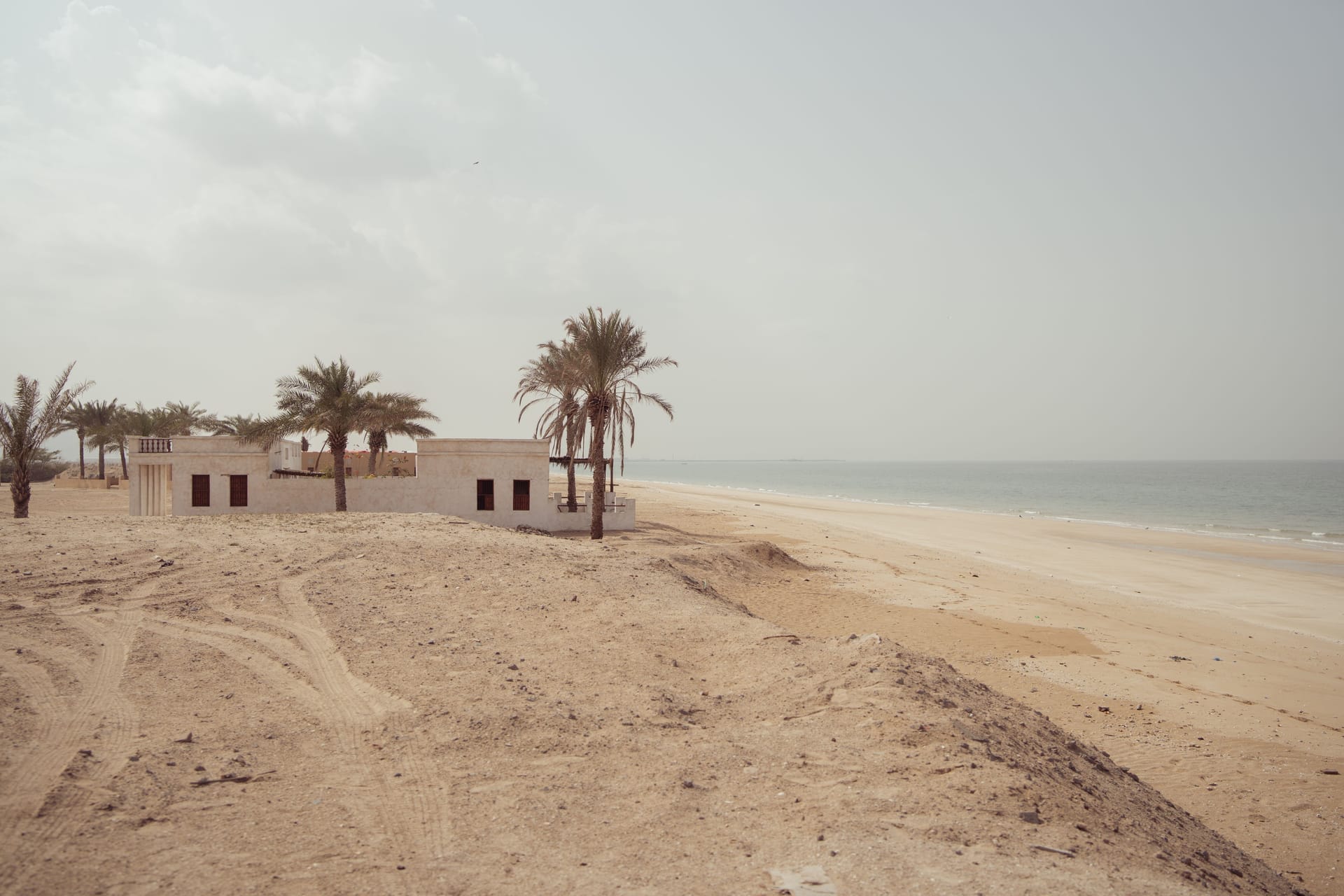
You buy the land, you build the house, and then you fly home for seven months of the year. The place you spent everything on sits shuttered above a beach on an island 500 km northwest of the Australian coast 1, while you keep paying for it from another hemisphere. The thought lands fast and it lands hard: rent it out while it’s empty, let it earn its keep. That thought is where almost every foreign owner on Rote starts. It’s also where a lot of them quietly get the numbers wrong, because the picture they’re running in their head was drawn somewhere else.
This is the owner’s side of a question the rest of the island already answered from the tenant’s side. Plenty has been written about what it costs to pay rent here. Almost nothing about what it earns you to collect it. So let’s stay on your side of the table.
The house you’re not sleeping in still costs you money
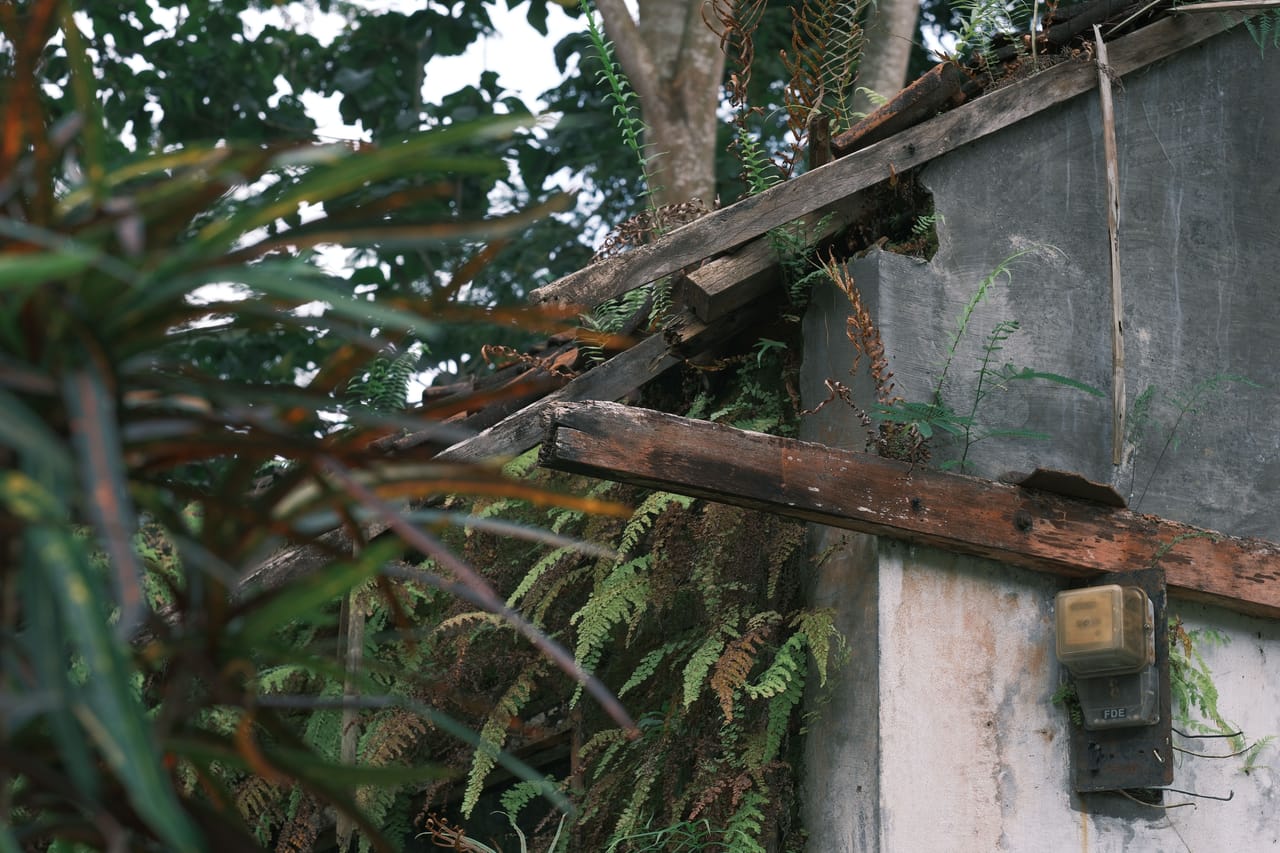
An empty house on Rote is not a house at rest. It’s a slow bill. The salt air works on the fittings, the damp works on the walls, the garden goes feral in a month of wet season, and someone local has to be paid to notice before a small problem becomes a roof. The costs of keeping a property open and breathing while you’re away are the reason the rental idea shows up in the first place. You’re already spending. You’d like the house to spend back.
That instinct is sound. The mistake is treating rental income as free money that lands automatically the moment you lock the door. It doesn’t. It’s a second, smaller business you’re now running by remote control, with all the friction that implies. The quiet cost of holding two lives open at once, one here and one back home, is a real line in the budget of anyone doing long stays on the island, and rental income offsets part of it rather than erasing it. If you want the house line in a realistic monthly cost of living to move from red to black, you have to earn it, month after month, against an occupancy calendar that fights you.
What Bali numbers do to your expectations

Most people arriving with a rental plan arrived with it from Bali. They’ve seen Canggu villas quoting nightly rates that print money, read the yield spreadsheets, and assumed Rote is the same island earlier in its story. It isn’t the same island at all.
Rote is small and hard to reach. The whole regency covers about 1,227 km² 2, and you get here by a ferry from Kupang that leaves at 8.30 in the morning and takes roughly two hours to Ba’a, or by a 30-minute Wings Air hop from Kupang’s airport 1. That ferry fare was 80,000 rupiah and had climbed to 202,000 rupiah by 2023 1. None of that stops a determined long-stayer, but every bit of it thins the flow of people who might rent your house next Tuesday. Bali yields are built on volume and instant access. Rote gives you neither. The capital side of the equation, what your land and build are actually worth and what an exit looks like, sits closer to the ground truth in the reporting on land values on Rote, and those numbers already tell you the rental story will be about patience, not turnover.
The honest framing: your house on Rote is a home that occasionally earns, closer to a modest long-let than a nightly machine. Run it on Bali expectations and every quiet month feels like failure. Run it on Rote expectations and the same month is just the season doing what the season does.
Who would actually rent it?
Long-stayers who want a base, not tourists who want a bed. Retirees scouting a slower life before they commit, remote workers who need months of quiet and a decent desk, and the patient kind of surfer who moves here to wait for the good days rather than fly in for a week. That’s your pool. It’s shallow, it’s serious, and it books by the month.
Understand who these people are and the whole rental strategy changes. They aren’t chasing nightlife. Rote is a quiet, largely Christian island, around 80% of it 1, made of rolling hills, terraced plantations and stretches of savanna and acacia palm 1. The people who rent your house have chosen that quiet on purpose. They want a working kitchen, a reliable landlord who answers messages, water that runs, and a lease measured in months. The full tenant-side view, who these renters are and how they actually shop for monthly rentals on Rote, is the other face of this exact coin, and it’s worth knowing because you’re now the one supplying what they’re looking for.
The short-trip holiday renter you were half-hoping for barely exists here in the numbers that matter. Rote does not run on weekend arrivals. Build your plan around the long-stayer and you’re building around who’s really coming.
Why nobody will publish your monthly rate
Because the market runs on cash, conversation and word of mouth, not on a public price list. Monthly rates here are quoted face to face, adjusted for the season, the length of stay and who introduced you, and almost never written down where a search engine can find them. That opacity works both ways.
The mechanics of the monthly discount, why a full month costs a fraction of what thirty separate nights would, are the same mechanics that shape stays around Nemberala, and they apply to you the second you become the one setting the number. Here’s the part that stings on your side of the table: if the going rate can’t be published for the person renting, it can’t be published for you either. You inherit the same fog. You’ll set your price by asking around, watching what fills and what sits, and adjusting by feel. That’s not a market failure you can route around with a booking platform. It’s the texture of the place, and it’s now your problem to price inside of.
Your calendar and the rental calendar rarely line up
The cruel geometry of owning here is that the months you most want to be in the house are the months everyone else wants it too. The dry, bright, workable stretch of the year is peak for you and peak for your renters at the same time. The wet, quiet months when demand thins out are exactly the months you were happy to hand the place over.
So the calendar you can actually rent tends to be the calendar you didn’t want anyway, and the calendar worth the most is the one you’re least willing to give up. Seasonality doesn’t just move the price, it moves whether anyone shows up at all, and the way the island’s year swings is the same swing that runs through any serious plan for long stays here. Anyone budgeting a life on Rote already knows that seasonality changes the monthly number in every direction, and your rental income rides that same wave from the other side.
Plan the year as a whole. Decide up front which months are yours and which are for rent, price the rentable ones honestly for their season, and stop treating a slow wet-season month as money lost. It was never money you were going to make.
Who holds the keys while you’re gone
This is where rental income actually leaks away, and where most owners underestimate the drain. A rented house on a remote island needs a real human on the ground: someone to hand over keys, meet the renter off the ferry, fix the pump when it fails at 9pm, chase the damp before it becomes rot, keep the garden from swallowing the veranda, and stand between a small maintenance job and a large one. Do that badly and your five-star house earns one-star reviews from the far side of the world.
You have two honest options. Pay someone you trust to caretake and manage bookings, or use a service that does it as its job. What a concierge on Rote actually handles is exactly this unglamorous middle layer, the empty-house problem that the search results never mention and the owners abroad discover the hard way. Structured caretaking while you’re away, from checking on the place to holding it ready for the next stay, is what a formal house-sitting arrangement is built to cover. Either way, management is a cost you subtract from gross rent before you call anything profit. Skip it and you don’t save the fee, you just pay it later in repairs and vacancy.
The tropical climate is unforgiving to an unattended building. Warm, humid air finds every gap. A house checked weekly stays a house. A house checked twice a year becomes a renovation, and there goes two seasons of rental income in a single wet-season bill.
The honest math on keeping it occupied
Put the pieces together and the picture is clear-eyed rather than discouraging. Rental income on Rote is real, it’s modest, it’s seasonal, and it’s earned through management you either do yourself or pay for. It offsets the carrying cost of a house you love on an island you chose. It does not, on the numbers this island produces, turn your build into a yield engine.
Set your expectations at the right altitude. Rote sits about 320 metres above the sea at its high ground 2, remote enough that the same distance keeping crowds away keeps rental demand thin. Price for the long-stayer, rent the season you don’t want, pay for real management, and treat every rented month as a genuine contribution to a home that mostly earns its keep by being a home. The wider picture of buying, holding and running property on the island lives in the island’s property hub, and if you’re still weighing whether to buy at all, the honest place to start is what the property finder can actually show you against the real inventory in the local directory of places to stay. Before you model any of this, the numbers that decide it, property tax in Indonesia, the leasehold and freehold question, and what you’ll spend hiring builders, all sit upstream of the rent you’ll ever collect.
Buy the house because you want to live in it. Let the rent be the bonus that makes the empty months hurt less. That’s the version of this that survives contact with a real Rote calendar, and it’s the version that keeps owners here happy years after the build.
Sources
Footnotes
-
Rote Island — dati (Wikidata). wikidata.org ↩ ↩2