Your eSIM app sold you “Indonesia coverage” before you left home. Then you land, drive down to Nemberala, and the signal that was solid on the beach evaporates the second you walk two streets back from the water. That gap between what a coverage map promises and what your phone actually does on a 1,227-square-kilometre island 1 is the whole subject here. Not speeds, not Starlink, just this: which SIM to hold, where it keeps a signal on Rote, and the two or three local rules nobody warns you about until you have already broken one.
If you want to know how fast the connection runs once you are online, that lives in the real speed tests from the places you’d actually work. This is the layer underneath: the physical SIM in the phone in your pocket.
What You Need Before You Can Buy Anything
Bring your passport. A prepaid Indonesian SIM is registered to a real identity document at the point of sale, and the shop clerk keys your passport number in before the card will activate. No passport, no activation, and no amount of charm gets around it.
Know the word pulsa. It is the credit that sits on your prepaid number, and it is not the same thing as a data package. You top up pulsa first, then you convert some of it into a data quota. People arrive assuming they bought “data” and burn through their balance at raw per-megabyte rates because they never bought a package on top. Two separate steps, always.
Understand what the little chip is actually doing so the shop conversation makes sense. A SIM securely stores your international mobile subscriber identity and the key that authenticates you on the network 2. That is why the card is tied to a person and why swapping it is a real switch of identity on the tower, not just a settings toggle. These cards ship in a mini, micro or nano cut, all with the same contact layout, the full-size original snapping down through the carrier to whatever your phone takes 2. Rote shops stock the nano size that every recent phone uses, so the physical fit is rarely the problem.
One more thing to settle before you buy. If your phone supports an eSIM, a profile that is programmed straight into the device and can be added or removed remotely without swapping anything physical 2, you can keep a home number alive on the eSIM and drop a local physical SIM in the tray at the same time. That dual arrangement is the single most useful setup for anyone here for months, and I will come back to it.
Which Network Actually Holds a Signal Here
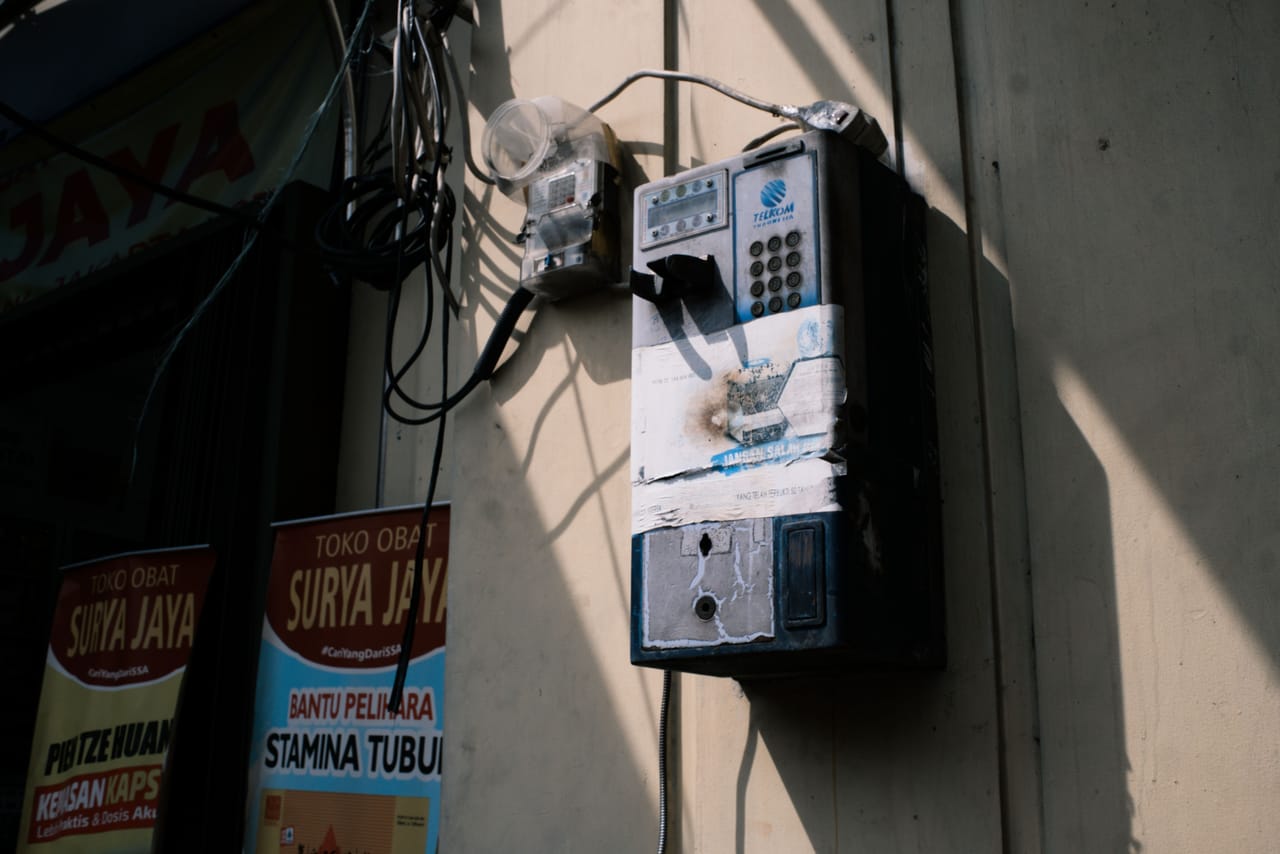
This is where the island stops behaving like the coverage map. Two networks matter in practice, Telkomsel and XL. Telkomsel reaches further into the corners of Rote, and XL is the cheaper, often faster option where it reaches at all. Both cover the places long-stayers cluster. Neither covers everything, and the difference is measured street by street, not region by region.
Here is what I have watched happen over long stretches on the island:
| Where you are | Telkomsel | XL |
|---|---|---|
| Nemberala / Bo’a beachfront | Holds | Holds, often quicker |
| One or two streets inland from Nemberala | Holds, weaker | Drops fast |
| Ba’a (the town) | Strong | Strong |
| The road between Ba’a and Nemberala | Patchy, Telkomsel more often | Frequent dead spots |
| Rote’s interior and higher ground | Telkomsel or nothing | Assume nothing |
| Northern and eastern edges toward Savu | Thin, Telkomsel your only shot | Nothing |
Rote is low and long, topping out around 320 metres 1, so the problem is rarely a hill in the way. It is tower density. Coverage tracks the settlements and the main road, and the moment you head into the interior or out toward the quieter stretches that feed the small islands around Savu, you are on Telkomsel or you are offline. If your only reason for a SIM is a backup when the Starlink or the power drops at the house, and you never leave the Nemberala strip, XL is fine and cheaper. If you actually move around the island, ride into the interior, or want one card that works in the odd corners, Telkomsel earns its slightly higher price.
Buy both if you are staying months. I do. The pair of them costs less than one bad decision on a work call from a dead spot.
Where You Buy It, and How You Keep It Alive
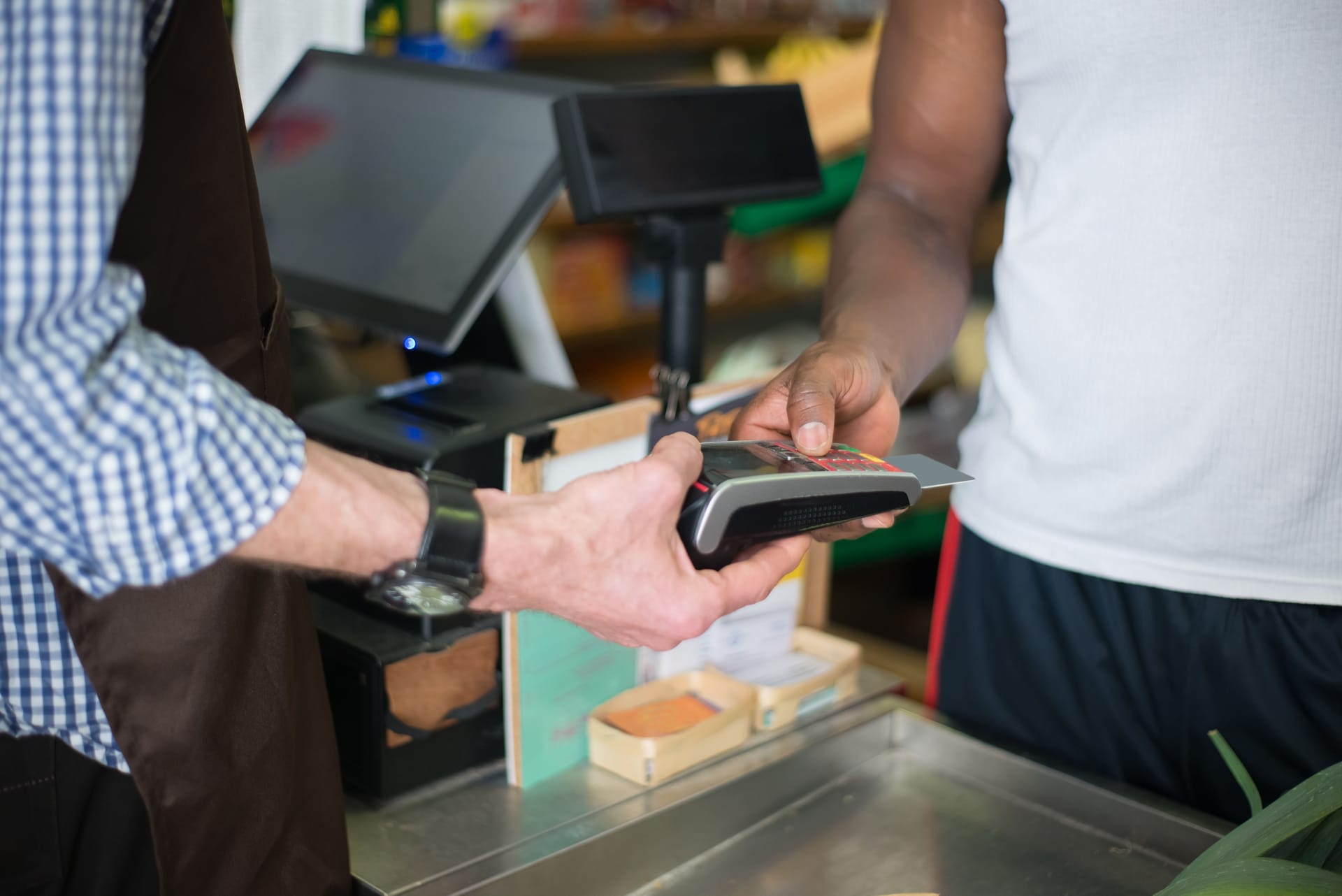
You have two realistic places to get a card. The counter at the airport when you fly in, and the phone kiosks and small shops in Ba’a, the island’s main town. The airport is convenient and the staff will register and activate it on the spot, which saves you a day of being unreachable. Ba’a gives you more choice and better prices, and the clerks there top up pulsa and sell data packages all day long.
Topping up afterward is easy once you know to ask for it. Any kiosk with a network logo taped in the window sells pulsa, and most will load a data package for you if you tell them how much data you want and for how long. Down in Nemberala the little warungs and surf shops usually handle top-ups too, so you rarely have to drive back to Ba’a just to add credit. Keep a note of your own number in your phone, because you will be asked for it every single time and a foreign number is easy to fumble.
Getting the SIM is the easy half. Keeping it valid through a long stay is where people get caught, and that is a rule of its own.
The 90-Day Line: Your Phone Has a Deadline Too
Two clocks start the day you activate, and both of them bite around the three-month mark that already shapes so much of long-stay life here.
The first clock is your SIM’s own validity. An Indonesian prepaid number expires if it sits idle or if its credit runs out and stays out. Let the balance hit zero and ignore it, and after a grace period the number goes dormant, then dead, and you lose it along with any data left on it. The fix is boring and reliable: keep a small pulsa balance topped up even in a month you barely use the card. If you fly home for the off-season and let the number lapse, you come back to a fresh SIM and a new number, so plan for that if people need to reach you on it.
The second clock is the one almost nobody sees coming, and it belongs to the phone, not the SIM. Indonesia registers the hardware identity of imported phones for customs, and a foreign handset used past roughly three months on a local network can find itself throttled or cut off from local SIMs if that identity was never registered. Your SIM stores your subscriber identity and authenticates you to the tower 2, but the phone carries a separate hardware ID that the country tracks independently, and the two are checked against different lists. If you are settling in for the long haul rather than a short visit, register the phone early through the proper channel while you sort out your longer stay, the same season you are dealing with your visas and permits. Handle it in the first weeks and it is a minor errand. Discover it in month four, when your local SIM quietly stops working on a phone that looks perfectly healthy, and it becomes a scramble from an island with no phone shop that can fix it fast.
This ninety-day layer is the part no eSIM reseller will ever tell you about, because it does not exist for the two-week tourist they are selling to. It is written entirely for the person here for a season, which is the reader I am actually talking to.
What I Actually Carry
Two cards, one phone. My home number rides on the eSIM so friends and banks can still reach me 2, and a Telkomsel physical SIM sits in the tray as the number that actually works on Rote. When I am hopping over to Kupang as a base for supplies or a flight, that same Telkomsel card holds a signal the whole way, which XL would not.
For a while I ran a second XL card too, swapping it in around Nemberala where it was faster and cheaper for heavy days. Honestly, for most people that is one card too many. Pick Telkomsel if you move around the island, add XL only if you park in Nemberala and want to shave the cost. The card in the phone is the mobile backup behind the home connection, and the whole logic of that layered setup belongs to the pillar on living and working remotely from Rote, where connectivity, the European and US workday from WITA, and everything else that makes a season here work all sit together.
Get the passport out, buy the right card in Ba’a or at the airport, keep a little pulsa on it, and register the phone in your first weeks. Do those four things and the coverage map stops mattering, because you will already know exactly where your bars live on this island.
Sources
Footnotes
-
Rote Island — dati (Wikidata). wikidata.org ↩ ↩2