Type petrol price indonesia into Google and you get 16,600 rupiah a litre, tidy and confident, refreshed every week. Stand at the one working pump in Ba’a on a Saturday afternoon with a needle on empty, and that number means nothing to you. The pump is dry until Monday. The bottle sellers along the road have petrol, at their own price, and you pay it or you push the scooter home. On an outer island the headline figure is a starting point for a negotiation you didn’t ask to have.
That gap between the quoted price and the money that actually leaves your pocket is the whole story here. If you’re planning to live on Rote, or anywhere off the main grid in eastern Indonesia, the litre price is one of the small, constant costs that shapes your week. It’s worth understanding properly, because almost every source online gets it wrong for where you’ll be standing.
The three petrol prices in Indonesia
There isn’t one price. There are at least three, and they rarely agree.
The first is the national average you see quoted online, that 16,600-ish rupiah figure. It blends every grade across the whole archipelago, weighted toward Java and Bali where the pricier Pertamax grades sell in volume. It’s real, but it describes a country, not a fuel stop.
The second is the price at the pump for the grade most people actually buy. The everyday subsidised gasoline, Pertalite, runs well under that average, usually around 10,000 rupiah a litre. That’s the number you queue for. Indonesia keeps it low on purpose. The government sets regulated retail prices below the cost of supply and compensates the state oil company Pertamina for the difference, using a formula built from international oil prices, exchange rates, shipping and distribution 1. The country pumps its own crude and is the only East Asian member of OPEC, so cheap fuel has long felt like a birthright to voters here 2. That politics matters to your wallet, because when Jakarta adjusts the formula, the pump moves fast. In June 2026 the government raised the price of a widely used fuel by 32 percent, and the cost-of-living grumbling was immediate 3.
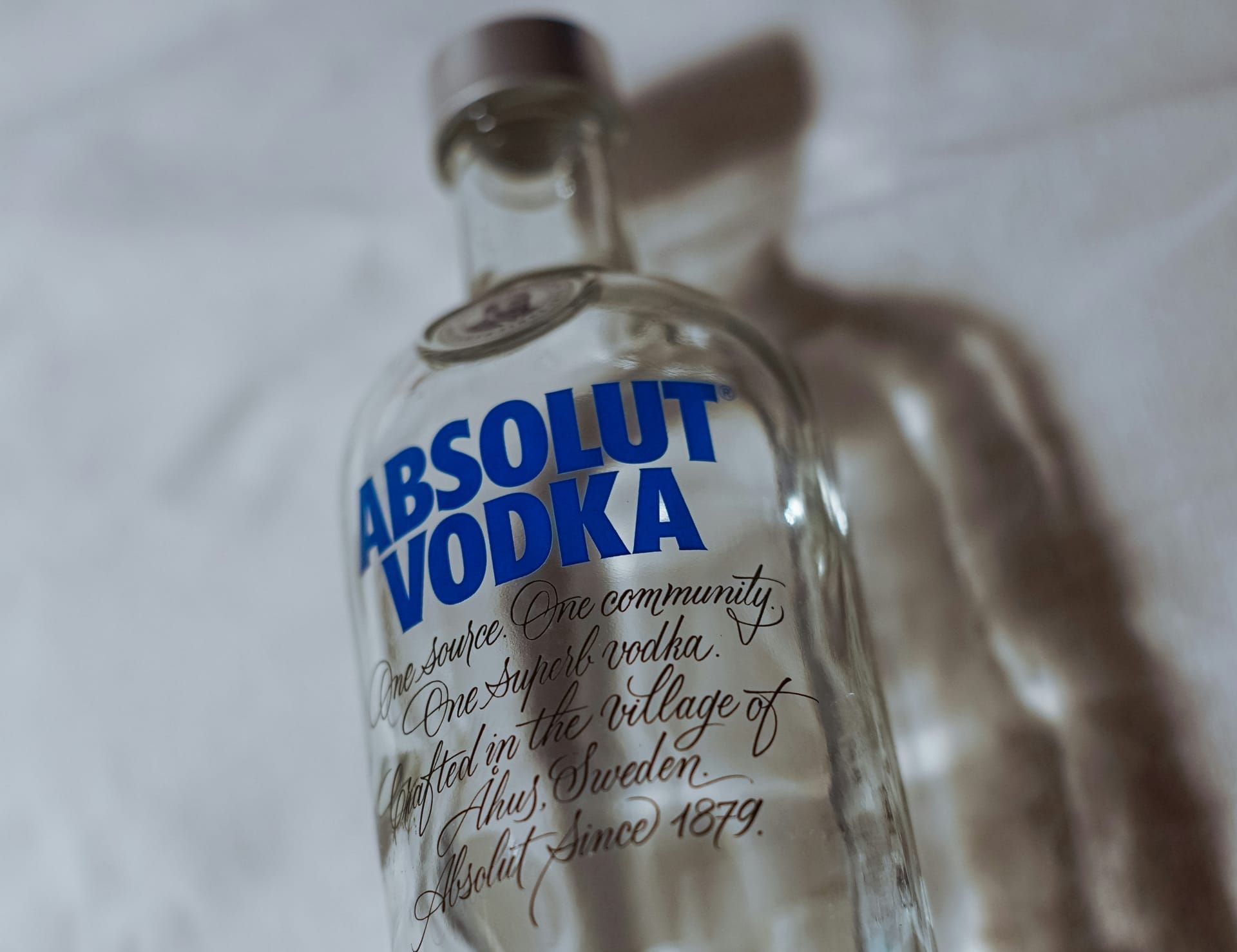
The third price is the one nobody quotes. It’s petrol poured from a one-litre Absolut bottle or a jerry can at a roadside stall, and on Rote that’s 12,000 to 15,000 rupiah a litre depending on how far you are from a station and how badly the seller thinks you need it. At roughly 16,000 rupiah to the dollar, that’s the difference between about 63 cents and closer to a dollar for the same litre. Small money per fill. It adds up over months.
The days the pump runs dry
Here’s the part the price aggregators can’t model. The stations on a small island don’t always have fuel.
Rote has a handful of real stations, and a barge brings their supply across from Kupang. When the barge is late, or a long weekend spikes demand, or a station simply sells out by mid-morning, the pump sits idle for a day or two. This is normal. Nobody panics. The bottle sellers along the road exist precisely to fill that gap, which is why they can charge a markup and why they’re worth being friendly with. Living here means the ordinary rhythm of the week quietly bends around whether the tank is full.
The practical rule I’ve learned the hard way: don’t run to empty on a Friday. Run low on a Friday and you may not move far on Saturday, because the station’s out and the bottles are marked up for the weekend crowd. The same logic goes double around holidays. Stations and LPG canisters both run dry before the big Indonesian public holidays, when half the island is travelling and supply hasn’t caught up. Top up the tank and the spare bottle before things close, and you skip a whole category of stress.
In Nemberala, where a lot of long-stayers base themselves, the fuel supply is exactly this: bottles and jerry cans out front of the small warungs along the main road, with the nearest proper station a ride away toward Ba’a. You plan around it without thinking, the way you plan around the tide.
What a litre actually costs once you’re this far out
Distribution is the reason nothing on Rote is quite as cheap as the national average implies. Every litre of petrol and drum of diesel has crossed water to get here, and that cost lands on the buyer. Diesel for the outboard on a surf boat is never cheap on a small island for the same reason, and petrol follows the same freight logic even when the subsidy holds the pump price down.
So the honest math on your fuel isn’t the pump price alone. It’s the pump price for most of the month, plus the bottle markup for the days you got caught out, plus the occasional longer ride to a station that actually has stock. Budget for the average, not the best case. If you buy 25 litres in a month and five of them come from bottles at 14,000 instead of 10,000 at the pump, that’s an extra 20,000 rupiah, barely more than a dollar. The money is trivial. The point is that the “one price” you planned around was never the price you paid, and that pattern repeats across almost everything in the island cost of living.
How much a scooter really burns in a month
This is the number people actually want, and no aggregator will give it to you.
A 110cc automatic, the standard island scooter, holds a little over four litres and sips fuel. Fill it for 40,000 to 45,000 rupiah at the pump and, at Rote’s speeds and distances, that tank lasts most of a week of ordinary running, the market, the beach, a warung dinner, a ride to sort paperwork. Live a normal long-stay life without daily long-haul rides and you’ll burn somewhere around 20 to 25 litres a month. Call it 250,000 rupiah, roughly 15 dollars, if the pump behaves. Push it to 300,000 in a month where you rode more or leaned on bottles.
That’s it. Fuel is one of the smallest lines in your monthly budget here, well below rent, food, or a single flight to Kupang. It sits far under what the same mobility costs anywhere with cars and traffic. Worth keeping in proportion when you read scare stories about Indonesian fuel prices rising: a 32 percent hike on a 15-dollar monthly habit is a rounding error in a real budget, even though it’s front-page news nationally.
Two caveats keep it honest. If you rent a car or a bigger bike, the numbers climb fast and the bottle option mostly disappears, since roadside sellers stock petrol for scooters, not diesel for a 4x4. And if you’re the kind of rider who circles the island chasing the good days, your fuel line looks nothing like a retiree’s who rides to the market and back.
Why the price is what it is
Understanding the subsidy explains both the low pump price and the wobble.
Fuel subsidies have been central to Indonesian budget politics since the government started subsidising petroleum products in the late 1970s 1. They’re expensive and they mostly benefit people who aren’t poor, which is why reformers keep trying to shrink them. When global commodity prices spiked in 2022, the combined fuel and electricity subsidy bill jumped from 1.7 percent of GDP in 2021 to 2.8 percent in 2022, a heavy load on public finances, and Jakarta responded with the September 2022 price hikes 4. The bigger reform milestones came in 2005 and late 2014, each pairing a price rise with cash assistance to soften the blow for poorer households. The long-run direction is a shift from subsidising the fuel to subsidising people directly, since the same money spent on cash transfers lifts more than five times as many people out of poverty as holding the pump price down 4.
The fuel itself is also changing under your tank. Indonesia’s gasoline market runs to about 37 billion litres a year, and the government is folding ethanol into it, an E5 blend rolling across Java through 2026 and 2027, with a nationwide E10 target by 2028 5. Diesel is already heavily blended with palm-based biodiesel, lifted from B40 to B50 in July 2026 5. None of this changes what you pay at a roadside stall on Rote tomorrow. It’s the slow backdrop to why the national price moves the way it does.
How to never get stuck
The whole thing comes down to a few habits.
Keep the tank above a quarter and keep a full spare bottle on the porch. Fill up early in the week, not late, and always before a holiday weekend. Know your stations. Rote has a reliable one at Busalangga and a couple of fallbacks between Nemberala and Ba’a, and it’s worth mapping the island’s fuel stops once so you’re never guessing on an empty tank. Learn which roadside sellers keep fresh petrol rather than watered stock, because that varies, and a bad bottle will foul a small engine.
And treat the pump price the way you should treat every quoted number as a foreigner here. It’s the floor, not the figure. The same gap shows up in the two-tier pricing you’ll meet as an outsider, in the real cost of groceries once you leave Java, and in the ATM fees that quietly shave every withdrawal. Fuel is just the cheapest, most frequent lesson in it. Plan for the price you actually pay, and Rote stops surprising you.
Sources
Footnotes
-
Indonesia’s Fuel Subsidies Reforms. documents1.worldbank.org ↩ ↩2
-
Publication: Fuel Pricing and Subsidies in Indonesia. openknowledge.worldbank.org ↩
-
Indonesia raises price of widely used fuel by 32%, adds to … reuters.com ↩
-
Indonesia’s Fuel Subsidies Reforms - Documents & Reports. documents1.worldbank.org ↩ ↩2
-
[PDF] Report Name: Biofuels Annual - USDA Foreign Agricultural Service. apps.fas.usda.gov ↩ ↩2