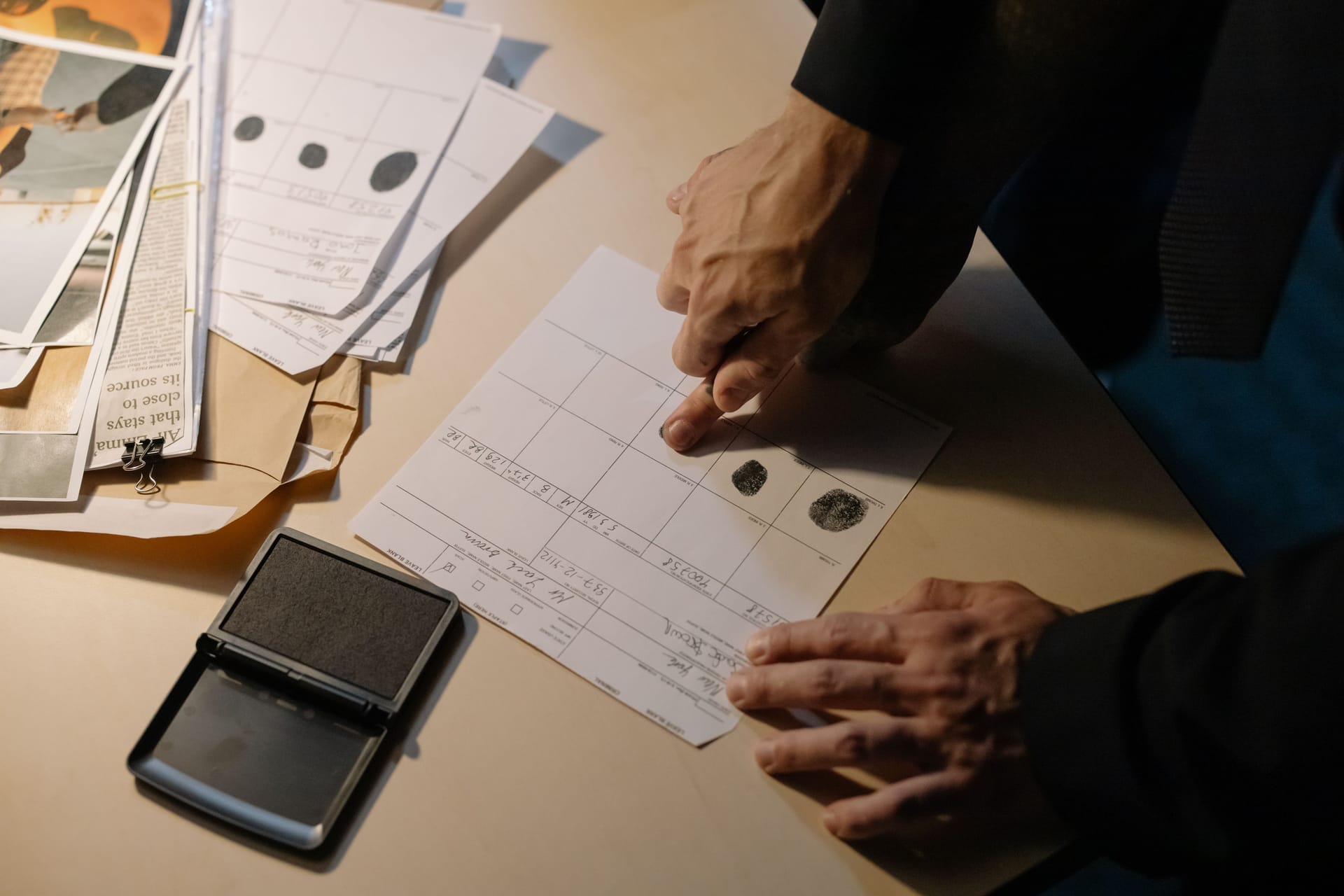
You land expecting the hard part to be the visa. Then you try to open a bank account, and a clerk explains you can’t, not here, not yet, not without a document you don’t have. You try to pay for the house you just agreed on, and the landlord wants cash you can’t withdraw fast enough. The first month on Rote is not built around the big decisions. It’s built around a chain of small errands that only unlock in a fixed order, and the order is what nobody hands you on the way in.
Rote sits in East Nusa Tenggara, off the southwestern tip of Timor, with Kupang as the nearest provincial capital across the water. 1 That geography decides almost everything about how your admin life works. A lot of what you assume is a ten-minute job at home turns into a half-day trip on a boat. Knowing which errands those are, before you’re standing in the wrong queue, is most of the battle.
Half of This List Can’t Be Done on the Island at All
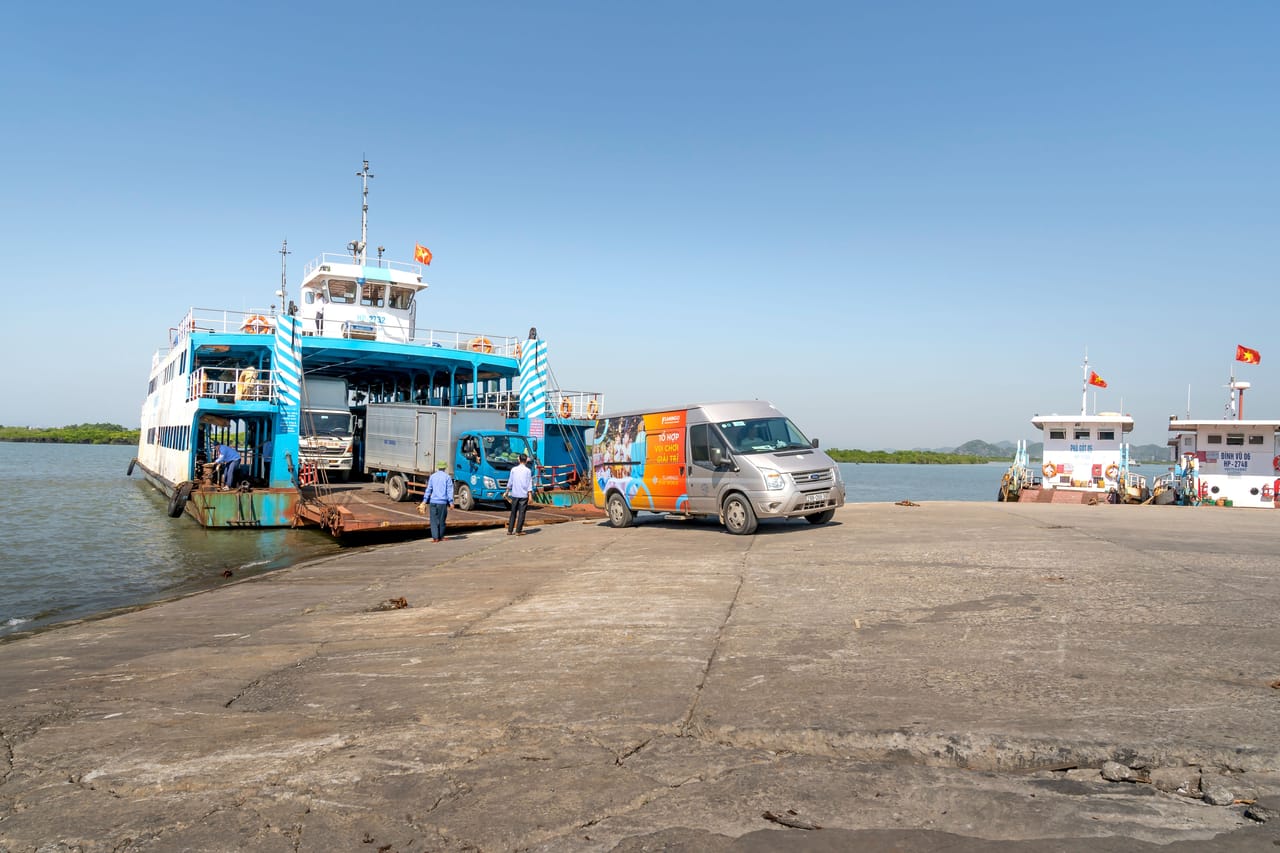
Here is the part that reorders your whole plan. Several of the errands you’d file under “sort it when I arrive on Rote” may not be completable on Rote itself, and end up pointing you towards Kupang instead. Crossing the water is done by ferry between Kupang and Ba’a, or by air between Rote’s airport and Kupang.
A boat crossing sounds trivial until you realise it turns a single form into a full day, and that counters keep their own limited hours. So the honest way to plan your first month is to sort your errands into three buckets. What closes in Nemberala or wherever you’re based. What needs a run up to Ba’a. What needs Kupang, and therefore a night away or a very early start. Getting this wrong is how people lose a week discovering, one wasted trip at a time, that the thing they drove across the island for was never on the island. The rhythm of an ordinary week on Rote is shaped by exactly these interruptions, and your admin month is the concentrated version of it.
What Your Visa Decides About Your Money

Your visa status shapes what you can practically do with money here far more than your bank balance does. Without a longer-term permit you may find yourself leaning on prepaid cards, cash, and the awkward workaround of a trusted friend “holding” money for you. Until your paperwork is settled, plan around cash.
This is the kind of thing that reorders the whole first month. If you’re asking how to open a bank account without a KITAS, the practical starting point is to check the current requirements with the bank itself, and to assume you may be building a cash-first life in the meantime. The permit and its companion tax number, the KITAS route, are what people describe as the shift from prepaid-card improvisation to a fuller account with transfers and mobile banking. If you’re spending part of the year here without a residence permit, you accept the cash regime and you plan your withdrawals like logistics, not errands.
The tax number itself matters more than people expect. An NPWP is the Indonesian tax identification, and it’s worth confirming with the relevant office how and when it applies to you. If you intend to receive money regularly, work with local clients, or eventually hire anyone, the NPWP is the piece that makes the rest legible to a bank.
The Order These Errands Unlock In
Think of the first month as a chain where each link needs the one before it. Skip a step and you stand in a queue only to be sent home.
It runs roughly like this. First, a local phone number, because without one you have no OTP codes, which means no mobile banking and no online anything later. The SIM and coverage setup on Rote is genuinely the first errand, not the fun one. Second, your stay permit and NPWP, handled through the relevant immigration office. Third, and only now, the bank account, since the bank will want your paperwork in front of it. Fourth, everything that needs a working account behind it, standing rent transfers, utilities, receiving payments, hiring help.
Notice what’s forced by that sequence. The bank account, the thing most newcomers try first, is actually third or fourth in line. Trying to jump the queue is the most common wasted trip of month one. The long-stay routes compared explain where immigration fits into the picture, and once you’ve internalised where your paperwork actually gets processed, the rest of the order makes sense.
There’s a real behavioural reason this order trips people up. The friction of stacked paperwork, forms that each need a prior form, is exactly the kind of administrative burden that drives people to give up on things they’re actually entitled to, a pattern documented across benefit and disbursement programs where enrollment steps quietly filter out eligible people. 2 You’re not entitled to a bank account, but the psychology is identical. Each small barrier, each “come back with document X,” raises the odds you’ll postpone, improvise, and end up living on cash longer than you meant to. Knowing the sequence in advance is the cheapest way to beat that friction.
Cash Is the Island’s Operating System
Once you’re actually on Rote, cash stops being a backup and becomes the default. Don’t count on an ATM being stocked when you need it, and the fix is boring and non-negotiable. You top up rupiah before you cross, and you keep a fixed reserve at home that you refill on a schedule rather than in a panic. The cost-of-living reality on Rote goes deeper on how much to keep on hand, and the honest answer is more than feels comfortable the first week.
Changing money is its own small errand. If you’re wondering where to change money in Indonesia before heading to the island, it’s worth handling the bulk of it before you cross, and treating the island as a place to spend rupiah, not source it. Bringing a modest USD stash as a genuine backup, sealed and separate, is a sensible precaution rather than paranoia.
Sending money to Indonesia from abroad is the other half of this. If your income arrives from overseas, the transfer mechanics, fees, timing, which service actually reaches a rural account, deserve testing while you still have a home-country account to fall back on. Send a small amount first and watch how many days it takes to land and what it costs to arrive. Do that test before you need the money, not the week rent is due.
The Clinic Question, Kept Honest
Health admin belongs in your first month too, and here it pays to be realistic about what a small island can offer. Anything serious is likely to mean a trip across the water to Kupang. What Rote actually treats, where the pharmacy stockouts bite, and how the evacuation chain really works are laid out in healthcare on Rote, and the practical takeaway for month one is simple. Carry your regular medication in quantity, don’t assume a pharmacy will have your exact prescription in stock, and register for care while you’re healthy rather than in a crisis.
What You Can Close Before You Fly
The kindest thing you can do for your first month is to shrink it before you arrive. Several links in the chain can be started from home, and every one you close early is a Kupang trip you don’t take later.
Line up your permit paperwork before you land, so immigration is a submission and not a scramble. Test at least one international transfer route into an Indonesian account you can access, even a basic one, so you know the timing and cost of sending money in before you rely on it. Photograph and cloud-store every document you own, passport, permit paperwork, tax details, because counters here ask for copies and printing is another errand. Bring a USD reserve. And accept, going in, that the bank account waits behind the permit, so you build a cash plan for the gap rather than resenting it.
None of this is glamorous, and that’s the point. The people who settle fastest are the ones who treated month one as a logistics problem with a fixed sequence, not a series of surprises. The errands that fill your first weeks are all doable. They just need doing in the right order, in the right town, with the right document already in your hand. Some of them, the ones that need your face at a counter, only you can do, which is where a local fixer earns their keep, as the honest account of what a concierge on Rote actually does makes clear. The rest is just knowing the map before you start walking it.
Sources
Footnotes
-
Rote Island — Wikipedia. en.wikipedia.org ↩
-
Cash Transfers for Inclusive Societies: A Behavioral Lens. books.google.co.id ↩