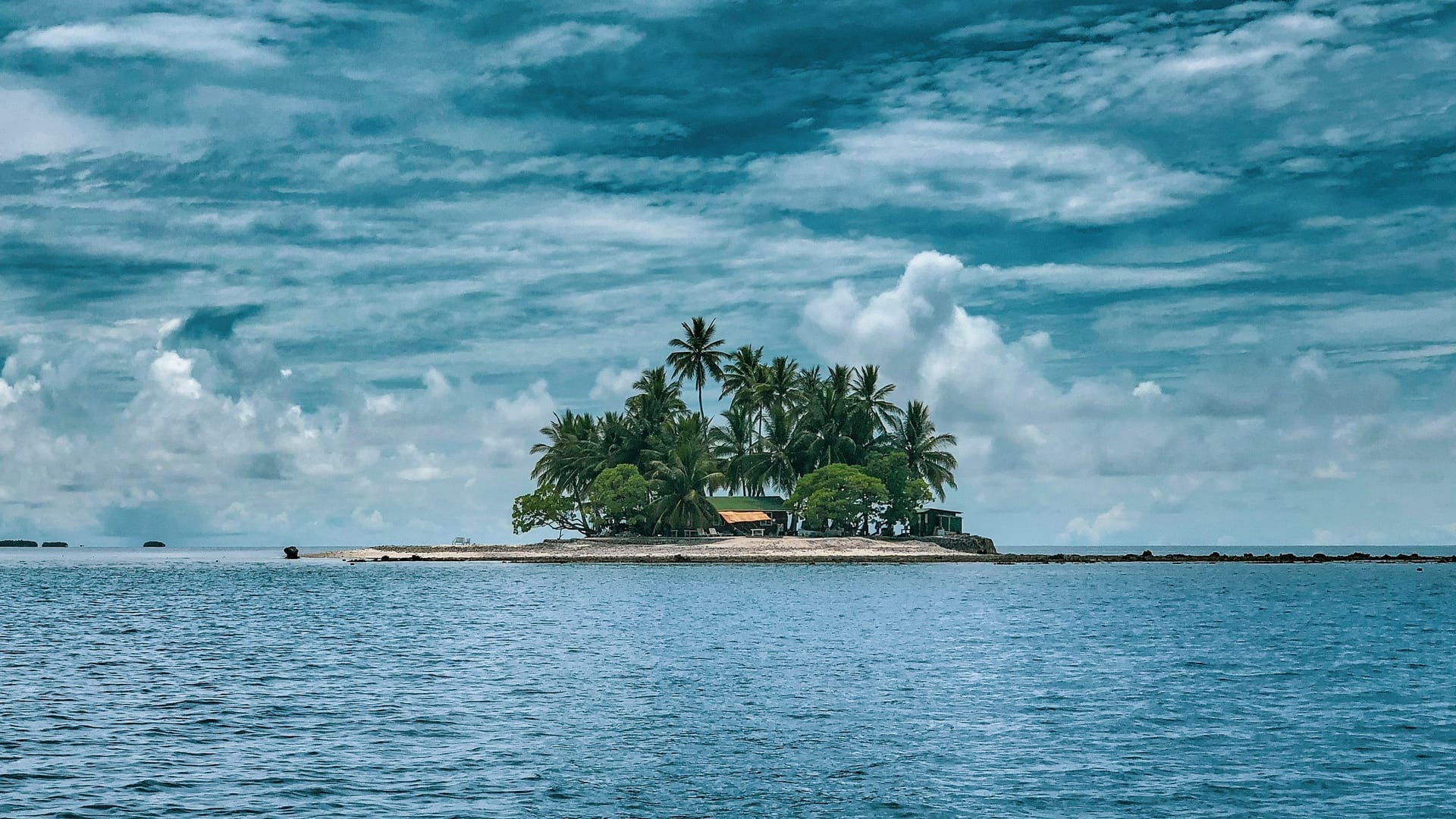
Sabu Raijua sits on the horizon west of Rote, close enough to point at from a beach and far enough that almost no one you meet has actually been. Two small, dry islands in the open Sawu Sea, no tourism industry to speak of, no booking portal that ends with a boarding pass. On a map it looks like a two-day detour. In practice it is the kind of place that only opens up when you already have months on your hands, which is exactly why it belongs on the list of the islands around Rote that reward a long stay rather than a quick hop.
This is a companion read for someone weighing whether a trip out here fits a season on Rote, not a first-timer’s bucket list. So here is the honest version: what the regency actually is, what the smaller island of Raijua involves, what you’ll see, and why the place stays so empty.
Two islands, one regency
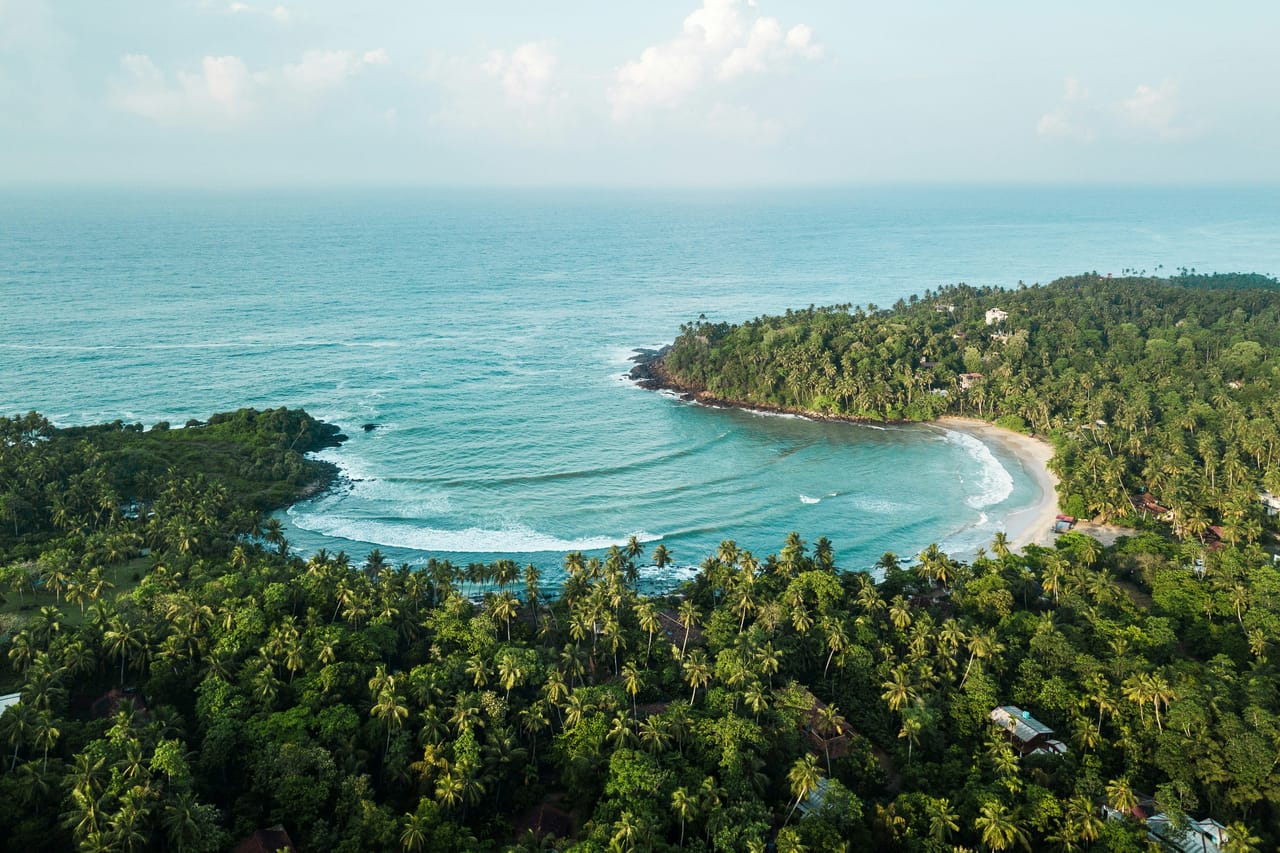
Sabu Raijua is a regency of East Nusa Tenggara made up of two inhabited islands, Sabu (also written Savu) and the smaller Raijua, plus the uninhabited Rai Dana, all set in the Sawu Sea. It was partitioned from Kupang Regency in 2008, and the seat of government sits in the West Sabu district on the larger island.12
A few numbers to fix the scale of the place:
- Established in 2008, when it was split off from Kupang Regency.1
- Land area of roughly 460 km² across the two main islands and Rai Dana.1
- Six districts, one of which is Raijua itself.3
- Population of 89,327 at the 2020 census, up from 72,960 in 2010.1
- The youngest regency in East Nusa Tenggara.2
The spelling is its own small hurdle. Sabu, Savu, Sawu and Hawu all point at the same place, and residents call the island Rai Hawu, the land of Hawu, after an ancestor named Hawu Ga said to have reached it first.2 Raijua adds a second layer of confusion, because it names both the western island and the district that also takes in Rai Dana. If you have already read up on Savu itself, treat this Sabu Raijua regency as the administrative shell that holds Savu, Raijua and the empty islet together under one office.
A dry-island economy built on lontar and patience
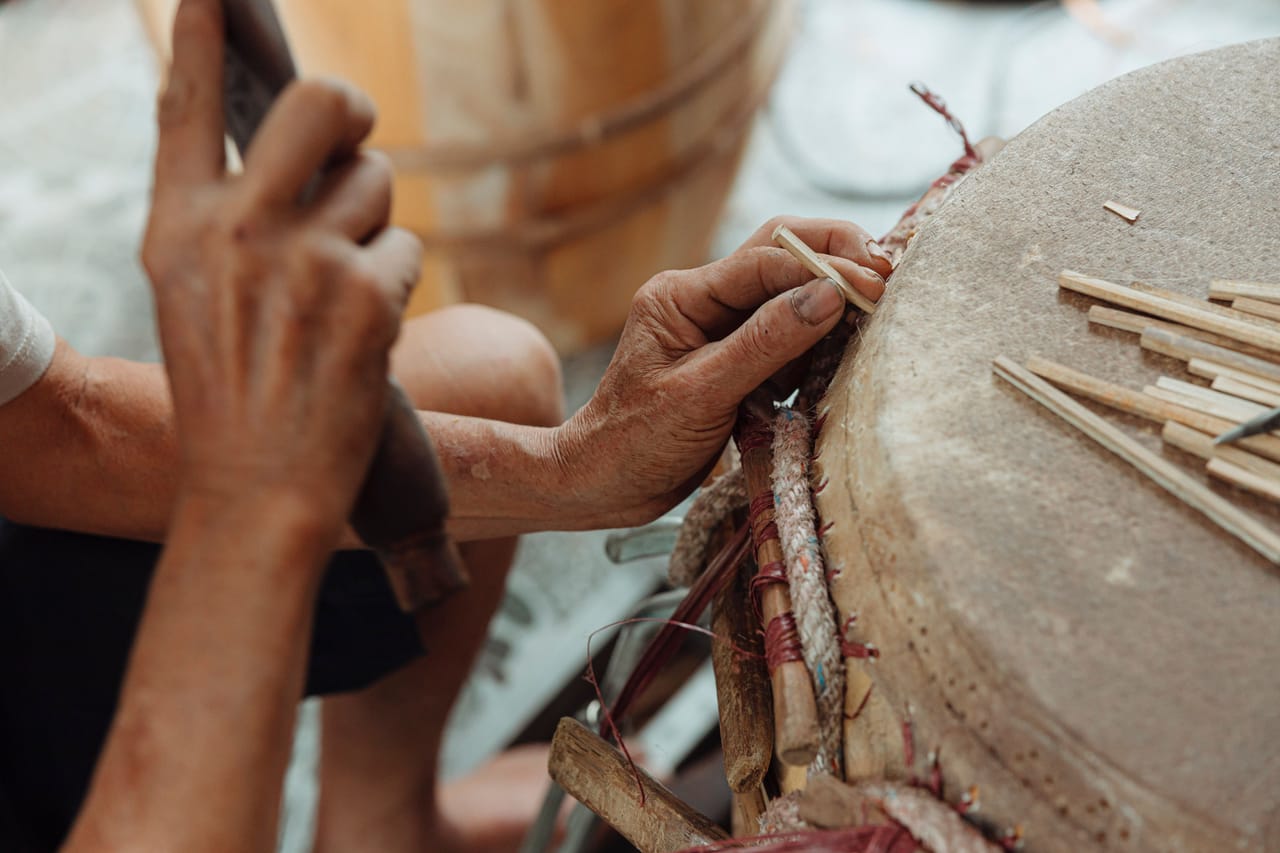
The lontar palm still runs underneath daily life here, tapped for sap the way it has been for generations, a story the Savu long-stay notes cover in full. One cultural figure from the islands, Elu Huma Lodo, describes drinking lontar water as drinking the blood of the earth, the water of life for the Sabu people.2 That single line tells you how central the palm is when the land itself gives so little.
Because it gives very little. Field farming on Sabu happens once a year, in the rains, and not again.32 In 2020 the regency logged around 1,703 mm of rain spread over as many as 130 days, with the sun out roughly 87 percent of the time and humidity near 75 percent.3 The rain arrives in a concentrated window and then the dry months take over. Agriculture still made up about 35 percent of the local economy in that same year, with public administration and construction filling much of the rest.3 Livestock and small plots carry households through, and woven cloth moves through exchanges and ceremonies as a form of value rather than decoration.
How thin the margin can get is not hypothetical. Across 1964 and 1965 Sabu Raijua went through an unusually long dry season and an environmental crisis that left food supplies in real trouble.4 Live here long enough and you understand why the rhythm of the place is tied to water, not to a harvest calendar.
Raijua, the smaller half
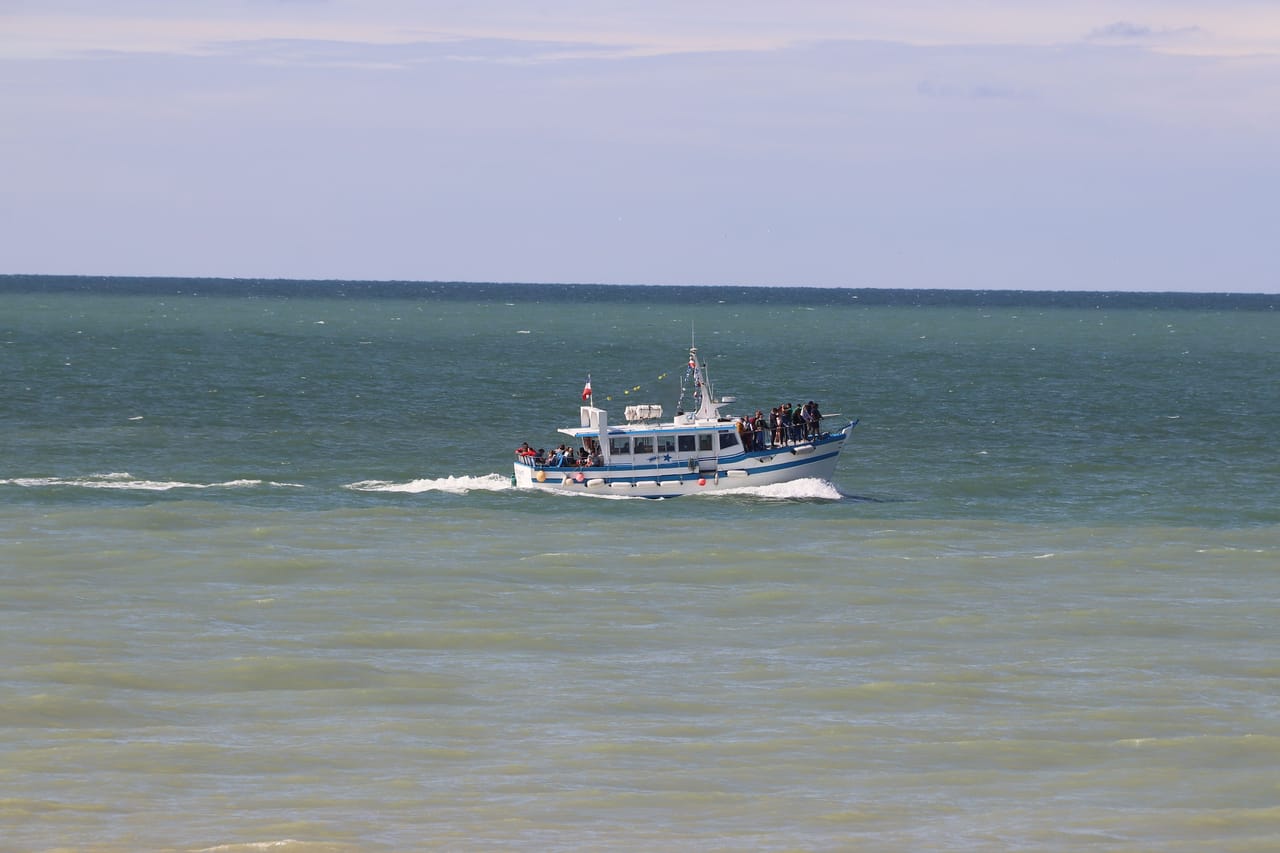
Raijua is the western island, the small district of roughly 38 km² that most write-ups skip entirely.3 Reaching it means a local boat across the strait from the larger island, and the sea decides the day more than any schedule does. In the dry months the crossing is ordinary. When the wet season churns up the water between the two islands, boats wait, sometimes for days, and there is no ferry desk to argue with about it.
That is the whole logic for a long-stayer. You go to Raijua in the calmer, drier stretch of the year, and you carry buffer days so a rough sea costs you a morning rather than a flight home. Getting onto Sabu in the first place is the earlier leg of the same trip, the practical side of getting to Savu from the Kupang side. Once you are on Sabu, Raijua is the short, weather-dependent second step, and it is best treated as its own small expedition rather than an afternoon errand.
What there’s actually to do
Honest answer first: there is no ticketed circuit of things to do in Sabu Raijua, and that is the appeal for the right traveller. The days fill with the ordinary life of a dry island. Watching lontar tapping. Sitting in villages where cloth is still worked under the houses. Walking a coastline of low limestone and savanna with the wind coming off the Sawu Sea almost constantly.3
If you have spent time on Rote’s own quiet edges, or made the run down to Ndana at the southern tip of the country, you already know the register. This is slow travel with very little scaffolding. The reward is texture, not attractions: the taste of fresh lontar sap, a conversation with someone who has never once thought of the island as a destination, the particular emptiness of a place that the wider world simply hasn’t gotten around to.
Go expecting a photo checklist and you’ll be disappointed by lunchtime. Go with weeks to spare and a tolerance for improvisation, and the flatness starts to read as space instead of absence.
Why does almost nobody come?
Because the access is stacked and the reward is quiet. Getting here is a two-stage affair from Kupang, out to Sabu and then across to Raijua, with a weather-closed strait in the middle and no tourism infrastructure waiting at the other end. There are no resorts, no tour operators competing for your booking, and the wet-season sea can shut the second crossing without notice. Every one of those frictions filters out the casual visitor before they ever leave the mainland.
It helps to zoom out. Indonesia is spread across some 13,500 islands with more than 300 ethnic groups, and even now around 80 million people in the country live without electricity.5 Sabu Raijua is one of the far, dry, thinly connected corners of that archipelago, a young regency of fewer than 90,000 people that was only carved out of Kupang in 2008.1 Places like this do not stay off the map by accident. They stay off it because reaching them costs time that most travellers don’t have.
Which is the entire point for anyone settling into a long season on Rote. The friction that keeps the crowds away is the same friction you can absorb when you’re measuring your stay in months rather than days. Pick the dry window, keep spare days in hand, and treat the whole thing as a slow crossing to a neighbour worth knowing rather than a box to tick. The islands that are hard to get to tend to be the ones still worth the effort.
Sources
Footnotes
-
Sabu Raijua Regency — Wikipedia. en.wikipedia.org ↩ ↩2 ↩3 ↩4 ↩5
-
GULA SABU: KULINER SABU RAIJUA, NTT SEBAGAI IDENTITAS BUDAYA. journalversa.com ↩ ↩2 ↩3 ↩4 ↩5
-
Pro˜ nvesta abupat b aiju - saburaijuakab.go.id. saburaijuakab.go.id ↩ ↩2 ↩3 ↩4 ↩5 ↩6
-
Forbidden Memories. library.oapen.org ↩
-
IndonesiaEtc Final LR PDF | PDF | Java | Indonesia. scribd.com ↩