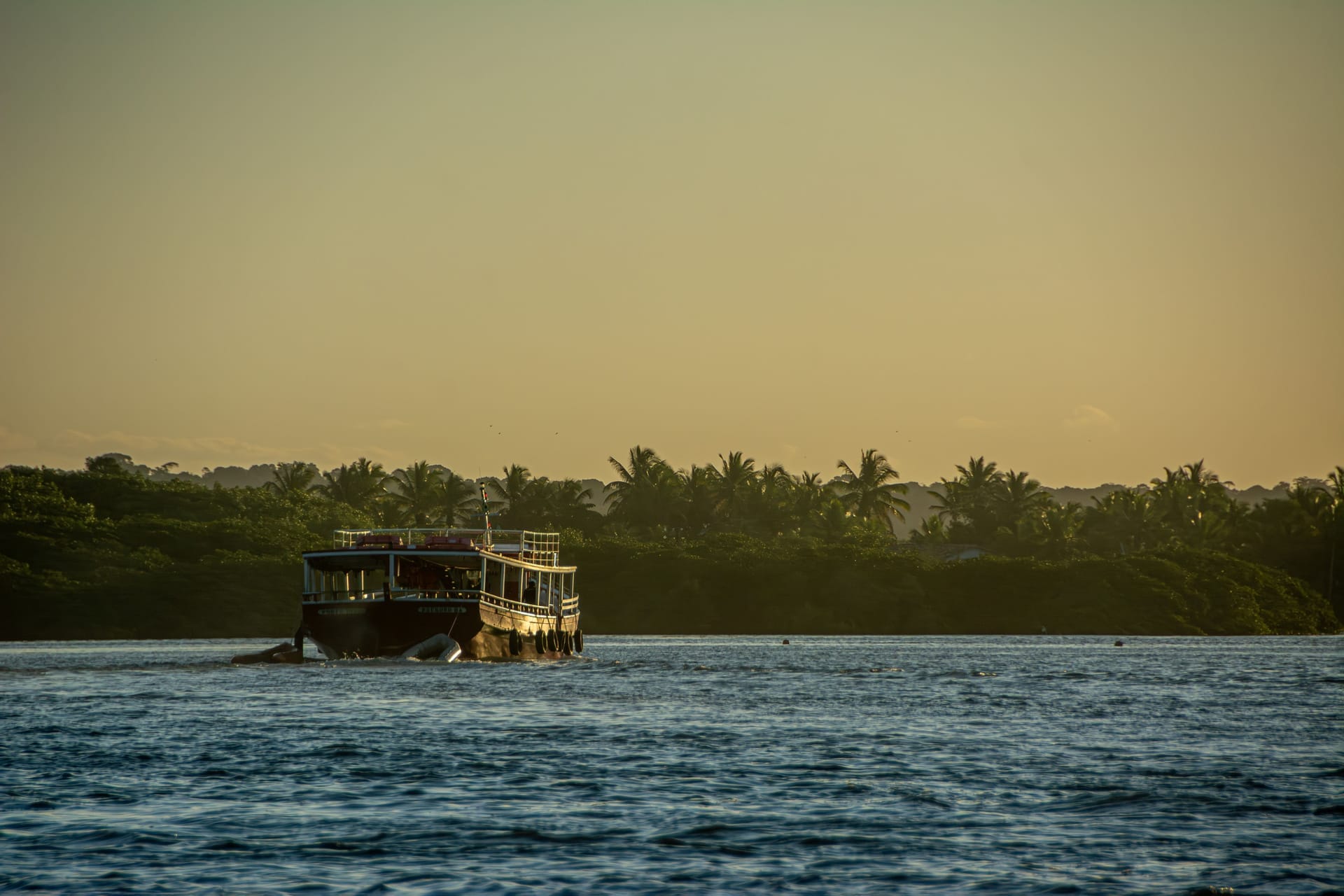
On the map, Savu Island sits so close to Rote you could almost swim across. Sumba on one side, Timor on the other, and this dry little strip of lontar palms parked right in the middle. Then you try to actually go, and the map stops being your friend. No daily boat, no booking page for a room, barely any English once you land. This is the kind of trip that opens up when you have months on the islands around Rote, not a fortnight of leave. Live here for a season and Savu becomes reachable. Pass through in two weeks and it stays a line on the horizon.
Where Savu is, and why the map lies about it
Savu is the largest of three islands, Rai Hawu, Rai Jua and the uninhabited Rai Dana, sitting midway between Sumba and Rote and west of Timor in the eastern Savu Sea.1 The map lies because the gap to Rote is deep open water with no daily boat, so a short-looking hop becomes a real crossing.
Rai Dana lies about 30 km southwest of Rai Jua, and the whole group is fringed by coral reefs and sandy beaches.1 In Indonesian you’ll see it written Sawu, and locals call it Sabu, so the name shifts depending on who you ask.1
Here’s where the map plays a trick. The gap between Rote and Savu looks small enough to shrug off. What fills that gap is real open water. The Savu Sea is a semi-enclosed deep sea running more than 1,000 metres down, not a sheltered lagoon you skip across on a calm afternoon.2 So the short-looking hop turns into a crossing that runs on the schedule of boats and small flights that don’t leave every day. Working out how you actually get across, and when, is its own separate piece of planning, and reaching Savu rewards anyone who treats it seriously rather than showing up hoping for the best.
The distance your eyes measure and the distance your body has to cover are two different numbers here. That single fact shapes everything else about the trip.
What the island is: lontar palms, dry seasons, no tourism
Savu is a dry, working island of farmers and weavers that runs on the lontar palm: its sap is the daily drink and gets boiled into palm sugar. A tropical savanna climate keeps it parched outside the November-to-March rains, and there is no tourism industry, no resorts, no tour desk and barely any English.
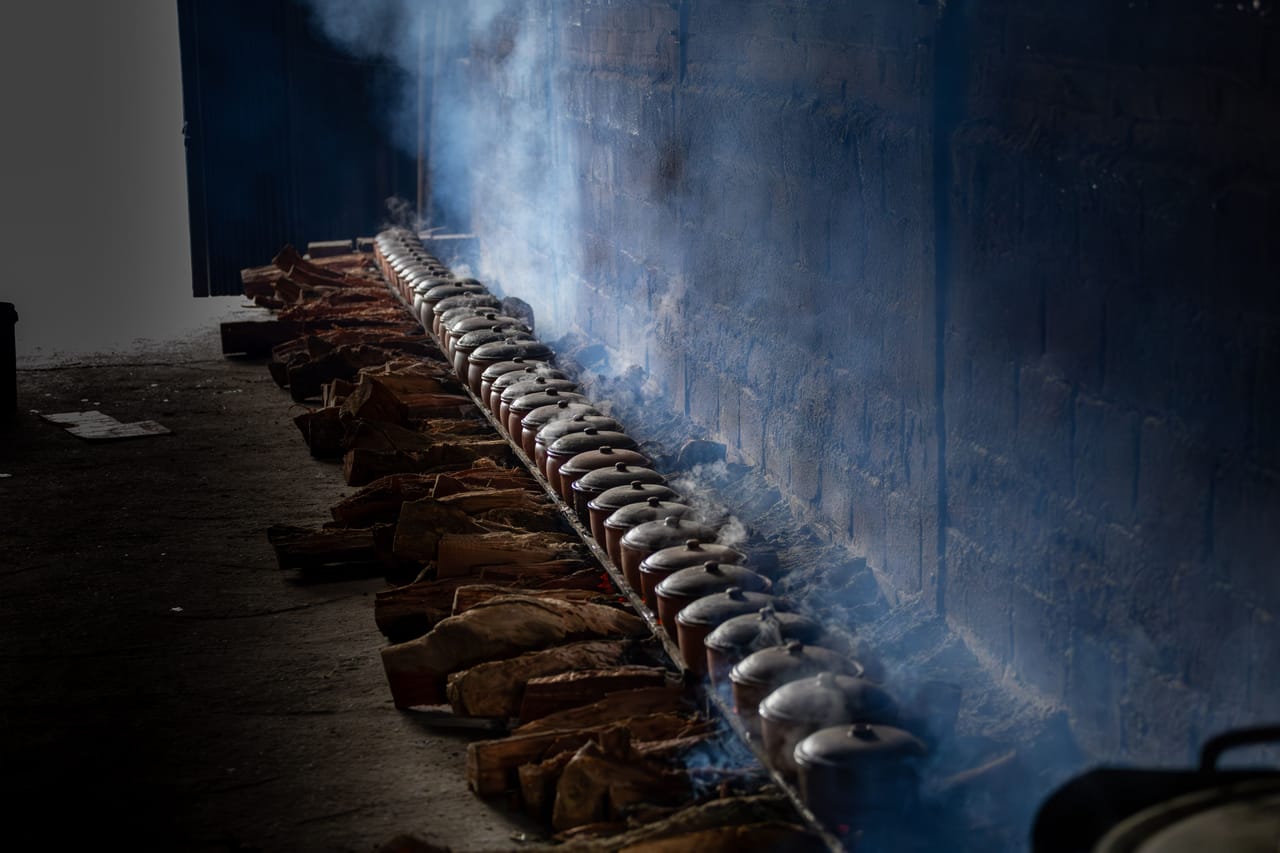
Savu runs on the lontar palm. The sap tapped from its flower is a daily drink, and the sweet palm water gets cooked down into a thick, sticky sugar. Spend a morning in a village and you’ll smell it before you understand it, the constant low work of boiling sap that keeps the island fed through the lean months.
The land backs this up. Savu carries a tropical savanna climate, dry for much of the year thanks to the winds that blow across from Australia, with the rains concentrated into one stretch of the calendar. Annual rainfall sits around 1,019 mm, and 82 to 94 percent of it falls in the western monsoon, so the rest of the year the ground is grass and palm and dust.1 Corn is the staple crop, planted alongside rice, beans and livestock, with cotton the main crop over on Rai Jua.1 This is a working island of farmers and weavers, not a garden laid on for visitors.
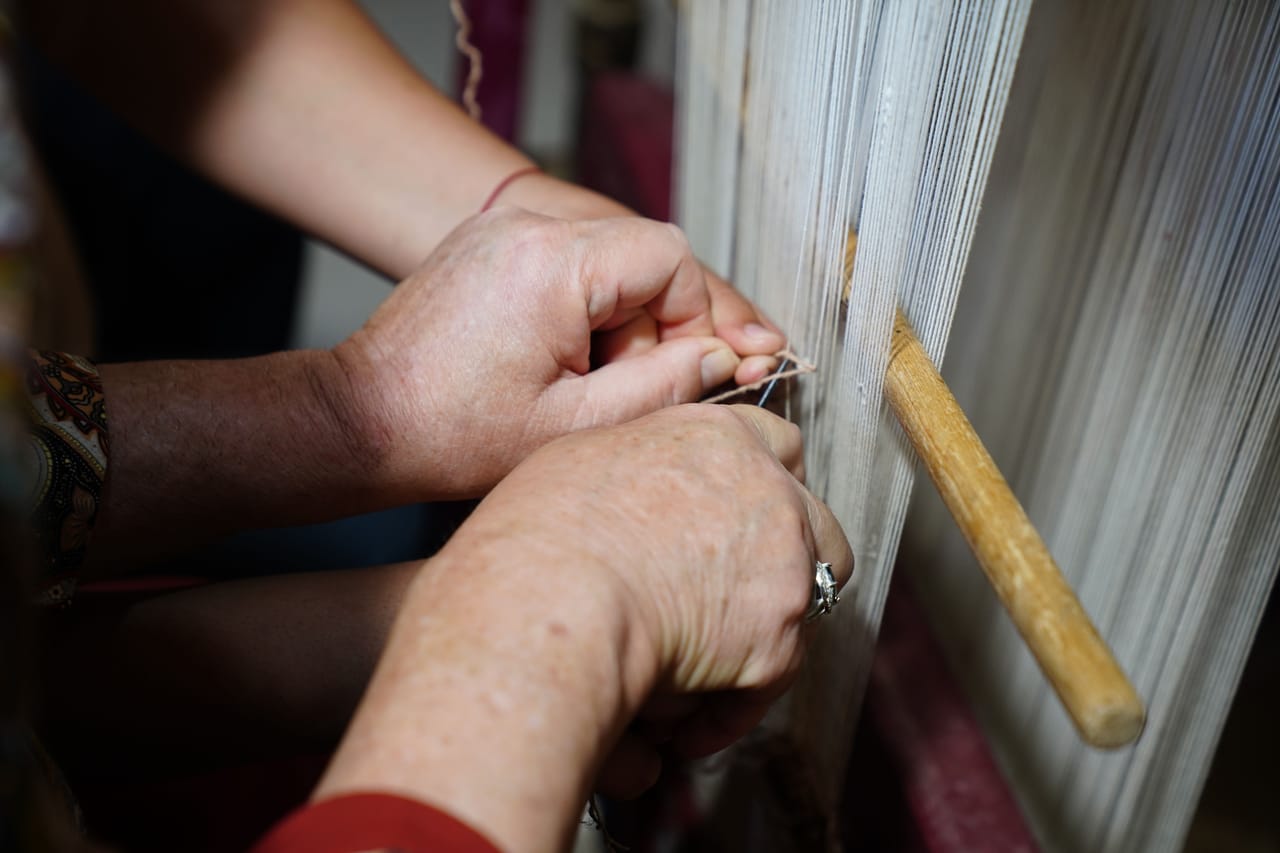
The weaving is the other thing worth crossing the sea for. Savunese ikat is tied to two maternal lineages, Hubi Iki and Hubi Ae, each with its own cloth and its own strict count of stripes.3
What you won’t find is a tourism industry. No resorts, no tour desk, no menu translated for you. If you need a room you can book from your phone and a plan you can trust to the hour, Savu will wear you down. Administratively the islands form the regency of Sabu Raijua, and it remains a place that runs on its own terms.1 That honesty is the point. Savu suits the traveller who’s happy to be a guest in a place that isn’t set up for guests.
How many days it takes to be worth going
Give it a week if you can, and never count on fewer than four full days on the ground. The crossing eats a day at each end, and the boats and flights don’t line up neatly, so a rushed schedule tends to collapse the first time the weather turns.
Here’s roughly how I’d frame it:
- Bare minimum that still makes sense: four to five days total. One day over, two or three on the island, one day back, and you accept you’ll see Seba and one or two villages, nothing more.
- Comfortable: seven to ten days. Enough to reach the weaving villages, sit with people, wait out a bad-weather morning without panicking, and actually rest.
- If the boat gets cancelled: add a two or three day buffer to whatever plan you made, because open-water swell can build along the southern coastlines, and rough water is exactly what strands small crossings.
This is the arithmetic that makes Savu a long-stayer’s island. Someone on Rote for two weeks who spends four or five of those days getting to and from Savu has burned a third of their trip on one detour. Someone here for three to eight months can lose a week to a cancelled boat and simply carry on. The trip belongs to people with time to spend and time to waste, which is most of the point of staying long in this part of the world.
Where you sleep and what you eat once you’re there
Sleeping on Savu means a homestay or a losmen, mostly around Seba, the main town, found by asking on arrival rather than booking online. Eating means warungs: rice, fish straight off the boats, vegetables, corn and local palm sugar in everything sweet. Expect no café scene and no Western food on demand.
There’s no reliable booking portal for rooms, and pretending otherwise would set you up to fail. You find a room the old way, by asking when you arrive, letting the driver who brought you in make a call, or having someone on Rote put you in touch before you leave. Rates get agreed in person. Turning up in the afternoon with a bit of patience beats scrolling for a listing that doesn’t exist.
Eat where the island eats. Warungs do rice, fish straight off the boats, vegetables and the local palm sugar in everything sweet. Corn shows up constantly because corn is what the island grows.1 What you shouldn’t expect is a café scene or Western food on demand. If you’ve spent time around Nemberala on Rote, where the surf crowd has pulled in a handful of places that cater to outsiders, Savu will feel a couple of decades quieter. That quiet is the reward, provided you arrive ready for it.
A few things worth packing, because you won’t reliably buy them on the island:
- Cash in small notes, plenty of it, since cards are useless and ATMs are scarce.
- Any medication you actually need, plus a basic kit.
- A power bank and a torch for the evenings when the electricity wanders.
- Sun cover and reef shoes if you plan to get in the water.
- A gift or two if you’ll be visiting weaving households, which good manners quietly expects.
The trips people from Rote actually make
The people who live here don’t treat Savu as a standalone holiday. They fold it into the shape of a season. Most go in the drier, calmer stretch of the year and build in slack for the water to misbehave, because they already know rough seas can turn a southern crossing into a gamble. Some string it together with a wider loop, treating Savu as one stop on the way toward Sumba and the wider region, where the distances make even more sense once you’re already out in that direction.
It helps to know which kind of trip you’re signing up for. Semau is a weekend, close and easy and forgiving. Savu is an expedition, and treating the two the same is how people get stranded and grumpy. The reward for the harder trip is a place that hasn’t been smoothed down for anyone.
The water around here earns the effort too. The Savu Sea holds one of the 50 most climate-resilient coral reefs on the planet.4 If you’re the sort who packs a mask, the same instinct that draws you to diving and snorkelling around Rote will pay off on Savu’s reefs on a calm day. Those chasing the far southern edge of the archipelago sometimes pair the region with Ndana island, pushing to the literal bottom of the country while they have the months to do it.
That’s the honest case for Savu. It’s slow, it’s uncertain, and it hands nothing to the traveller in a hurry. Give it the time it demands and it opens up completely, which is exactly the kind of trip a long stay on Rote is for.
Sources
Footnotes
-
(a) Map of the Savu Sea, bathymetry (m), land topography … researchgate.net ↩
-
Savu & Rai Jua - Threads of Life. threadsoflife.com ↩
-
CODRS & TURF-reserve in Sumba to support a … ykan.or.id ↩