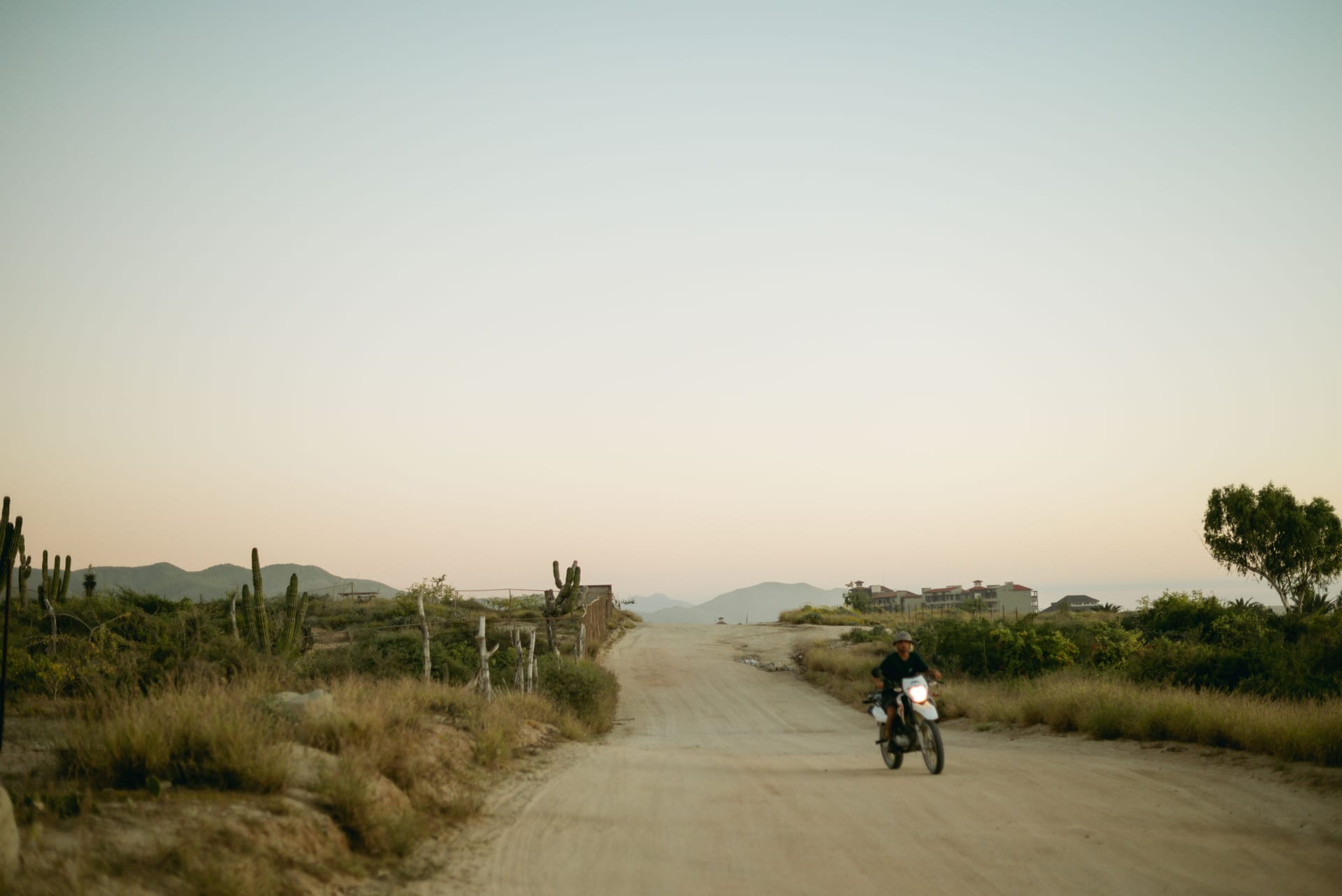
From Rote, Sumba is the one regional trip that keeps rewarding you the longer your calendar stays open. It sits close on the map. Reaching it still takes real effort, on an island bigger than most people picture, with two airports at opposite ends and roads that turn 150 kilometres into a full day. Try to squeeze it into a long weekend and you’ll spend the whole time in a car. Give it a proper stretch and it becomes the best argument for why living out here, with months of open time, changes what you get to see. If you’re already weighing the islands around Rote, Sumba belongs near the top of that list, and it belongs to people who can wait for the right week to go.
What a realistic week on Sumba looks like
Look at the numbers before you look at flights. Sumba covers 10,909 square kilometres, roughly the size of Jamaica, and it’s split into four regencies that stretch from West and Southwest Sumba across to Central and East. 1 That’s a lot of island to cross before lunch. The airports sit at the extremes, Tambolaka in the west and Waingapu in the east, and the good stuff clusters near both ends, so any honest itinerary has to move you from one side to the other over slow, winding road.
Six days is the floor. That buys you a couple of days around one airport, a driving day to cross, and a couple of days at the other end before you fly home. Eight to ten days is where it stops feeling rushed. With ten you can lose an afternoon to a waterfall run north of Waingapu, sit in a village long enough to be offered coffee twice, and still keep a buffer for the Wings Air flight that decides to leave two hours late.
Six days is the realistic minimum. Eight to ten is ideal. Anything shorter and you’re paying for a plane ticket to see the inside of a car.
This is exactly where the small trips from home earn their keep. Ndana, the southern tip of the country, and Semau off Kupang both work as day runs, boat over and back before dark. Sumba refuses to be that. You plan this trip in advance, and that’s the first thing to make peace with.
Getting there from Rote and Kupang, by flight and ferry
Every guide written from Bali assumes you fly in from the west. From Rote you come the other way, and the sequence is always the same. First you get yourself to Kupang, the mainland hub that anyone living out here already uses as a staging post, the same logistics that make Kupang a base for the whole region. From Kupang you have two honest options into Sumba, and they trade money for time in opposite directions.
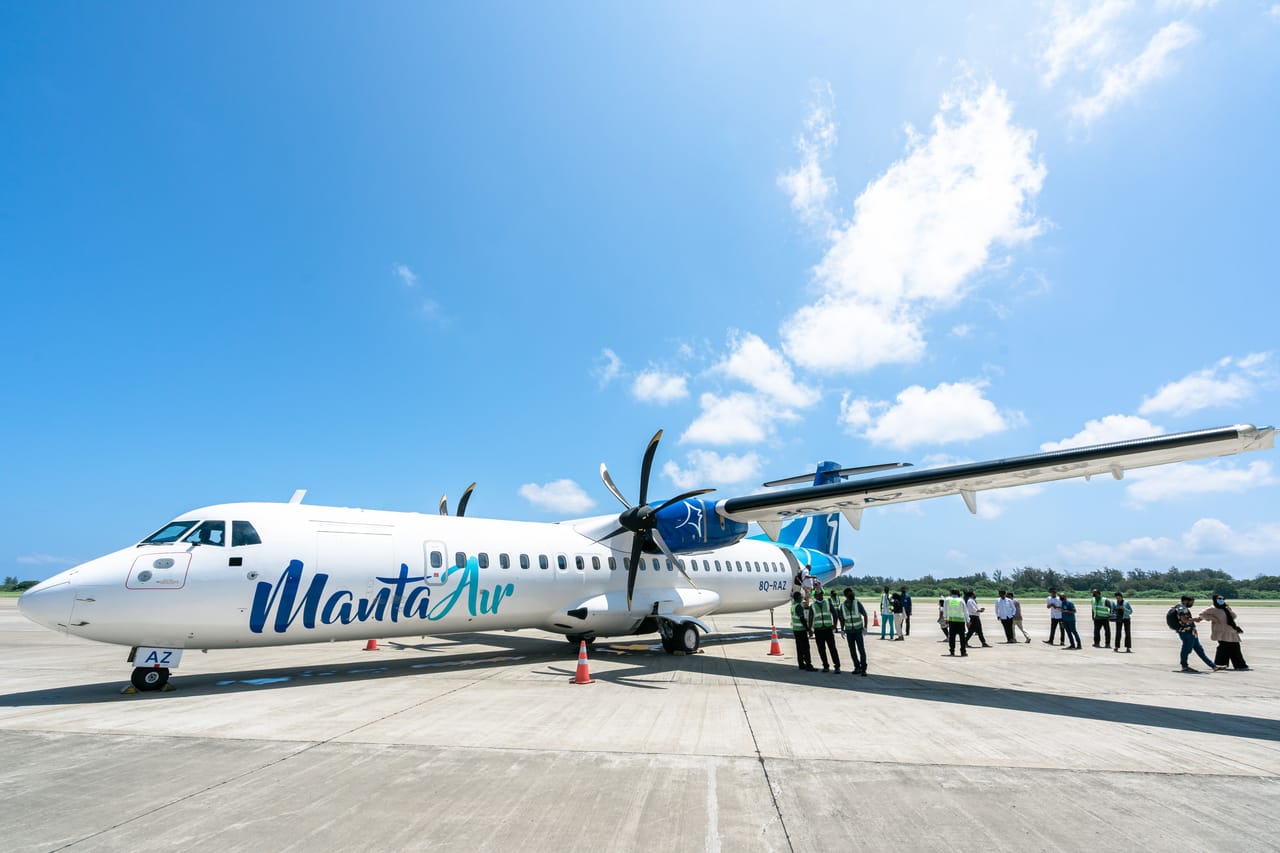
Flying is the fast one. Wings Air and NAM Air run the short hops from Kupang to either Tambolaka in the west or Waingapu in the east, a hop of a little over an hour in the air. On paper they go most days. In practice you build in slack, because regional NTT flights slip, cancel, and reshuffle with the weather and the load. Book the aisle and expect a delay and you’ll rarely be disappointed.
The ferry is the slow, cheap, sea-legs option. The Kupang to Waingapu crossing runs only a few times a week, and depending on the vessel and the swell it can eat anywhere from most of a day to well over a full one. You buy the ticket at the port a day or two ahead, never online, and you bring your own food, water, and a mat if you want to sleep. It’s the kind of passage that turns into a good story or a long slog, and which one you get depends entirely on the sea that day.
Here are the plain facts to plan around. From Kupang you reach Sumba by air in a short flight to Tambolaka or Waingapu on Wings Air or NAM Air, running most days but not always reliably. The alternative is the port ferry to Waingapu, sailing only a few times weekly and taking the better part of a day or more, bought at the harbour one to two days before departure. If you’re comparing this with the shorter crossing to Savu, Savu runs on its own thinner schedule, so check both before you commit a date.
| Route | Mode | Rough duration | Frequency | Notes |
|---|---|---|---|---|
| Kupang to Tambolaka (west) | Flight | Just over an hour | Most days | Best for a west-first loop |
| Kupang to Waingapu (east) | Flight | Just over an hour | Most days | Lands you nearest the eastern sights |
| Kupang to Waingapu | Ferry | Most of a day or more | A few times weekly | Ticket at the port, bring supplies |
Simple rule for the return. Book your outbound and your homebound flights on the same trip, because a one-way improvised out of Sumba on a full plane is how people lose two extra days.
East and West Sumba, two very different islands
People say Sumba like it’s one place. Spend a week there and you’ll stop doing that. The split runs deeper than distance, down into how the societies themselves are built. The east and north are stratified, caste-based confederations led by a dominant clan that picks a raja with real authority, while the west is a patchwork of segmentary, politically autonomous villages, more diverse in both ethnicity and language. 1 You feel that difference on the ground, in how villages are organised and how you’re received.
| East Sumba | West Sumba | |
|---|---|---|
| Main gateway | Waingapu | Tambolaka |
| Terrain | Drier, open savanna | Greener, more hills |
| Social structure | Stratified, clan confederations under a raja 1 | Segmentary, autonomous villages 1 |
| Cloth | Hinggi ikat, the famous Waingapu trade 2 | Its own weaving traditions |
| Best for | Easier logistics, textiles, coast | Villages, megaliths, dramatic terrain |
The east around Waingapu is the easier half to move through, and it’s the historic centre of the hinggi ikat trade that made the island’s cloth known well beyond Indonesia. 2 The west is hillier and, for many people, the more striking half, with hilltop villages and stone tombs that reward the harder driving. There’s also the practical detail of getting there. Coming from Kupang you can land clean at either end, so pick a direction, west-to-east or east-to-west, based purely on which return flight you can actually book, and the island unspools in one line, no doubling back.
Between them, near Waingapu, the country opens into savanna. Tanggedu Waterfall sits about 50 kilometres northwest of the city, and Puru Kambera beach around 30 kilometres out along the coast road. 1 Both are eastern half detours, and both are the kind of thing you only fit in when the week isn’t a sprint.
Villages, ikat, and the coast
Strip away the brochure language and Sumba comes down to three things worth your days, plus a few that aren’t.
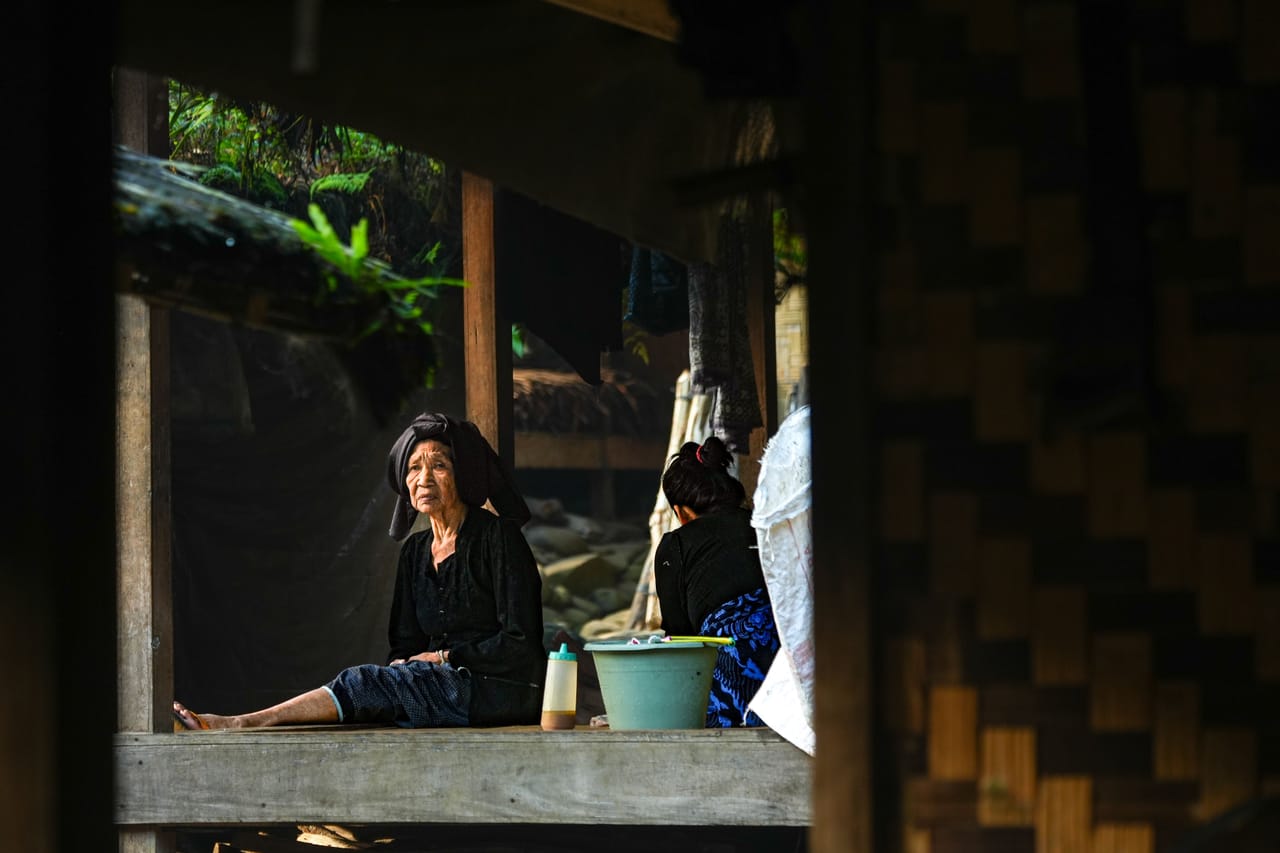
The villages are the reason most people remember the trip, and they aren’t all equal. Some are living settlements where the visit is genuinely mutual. Others have tipped into museum mode, with a visitor register at the entrance and a rehearsed circuit. You’ll know the difference within ten minutes. The honest move is to sit longer in fewer of them and accept the customs that come with it, because these are Marapu communities, the ancestor-focused belief system still practised by a small share of the island, five to eight percent, alongside a Christian majority. 1 That means real etiquette. You bring a small offering for the village head, you ask before photographing people or tombs, and you follow whoever is hosting you, never wandering into someone’s ritual space.
Then there’s the cloth, and this is where Sumba earns its anthropology. The island’s ikat has been studied as a living tradition, a craft that kept reinventing itself in response to decades of outside collectors and traders. 2 Waingapu is the historic heart of that trade. 2 Buy from the weavers directly where you can, watch how a piece is actually tied and dyed, and you’ll understand why a real hinggi costs what it costs and a bus-stop stall version doesn’t. The difference is months of someone’s work.
The coast is the quiet third. The empty beaches here are genuinely empty, with nothing staged about them, and that’s the appeal. If you already know Rotenese village life, you’ll find Sumba a useful mirror. Its rhythms feel familiar, and its different social structure makes you notice things you’d stopped seeing at home. You go as a guest either way.
Cost of a week, honestly counted
Nobody gives you a real number, so here’s one, in the two shapes a week actually takes. These are 2026 rates I’ve watched on the ground, and they move with the season. I’m converting at roughly 16,000 rupiah to the US dollar so the figures mean something in both.
| Item | Lean week | Comfortable week |
|---|---|---|
| Bed per night | IDR 150k to 300k guesthouse (about $9 to $19) | IDR 500k to 1.2M hotel (about $31 to $75) |
| Food per meal | IDR 25k to 50k warung (about $1.50 to $3) | Mix of warung and restaurant |
| Transport | Shared driver, split costs | Private driver-guide, IDR 600k to 900k/day all in (about $38 to $56) |
| Flights from Kupang | Return short-hop fares | Return short-hop fares |
Run the lean version for seven days and you’re mostly spending on the bed, three warung meals, and your share of a driver, which lands as a genuinely modest week once the flights are in. The comfortable version, private driver-guide every day and a proper hotel, multiplies the transport and lodging lines several times over and turns the same week into a real trip budget. Neither is wrong. The point is knowing which one you’re booking before you land.
One warning that matters. Around Pasola, the west’s spring ritual season, prices climb 20 to 30 percent and the good beds vanish. If you’re going then, lock rooms and a driver four to six weeks out. If you’re not tied to it, going outside that window is cheaper and quieter.
Flores, Alor, and Timor, the other trips worth planning
Sumba is one item on a longer menu, and the menu only exists because you have months. When your calendar isn’t the constraint, three other trips out of Kupang earn a place next to it.
Flores is the crowd-pleaser, and the easiest to reach by air from Kupang. It’s the one with the postcard names, Komodo off the west end and the coloured crater lakes of Kelimutu inland. Give it a week minimum, more if you want the boat time near Komodo, and expect the most developed tourism infrastructure of the three. If it’s your first NTT island beyond Rote, it’s the softest landing.
Alor is the opposite personality. The draw is underwater, some of the best diving in the country, plus a scatter of remote islands that take effort to reach. Logistics are harder, connections thinner, and that’s exactly why the people who go come back evangelical. Budget a week, more if you’re diving seriously, and go knowing you’re trading comfort for water almost nobody else is in.
Timor is the one you can do without flying at all. From Kupang it’s an overland trip, the only regional option that runs entirely by road, which makes it the natural choice when you want to travel slow and skip airports entirely. Give it several days to a week depending on how far east you push, and let the driving be the point of the trip.
Sumba sits in the middle of that spread, harder than Flores, easier than Alor, and the standout for culture and cloth. Pair it in your head with the Savu crossing and the smaller runs closer to home, and you start to see the whole region as one long slow itinerary rather than separate holidays.
Leaving your house on Rote for ten days
Here’s the part no travel guide covers, because no travel guide is written by someone who rents a house on Rote. A ten-day Sumba trip is also about what you leave behind. Walking out your own front door for a week and a half takes planning of its own.
Sort the house first. Someone checks on it, the motorbike gets stored or ridden weekly so the battery survives, and if you’ve got a garden or animals, that’s a real handover, not an afterthought. This is the quiet tax of the long-stay life, and it’s why locking the door for ten days takes more thought than a hotel checkout ever did.
Then time it to the season. The dry stretch is when the crossing behaves and the roads on both islands cooperate, so that’s when you go, and you plan around the boat and flight windows and let them set the pace. The whole advantage of living here is that you can wait for the good week.
And when you land back on Rote, you’ll notice the overlap. Sumba is famous for its birds, nearly 200 species with seven endemic to the island, including the threatened Sumba hornbill and the Sumba eclectus parrot. 1 You come home paying more attention to the wingbeats over your own patch of coast. That’s what months of living here give you. The real reward is the way the trip sends you back to your own island seeing it more clearly.