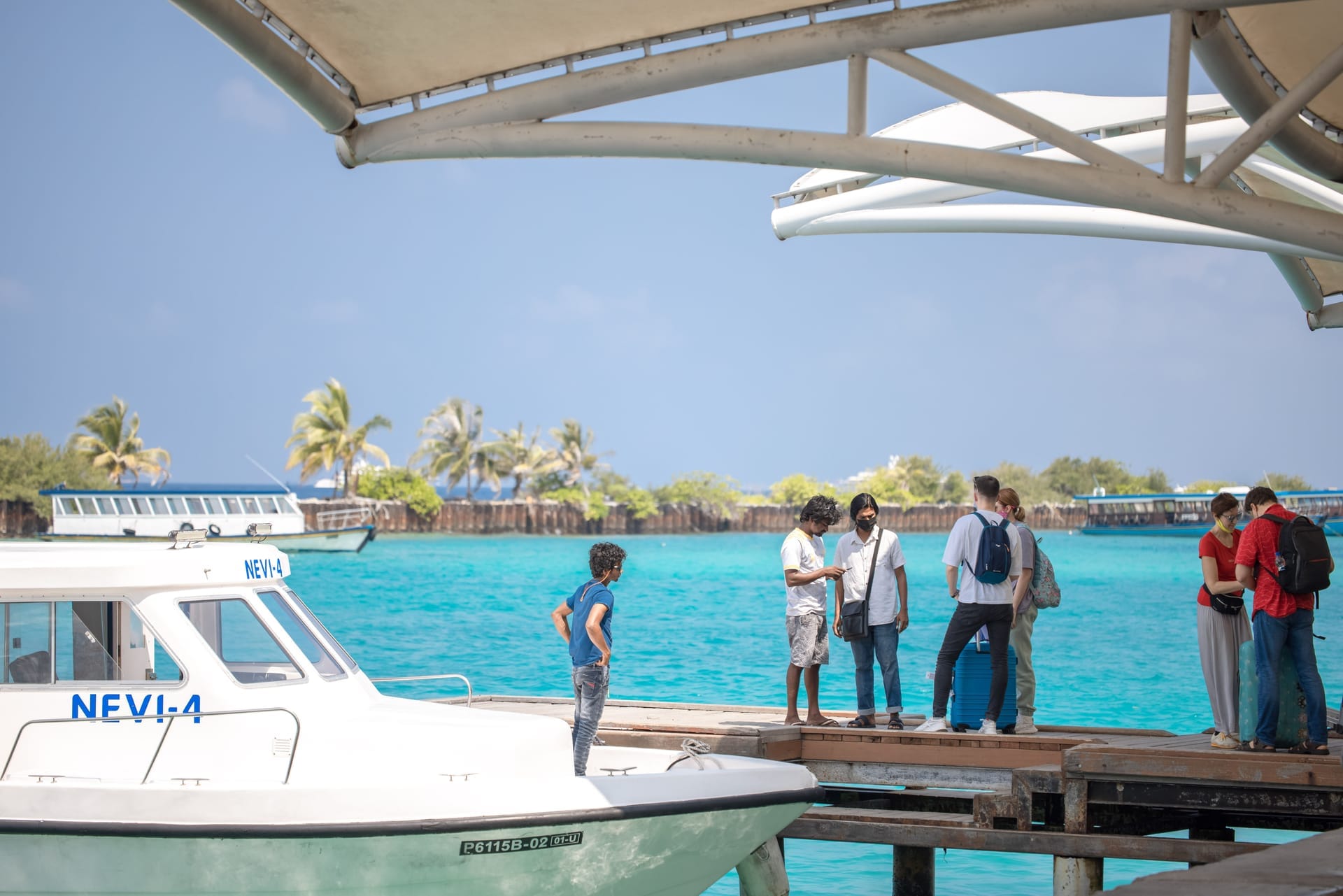
If you want to know how to get to Savu island, the first thing to accept is that no one route runs on demand. Savu sits out in the Savu Sea, midway between Sumba and Rote, west of Timor, and every way in funnels through the same choke point on the mainland 1. I make these regional crossings through the year, not once as a holiday, so what follows is the honest mechanics: which boats and planes exist, how long they really take, and how often the sea or an empty passenger manifest quietly cancels your plan. Everything starts in Kupang, the provincial capital on Timor and the only practical staging point for the trip.
The three ways to Savu, and which one is running
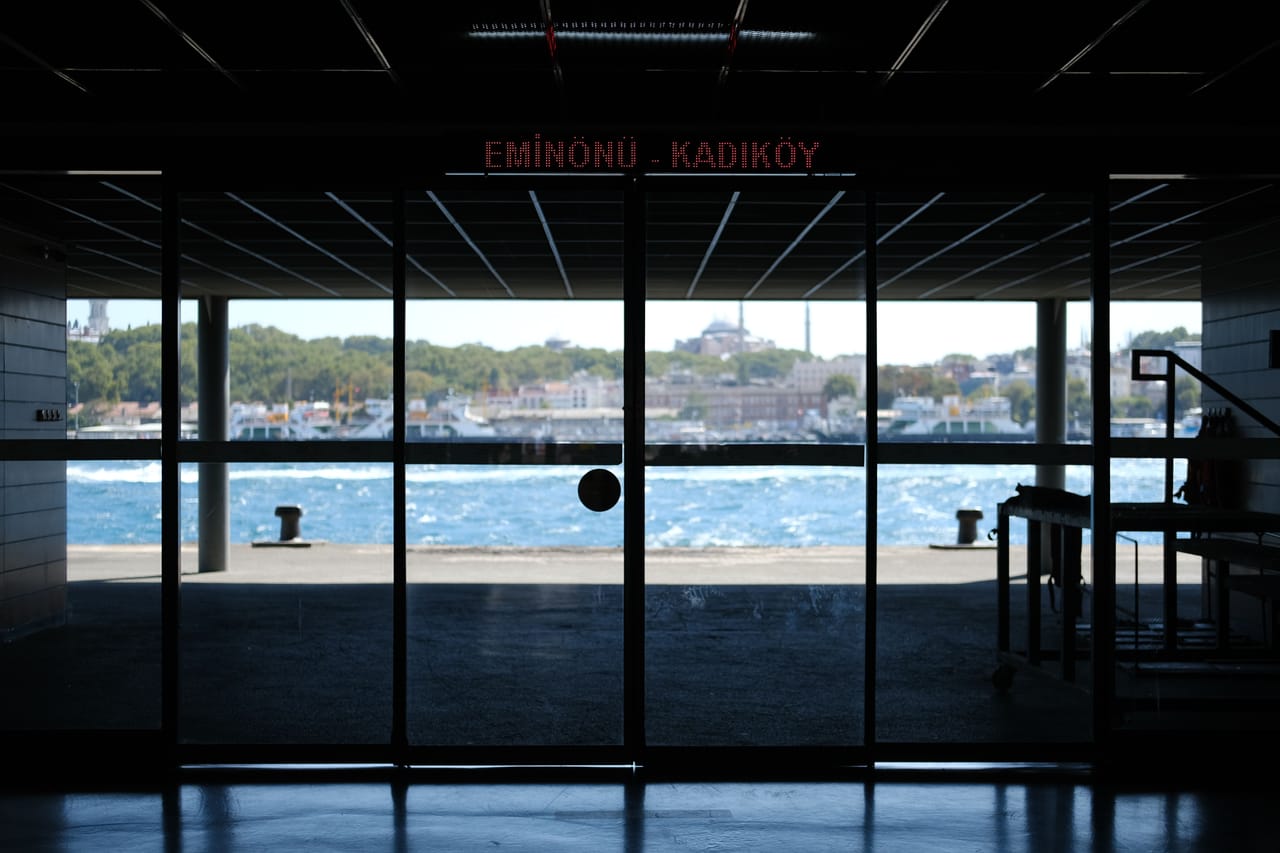
There are three ways onto the island, and on any given week you might find only one of them actually operating. Fast ferry, slow ferry, and a small plane. Here is how they compare on the Kupang to Savu leg.
| Way in | Rough journey | How often it runs | Reality check |
|---|---|---|---|
| Fast ferry (Express Cantika) from Tenau | Several hours | Departs around 10AM, most days | The default for most travelers, but “most days” is doing real work in that sentence 2 |
| Slow ferry, Kupang to Seba | 8 to 12 hours depending on the sea | Irregular | A long overnight-scale haul when swells are up 3 |
| Susi Air to Sawu Airport | Short hop | A few days a week, cancellation-prone | Book only when the plane makes sense for your bags 1 |
The point of the table is the last column. Schedules here shift with the season and with the passenger load, and a route that ran fine in July can go quiet in January. Booking aggregators sometimes show no current operators or sailings on the Kupang to Sabu route at all, which tells you how thin the margin is 3. Before you commit to a date, confirm on the ground in Kupang rather than trusting a printed timetable.
The Kupang ferry: crossing time and what the boat is like
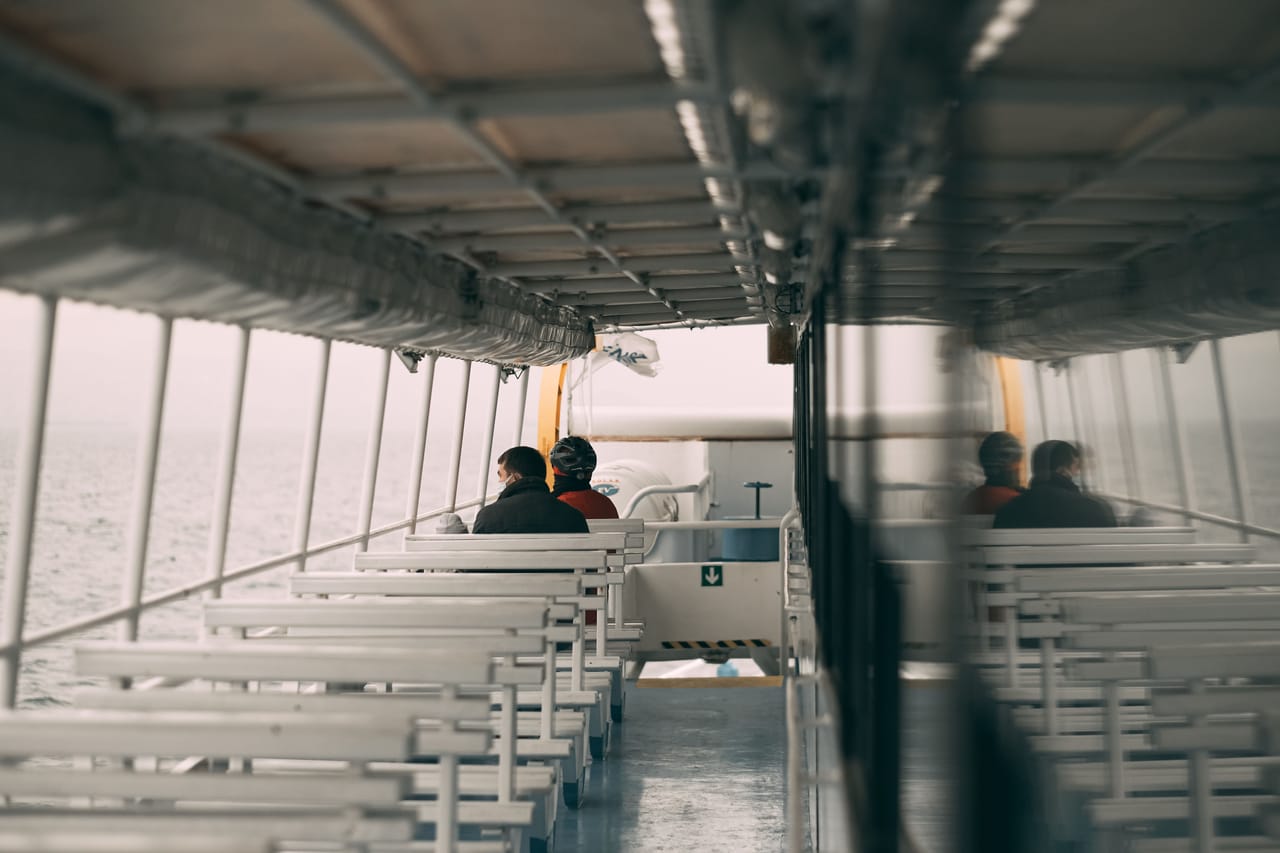
The workhorse connection is the ferry from Kupang. The regular service to Seba, Savu’s main port town, typically takes 8 to 12 hours depending on sea conditions, which is a full day of your life once you add getting to the terminal and waiting to board 3. That is the slow boat, and in the wet months the upper end of that range is not theoretical.
The faster option most travelers reach for is the Express Cantika, the fast ferry that leaves around 10AM from Tenau, Kupang’s main ferry port 2. It cuts the crossing down to a fraction of the slow boat’s time. You buy tickets at the terminal rather than through a slick app, so build in margin. The guidance for these Savu Sea crossings is to arrive at the port a good two hours before departure, and on a busy morning you will want every minute of it to sort your ticket and get aboard 3.
As for the boat itself, treat any Savu island ferry crossing as an open-water passage, not a calm harbor hop. The Savu Sea is deep and exposed, and swells build fast, so if you feel the motion, sit low and central where the movement is least. Bring water and something to eat, keep valuables and documents on you rather than buried in checked bags, and expect basic seating rather than comfort. If you are moving with heavy luggage, and long-stayers usually are, factor in that you carry it on and off yourself.
Flying: Susi Air, small planes, and the weight you cannot bring
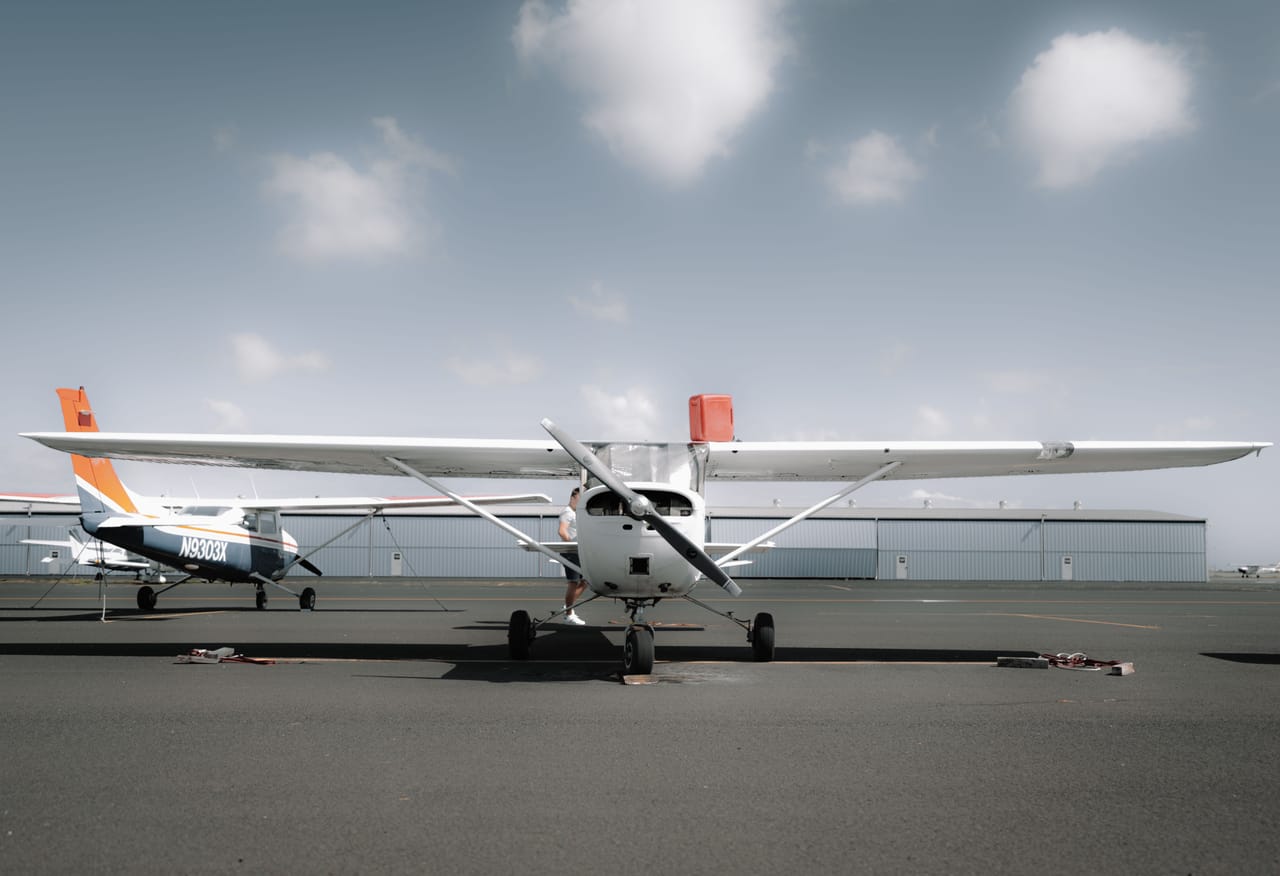
Flying into Savu means a small Susi Air aircraft. The airline connects Sawu Airport with Kupang, and also with Ende on Flores and Waingapu on Sumba, so the air network is real but light 1. When it runs, it turns a day-long sea crossing into a short hop, and on a clear morning that is a genuinely good trade.
The catch is the aircraft itself. These are small planes, which brings hard practical limits worth knowing before you pack:
- Baggage allowances are strict and enforced, so the 40 kilos of a life-in-transit that a ferry shrugs off can become an expensive problem, or simply refused, on a light aircraft.
- Frequency is thin. Flights run only a few days a week, so a single cancellation can cost you two or three days, not two or three hours.
- You often learn about a cancellation late, sometimes at the airport, because weather and load both decide whether the plane goes.
So the honest rule on Savu island flights: fly when you are traveling light and your dates have give in them. Take the ferry when you are hauling everything you own and cannot afford to be bumped off a plane that seats a dozen people.
From Rote to Savu, you still go through Kupang
If you are already living on or visiting Rote, do not assume there is a shortcut across the water. There is no direct connection from Rote to Savu. The realistic route is to take the ferry back to Kupang, cross town to the airport, and fly to Sawu Airport, or pick up the Kupang to Seba ferry from there 4. A Sabu to Rote sea link does exist, running roughly 4 to 5 hours, but it is not a service you plan a tight itinerary around 3.
This is why Kupang keeps coming up. It is the hinge for the whole region, the place you route through for Savu, for Sumba, and for anything beyond, and its role as your logistics base is a subject of its own. On the water between Kupang and Rote you pass close to islands like Semau, a reminder that this is an archipelago you cross in stages, not a single ride. Plan Savu as a Kupang-out-and-back, and the whole thing gets simpler.
Wet season: when the sea closes the crossing
Here is the part the surf-trip blogs skip. The Savu Sea has a temper, and for part of the year it decides your schedule for you. The dry season runs roughly May to November and gives you the calmer seas and more reliable crossings; the wet season, December through April, is when rough water can disrupt ferry services outright 3. On Savu itself the main rains fall between November and March, and from April to October deep ocean swells pound the southern coastlines, so exposed water is rarely far from lively 1.
What that means in practice: during the height of the wet months the fast ferry can be held in port, the slow ferry stretches toward its 12-hour worst case, and the Susi Air flights that might rescue you become less dependable in the same weather. A crossing you assumed was daily can vanish for a stretch of consecutive bad-sea days. The island does not stop when the route closes, life carries on, but if you have an international flight waiting for you out of Kupang, a shut sea is not an anecdote. It is a missed connection.
Can the Kupang to Savu crossing be cancelled outright? Yes. In the December-to-April window, rough seas can suspend sailings for days at a time, and the plane is no guaranteed backup because it flies fewer days and answers to the same weather 3.
Building slack into the plan so a cancellation is not a disaster
Treat Savu travel as life logistics, not vacation logistics, and the fixes are simple. The residents’ rules I actually follow:
- Never schedule your international flight out of Kupang for the same day you cross from Savu. Give yourself buffer nights in Kupang before anything with a departure gate attached, especially in the wet months.
- Skip the last usable crossing of the day. If it cancels, you have nothing behind it. Aim for an earlier boat so a bad morning still leaves you options.
- Arrive at the port around two hours ahead, both to secure your ticket and because these services do not wait 3.
- Watch the sea, not just the schedule. Ask at the terminal and around town what the water has been doing, since local read beats any app here.
- Pack a bad-day bag in your carry-on: documents, medication, a change of clothes, chargers, enough cash. If a crossing strands you an extra night, you want the essentials on your person, not sealed in a hold.
Do this and a cancelled boat becomes a slow afternoon instead of a blown itinerary.
When it is worth the trouble
Savu asks more of you than most places you can reach from Kupang, and that is exactly why so few people bother. The reward is an island of ikat weavers, quiet limestone coves, and a rhythm the ferry schedule has protected from the crowds 3. If you are settling into this corner of Indonesia for months rather than days, that friction stops being an obstacle and starts being the point. The Living in Rote concierge handles this kind of regional logistics for long-stayers and residents, from Kupang connections to timing a Savu trip around the sea, so the planning is one less thing on your plate.
Sources
Footnotes
-
Savu. en.wikipedia.org ↩ ↩2 ↩3 ↩4
-
Sawu Islands. wikitravel.org ↩ ↩2
-
Sabu Ferry | Port Info, Routes & Tickets. openferry.com ↩ ↩2 ↩3 ↩4 ↩5 ↩6 ↩7 ↩8 ↩9
-
Rote Island to Savu - one way to travel via ferry, and plane. rome2rio.com ↩