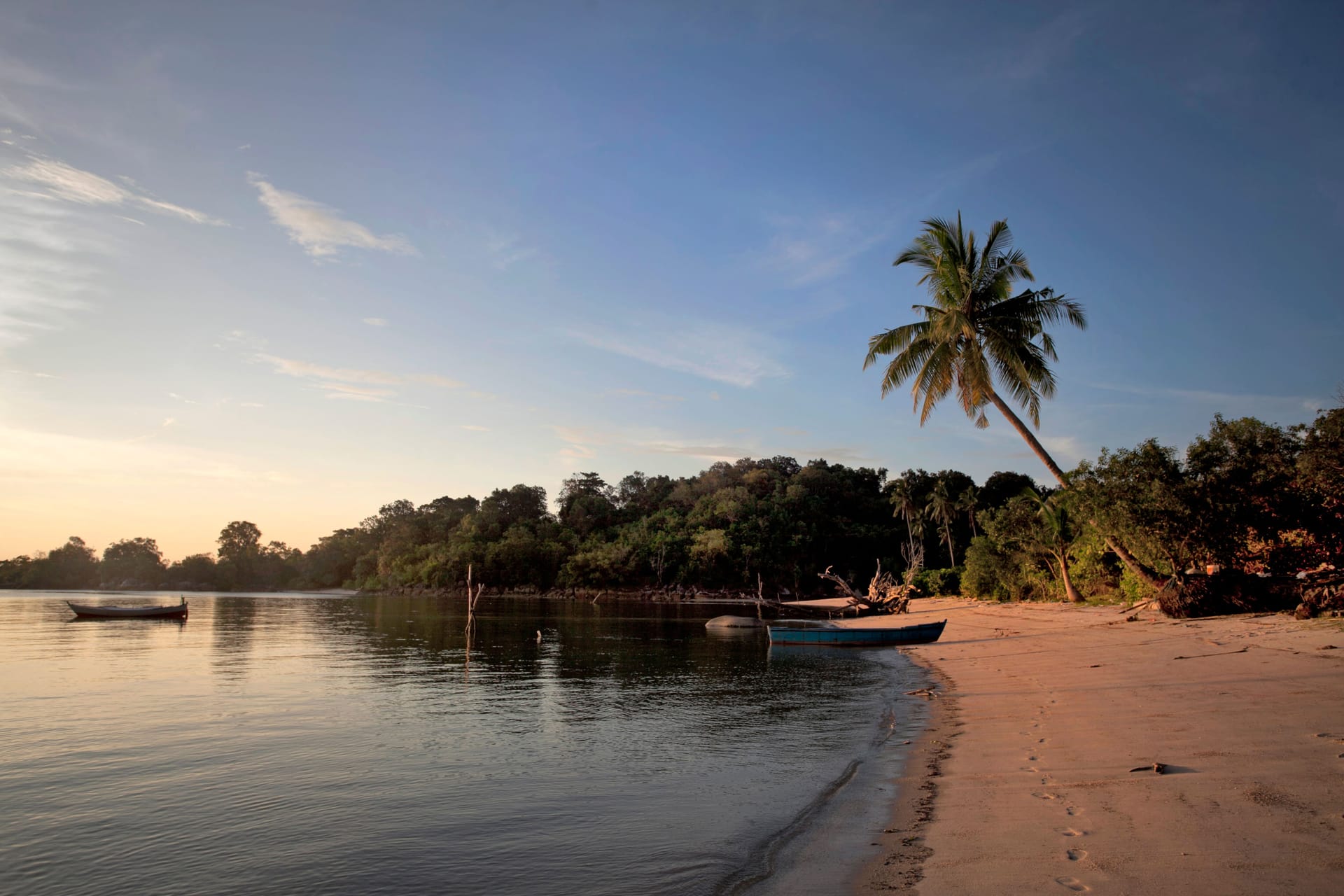
Walk down to the water at six in the morning, most weeks of the year, and the sea in front of the village is a sheet of glass. No lines on the horizon, no spray off the reef, a couple of fishing boats sitting flat on their own reflections. If you came to Rote chasing a week of waves, this is the moment the panic sets in. If you live here, it’s just Tuesday. Understanding Rote’s surf spots starts with accepting that most of the time they are doing exactly this: nothing. The famous breaks are real, and on the right days they are as good as anywhere in Indonesia. The catch is how few of those days there are, and how much patience it takes to be standing on the sand when one arrives.
Rote sits at the far southwest of the Lesser Sunda chain, tucked below Timor with the Savu Sea to the north and the Timor Sea to the south.1 That position is the whole story. The swell that lights up the reefs comes from deep in the Southern Ocean, and it has to line up with the right window and the right tide before any of these spots turns on.
Where Rote’s Surf Spots Actually Sit
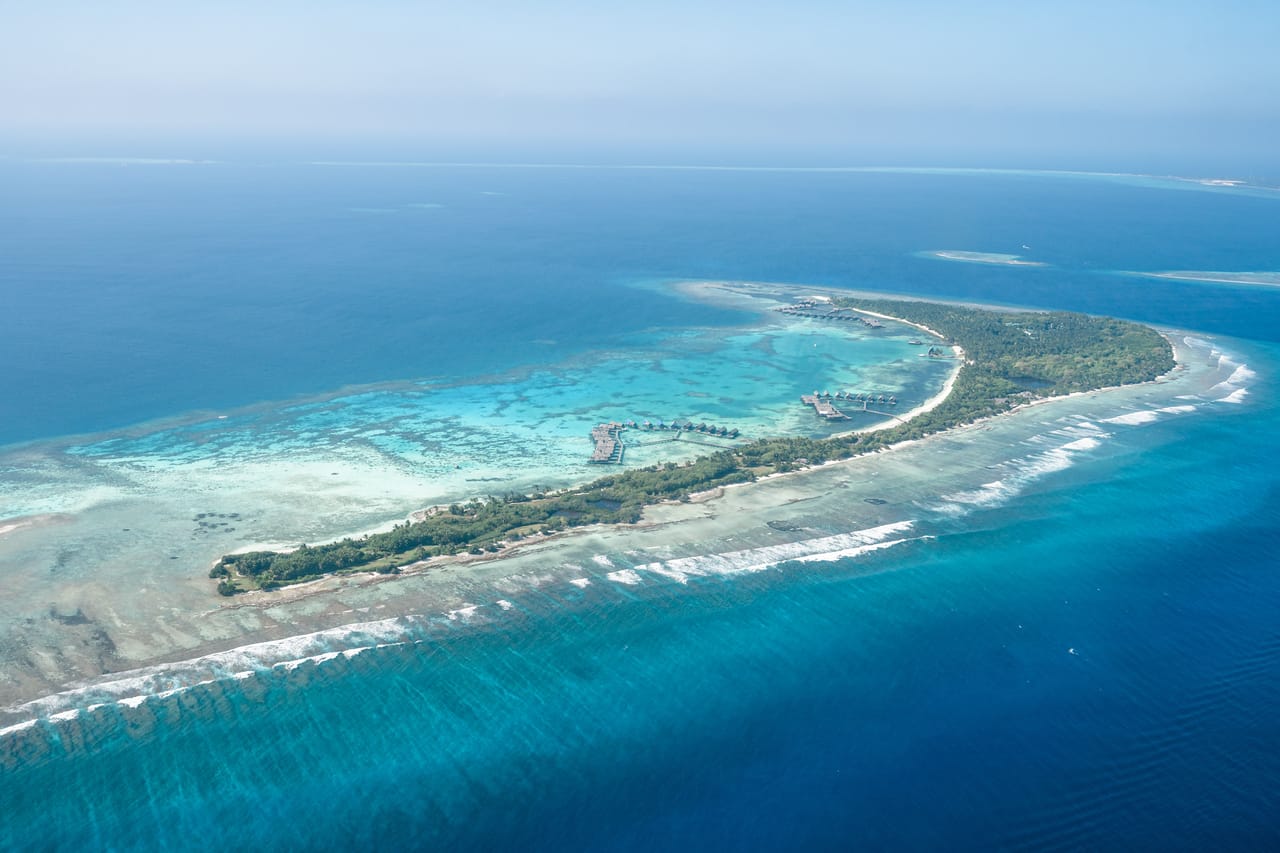
Almost everything people mean by “Rote surf spots” is packed into a short stretch of the island’s southwest corner. The headline break rolls in straight off the beach in front of the main village, and a scatter of reef passes runs north and south of it along a coast that faces the open Timor Sea. The village itself, with its warungs and losmen and the people who make the place work, sits just behind that sand, and if you want the human side of it that’s the story of Nemberala village, not the breaks.
The island is small, roughly 1,227 square kilometres, and it never climbs much above a few hundred metres, so nothing blocks the wind or the swell coming in from the southwest.2 Look at a chart and you’ll see why the reefs are shaped the way they are. Rote is the youngest island of the Banda outer arc, an accretionary wedge of marine sediment pushed up as the Australian plate grinds under the Banda Arc.1 The whole southwest shelf is uplifted Cenozoic sedimentary rock, which is exactly why you get long, shallow reef platforms fringing the coast instead of deep-water beach breaks.3 Those reefs are what you’re surfing. They’re also what you have to respect.
Why the Breaks Are Flat Most of the Year

Here’s the part the travel guides skip. Rote works on a season, and outside that season the reefs sit quiet for weeks at a time.
The dry months bring the steady southeast trades, glassy dawns, and windy afternoons. That’s the stretch when swell is most likely to show and when the surf-minded crowd thickens up around the main break. The wet season flips it: greener, calmer, emptier, with softer mornings and long gaps of nothing on the horizon. Neither block is a guarantee. You can get a flat fortnight in prime season and a surprise pulse in the off-months.
| Block | Wind | Feel | Who’s around |
|---|---|---|---|
| Dry season (roughly Apr to Oct) | SE trades, glassy mornings, windy afternoons | Bright, dusty, busy | Peak of the surf-minded crowd, more long-stayers |
| Wet season (roughly Nov to Mar) | Lighter, shiftier | Green, quiet, humid | Thin, mostly people who live here |
The actual count of rideable days, and when the swell window opens and closes, belongs to the Indonesia surf season rather than a single beach report. What matters standing on the sand is the arithmetic: over a full year the sea in front of you is small or flat far more often than it’s firing. And the wind that flattens your surf afternoon is a gift if you ride something else. Those breezy dry-season afternoons are prime for kiting and foiling, which is how plenty of long-stayers fill the days between swells.
The Reef, the Tide, and Who Gets in the Water
No swell doesn’t mean you can just wander out whenever you like. The reef runs the clock here, and the tide runs the reef.
In front of the main breaks sits a wide, shallow reef flat. At low tide it drains until the coral is barely covered, sometimes dry in patches, and the lineup goes from surfable to unrideable in the space of an hour. This is when you see people out on the flat with buckets, walking the exposed reef, kids poking around the pools. Swimming is off the table until the water comes back. On a big low the whole margin of the island looks like a different place, a grey-brown platform stretching out to a distant line of white.
Push a few hours toward high tide and it changes completely. The flat fills, the shorebreak softens, the pass over the reef opens up, and that’s your window to actually swim, paddle, or surf without dragging your fins across live coral. Days here get planned around this. People ask what the tide is doing before they ask what time it is. A dawn session might mean a 5:30 paddle-out because that’s when the water is deep enough, and by mid-morning it’s drained again and everyone’s back on the sand.
The reef doesn’t forgive much. A slip on a draining low, a wipeout onto shallow coral, and you’ll be dealing with a wound that goes bad fast in the tropics, which is why anyone who stays learns how to handle coral cuts before they need to.
The Wave Out Front
Straight off the sand breaks T-Land, the long, mellow left that put this corner of the island on the map. I won’t re-explain the wave here. The logic of who actually scores it is slow surfing: the people who ride it well are the ones who live within earshot and wait out the flat weeks for the handful of days it turns on. When a proper swell does land, the reach extends past the home break to the outer reefs, and getting there means a boat to the outer reefs with someone who reads the passes.
Living Beside the Breaks, Not Visiting Them
This is the difference nobody writes about, because almost nobody writing about Rote actually lives here. Booking a beachfront room for a week and settling in for three to eight months are two entirely different problems.
For a short trip you take whatever’s available and you eat the bad-luck weeks if the swell doesn’t cooperate. For a long stay, the sea in front of you is your daily weather, not your holiday, and what you want from a place changes. A few things worth checking before you commit to a stretch of coast:
- Wind exposure. A spot that’s a wind tunnel every dry-season afternoon gets old fast when you live in it.
- Water and power. Ask how the freshwater actually arrives and how often the electricity drops. Both vary a lot along this coast.
- Distance to the reef edge. Close to the break is romantic for a week and loud for a month. The surf roar carries.
- Tide access. Some frontages give you usable water for more of the day than others, which matters when you’re here for a season.
- Availability by season. In the busy dry months the good long-stay places get held early. In the wet season there’s more room and softer terms.
Prices swing with all of this and with how you find the place, and finding it well usually means knowing someone on the ground rather than scrolling a booking site. Sorting a long stay on this coast from the other side of the world, matching the right frontage to the right season, is exactly the kind of thing the Living in Rote team handles day to day.
Daily Life on the Sand
Strip away the surf and the beach still runs to its own rhythm. Fishermen push off before light and the boats come back through the morning. The tide empties and fills the flat twice a day and everyone’s routine bends around it. Late afternoon the whole village drifts toward the water for a sunset that lands somewhere over Savu and Sumba out to the west.1
It’s quieter than you’d expect and greener too, especially in the wet months. The scrub and gardens behind the beach are noisy with birds; the honeyeaters and flowerpeckers and swiftlets are among the most common species logged around the island.4 You notice this stuff when you stay long enough for the days to stop being a schedule. That’s the real trade of living here rather than visiting. You give up the certainty of a good week. In exchange you get the mornings, the tides, the birds, and the standing chance that on any given dawn the horizon finally has lines on it and one of these reefs, silent for a month, quietly switches on.
Sources
Footnotes
-
Rote Island — Wikipedia. en.wikipedia.org ↩ ↩2 ↩3
-
Rote Island — dati (Wikidata). wikidata.org ↩
-
Geologia dell’area di Rote Island (Macrostrat). macrostrat.org ↩