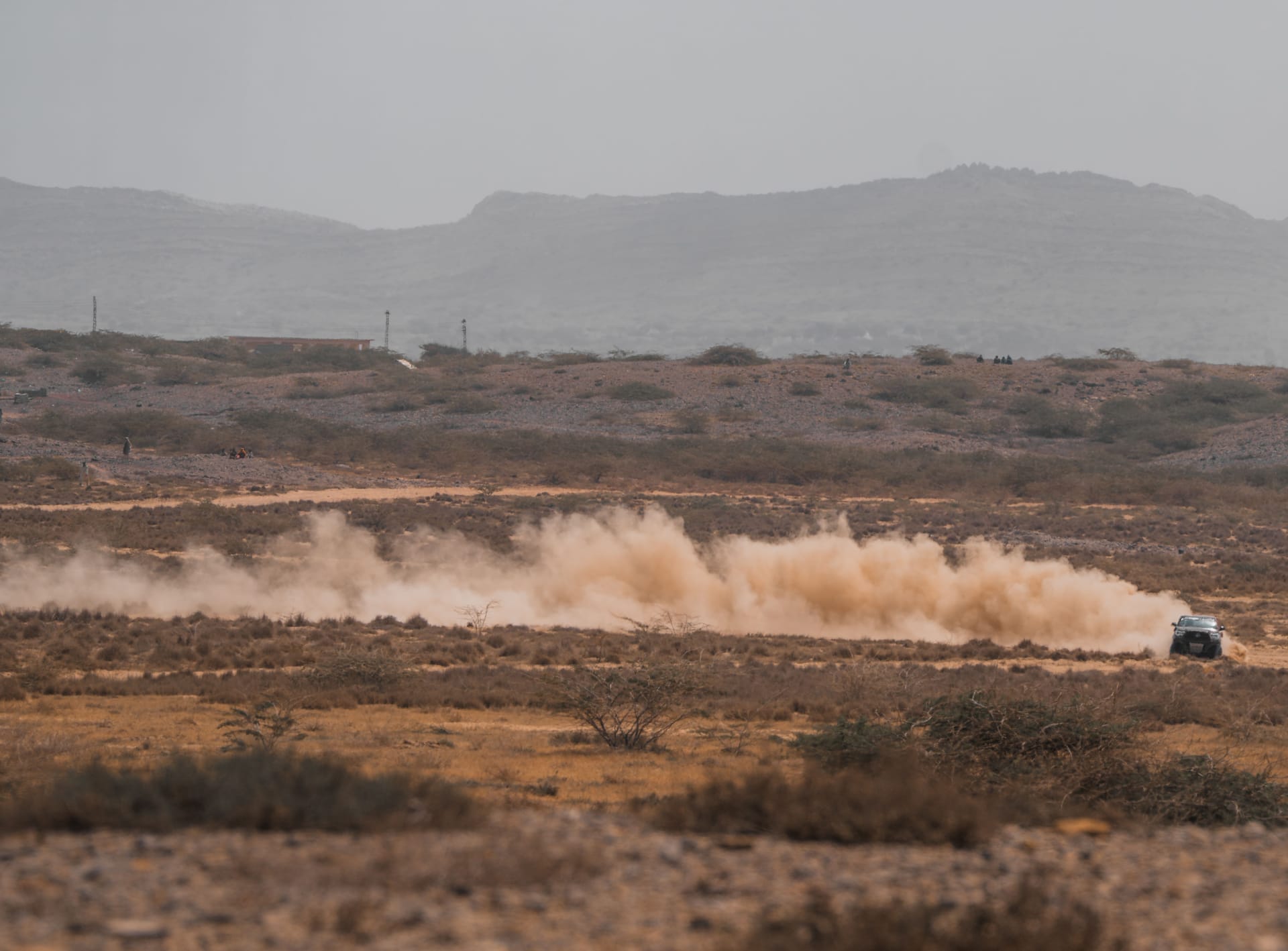
I’m writing this on 19 August, and it hasn’t rained since May. The road out to the west coast has turned the colour of cinnamon, and every truck that passes throws up a cloud you can taste at the back of your throat for an hour. This is the fifth month of the dry, and I wanted to put down what it actually looks like from here, from Rote Ndao, while I’m sitting in it. Not the calendar version. The version where you sweep the same red film off the desk twice a day and stop bothering by lunch.
Rote sits at the far southern edge of Indonesia, a 1,227 square kilometre island in East Nusa Tenggara, in the Lesser Sunda chain, with the Savu Sea to the north and the Timor Sea to the south, about 500 kilometres northwest of the Australian coast.1 That position matters more than any brochure lets on. We’re on the dry, wind-scoured tail of the archipelago, closer in feel to northern Australia than to green, wet Bali. When the dry season arrives here, it commits.
What five months without rain does to the place
The first thing you notice is the light. It goes hard and flat and very bright, and it stays that way from about seven in the morning until it drops fast around six. The hills that were emerald in February are now the pale straw of standing dead grass, and the low limestone the whole island is built on shows through everywhere the soil has thinned out.2 Rote is young rock, one of the newest islands thrown up where the Australian plate grinds under the Banda arc, so the ground here is porous marine sediment that drinks water and gives it back grudgingly.2
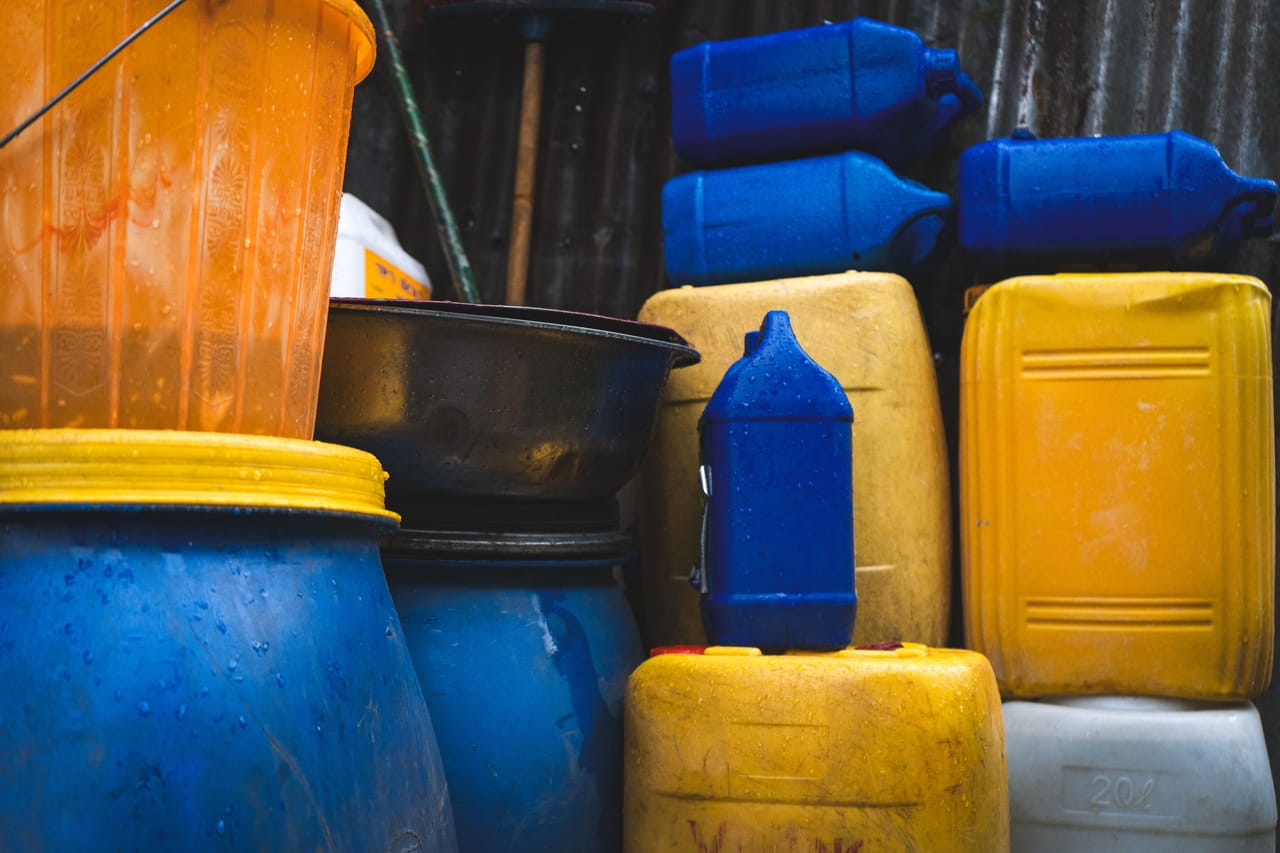
That geology is why the dry bites the way it does. Wells that ran full in April are dropping. In the villages inland from Nemberala you’ll see jerry cans stacked by the roadside waiting on the water truck, and households that ran a garden through the wet let it go brown on purpose to save what’s in the tank. Nobody panics about it. It’s a rhythm people have kept for generations, and you learn to keep it too. You fill containers when the pressure is good. You shower shorter. You notice, quietly, how much water a Western habit assumes.
The heat is honest rather than cruel. Daytime sits high, but the southeast trade wind runs almost every afternoon and takes the edge off. That wind is the defining fact of the dry season here. It’s what dries the seaweed racks, cools the tin-roofed houses, and, on the south coast, keeps the sea a churning mess most of the season. If you’ve read the two-line version elsewhere, the contrast between this and the wet is covered properly in the account of a week of ordinary life on Rote, and I’m not going to relitigate it here. This dispatch stays inside the dry.
The working day, from inside the dust

If you’re here to live and work, the dry season is the easy half to get things done in, with one caveat that catches everyone.
The good part: clear skies mean the power holds better and the roads let you actually go places. I’ve had stretches of ten, twelve days where the grid behaved and the day ran start to finish without a drop. When it doesn’t hold, it’s usually the afternoon, and by now I plan the calls that matter for the morning window and treat anything after three as optional. Anyone settling in for a long stint should get their head around power cuts and backup internet before the first client call goes dark, because the fix is a habit, not a gadget.
The caveat is the wind and the dust getting into everything. Laptop fans clog. A screen left out collects a haze by evening. I keep the machine in a drybag when it’s not in use and blow the vents out every week, and I’ve watched more than one newcomer learn that lesson through a fan that started screaming in month two. If you’re weighing whether the island works for remote work at all, the practical side of setting up to work from here is worth reading before you commit a work contract to a place with one ferry a day.
Connectivity, for the record, has been steady this dry. Signal is best in the morning, softens when the whole coast piles onto it after dark. I write in the early hours and video-call before ten, and that single scheduling choice has done more for my work here than any amount of hardware.
The island gets loud with birds
Here’s something the dry season gives you that nothing else does. With the vegetation thinned out and the mornings still, the birdlife is suddenly everywhere and impossible to miss. Rote has real biodiversity for a small island, with more than 3,300 recorded species observations logged around it, and the ones you actually see and hear in the dry are the small resident birds.3 The brown honeyeater works the flowering trees, the little sunbird-sized flowerpeckers move through the scrub, silvereyes come in loose flocks, and the tree sparrows have moved into every village eave the way they have across half of Asia.3
I mention this because it’s the part of the dry nobody warns you about, in a good way. Six in the morning, coffee, the wind not up yet, and the garden is genuinely noisy with things you never noticed in the green months when they had cover. If you’re the kind of long-stayer who ends up caring about where you live rather than just passing through, this is when the island stops being scenery and starts being a place with its own residents. Some of that texture, the ceremonial and everyday side of it, sits closer to Rotenese culture, where the dry season shows up as a calendar of its own.
Slow surfing in a flat season
I have to be straight about the water, because this is where people arrive with the wrong picture. The dry season on the south coast, right through the middle of it, is often flat or blown out. The trade wind that makes the land pleasant makes the sea messy, and the swells that light up the reefs are inconsistent and come on their own schedule.
This is exactly why the honest angle here is slow surfing and not surf tourism. If you fly in for ten days hoping to score, the odds are against you, and the lineup crowds fast the moment anything does break. The people who actually get the world-class days are the ones who’ve been here for months, watching, ready to drop everything when the wind swings offshore and the swell finally lines up on one of the Rote surf spots. Patience is the whole game. I’ve watched a perfect week arrive in what should have been a dead stretch, entirely unannounced, and the only people out were the ones who live here and had nothing to book and nowhere to be.
What the dry does to how people earn
The season isn’t just backdrop, it decides how the island makes money. Seaweed farming, one of the real livelihoods along these coasts, takes a hit in the dry, with the season shown to have negative impacts on production, so households that depend on it lean harder on their second and third sources of income to get through.4 You feel that in the daily rhythm. The coast is busy with drying racks, but the mood is one of managing a lean stretch rather than a boom.
It’s worth understanding this if you’re thinking about the island in any long-term way, because it shapes prices, availability of help, and the general tempo of a place that runs on more than tourism. The economics of a settled stay, month to month, sit better with the cost of living on Rote than anything I can fit into a weather dispatch.
What I’d tell someone deciding on their months
This isn’t a method for picking a season, and the month-by-month reasoning belongs with a long stay on Rote rather than here. This is just what this particular dry season taught me, one year, on the ground.
If you want the easy version of the island, where the roads cooperate and the power mostly holds and you can actually build a working routine, the deep dry from June through September delivers it. What you trade away is the water margin and, most of the time, the surf. If you come now, come knowing that the sea will probably tease you and the tap will make you think about every litre. What you get back is a version of Rote that’s clear-eyed, wind-swept, loud with birds at dawn, and completely legible once you stop expecting it to be lush. I got here green about all of this a few years ago. I’d take this straw-coloured, dusty, honest stretch over the postcard one now, and this is the first of these notes I mean to keep sending as the season turns.
Sources
Footnotes
-
Rote Island — Wikipedia. en.wikipedia.org ↩
-
Geologia dell’area di Rote Island (Macrostrat). macrostrat.org ↩ ↩2
-
Livelihood aspects of seaweed farming in Rote Island, … sciencedirect.com ↩